
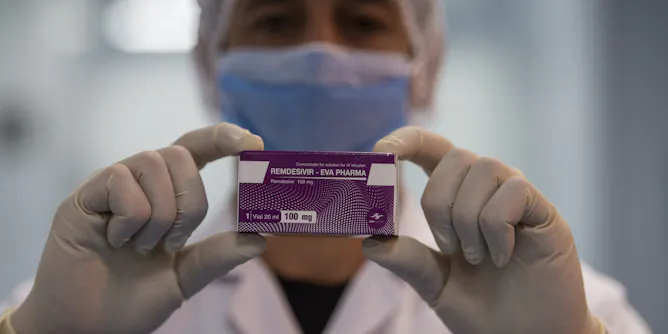
Treatment nationalism is a threat to us all.
Articles on Drug development
Displaying 61 - 80 of 123 articles
It usually takes 10 years for a new vaccine to complete clinical trials, but we’ve been promised a COVID-19 vaccine in 12 to 18 months. Even if such fast-tracked development is possible, is it wise?
Drug repurposing represents our only hope for the treatment of COVID-19 in the short term. But quick and rigorous trials need to be run to provide evidence these drugs work.
Half of all patients who died of COVID-19 in Wuhan had a secondary infection.
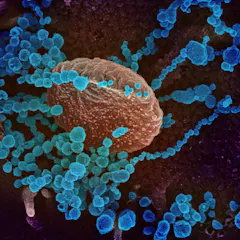
If the coronavirus is a lock, a drug to defeat it is a key that needs to fit just right.
Canada is investing millions to develop COVID-19 treatments, but there are no safeguards to ensure that those vaccines and medications will be affordable and accessible to the people who need them.
Scientists are pursuing several different avenues to develop a vaccine for the novel coronavirus, but the process could take years.
Bioinformatics can be applied to a range of problems, such as understanding the genome sequence of organisms or coming up with new drugs.
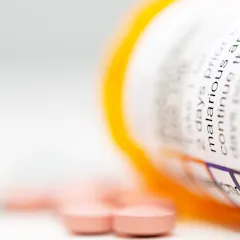
The aim is to discover, develop and facilitate delivery of anti-malarial medicines to help tackle the burden of malaria in endemic countries and support malaria eradication.

Destruction of rainforests through wildfires or deforestation may harm human health. As these forests disappear, we may be losing precious medicinal plants that hold treatments for various diseases.

The antibiotic crisis must be viewed through a different lens.

Box jellyfish stings are excruciating and occasionally deadly. We have identified a common, cheap drug that is already on the market and which could be a treatment candidate with further development.

Techniques from topology can help us understand DNA and improve drug development.

Developing drugs is typically the domain of large pharmaceutical companies. But here is an example of drug development for a rare pediatric brain cancer that was done in a university setting.
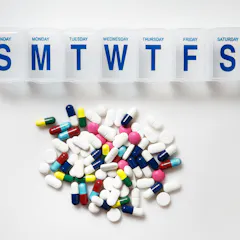
Drug trials should include people with more than one disease.
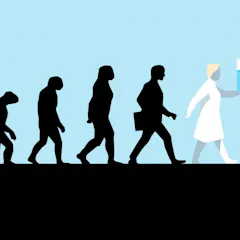
Nature doesn’t always make the things we need so three Nobel Prize winners figured out how to fast-track evolution in the lab to create medicines, biofuels and industrial chemicals for modern life.
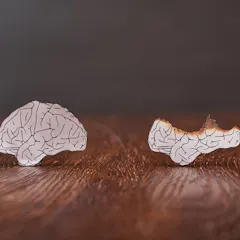
Trials for new Alzheimer’s drugs have been failing a lot, lately. But it may be premature to abandon these drugs altogether.
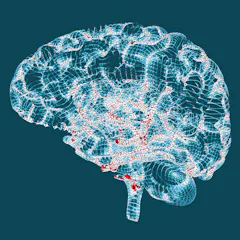
Alzheimer’s drug development tends to focus on protein aggregates in the brain. Perhaps that’s why they’ve all failed.
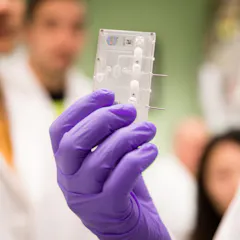
Researchers who’ve created a kidney-on-a-chip explain why these kinds of devices are an improvement over traditional ways to test new drugs.

Thousands of animals are used for heart drug tests each year – but research shows that in silico developments are more accurate.
Top contributors
-

Prof. Institute for Molecular Bioscience, The University of Queensland
-
Associate Dean for Research, Charles Walgreen Jr. Professor of Pharmacy and Pharmaceutical Sciences, University of Michigan
-
Associate Professor of Biostatistics, Murdoch Children's Research Institute
-
Associate professor, Department of Family and Community Medicine, University of Toronto; York University, Canada; University of Sydney
-
Professor of Pharmaceutical Sciences, University of Colorado Anschutz
-
Associate Professor of Biological Sciences, Purdue University
-
Assistant Professor of Biochemistry and Molecular Genetics, University of Colorado Anschutz
-
Biostatistician, The University of Melbourne
-
Professor, UNSW
-
Professor of Neuroscience, Lancaster University
-
Senior Lecturer Biostatistics and Data Management, The University of Queensland
-
Director of Natural Product Discovery Core; Assistant Professor of Medicinal Chemistry, University of Michigan
-
Associate Professor of History, University of Wollongong
-
Dean of the College of Science, Professor of Biochemistry, Rochester Institute of Technology
-
Assistant Professor of Biomedical Sciences, UMass Chan Medical School