
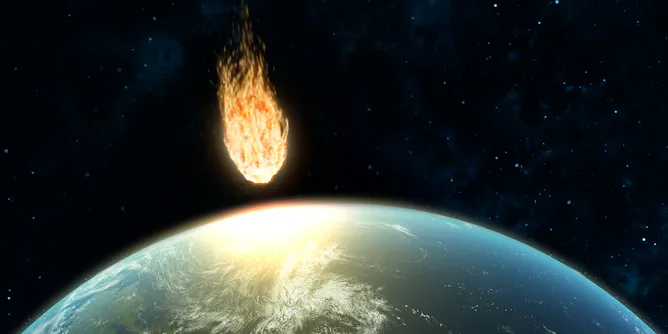
More evidence that the asteroid hit on Earth that marked the end of the dinosaurs could have triggered a deadly increase in volcanic activity.
Articles on Dinosaurs
Displaying 181 - 200 of 312 articles
Five major finds this year adds to our understanding of evolution and ancient life history.
A new type of Archaeopteryx fossil helps build the case for this creature being called ‘the first bird’.

Palaeontological finds offer a compelling and profound way to think about our place in nature.
Twenty-two years ago, President Clinton established Grand Staircase-Escalante National Monument for paleontological conservation. As the Trump administration shrinks its borders, that mission is jeopardized.
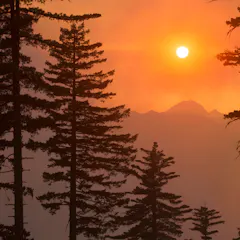
What can we expect from our future climate after looking at the ‘Hothouse Earths’ of the past?
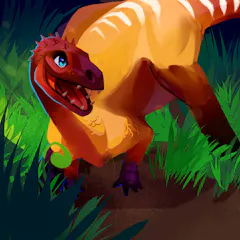
We know of about 900 valid dinosaur species that existed. ‘Valid’ means scientists know the dinosaur from enough of the skeleton bones to feel pretty sure that it differs from other known dinosaurs.
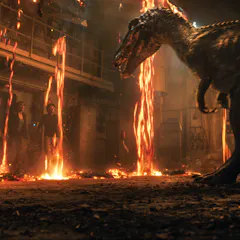
The latest in the Jurassic World film franchise sees dinosaurs pitched as future weapons. So who’s behind that monster idea?

The genetically modified dinosaurs are back in Jurassic World: Fallen Kingdom. Fantastic entertainment, and the science isn’t too bad, considering.
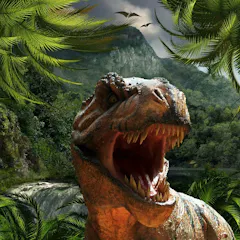
Jurassic Park’s dinosaur DNA premise is not so simple in real life
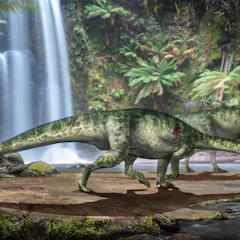
New research uses pathology in dinosaur bones to look at predator-prey interactions in the fossil record.
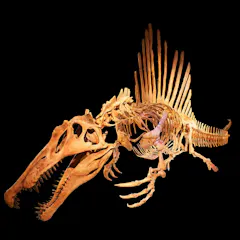
You might recognise Spinosaurus, from Jurassic Park 3, but did you realise it is 100% an African dinosaur?
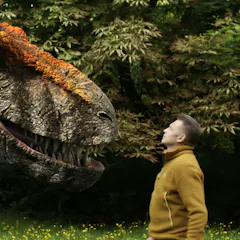
A consultant on Chris Packham’s latest dinosaur show about Tyrannosaurus Rex explains how they kept it entertaining but accurate.
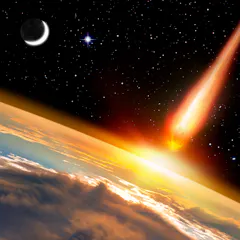
The mass extinction of the dinosaurs was down to the location of the asteroid’s impact and the kind of rocks it landed on.
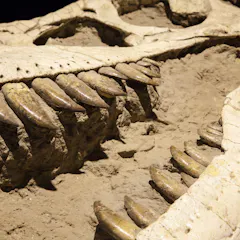
Scientists can be overly thirsty for dinosaur blood.
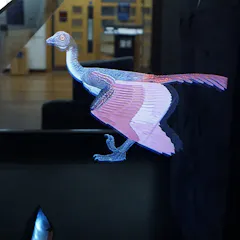
One animator combined his skills with paleontological evidence to breathe movement into a dinosaur fossil to eye-catching effect.
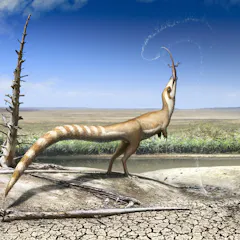
Reconstructing the colours of the feathered Sinosauropteryx gives hints about its habitat and lifestyle.
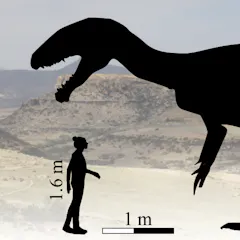
Until this discovery, theropod dinosaurs were thought to be considerably smaller, at three to five metres in body length, during the Early Jurassic.
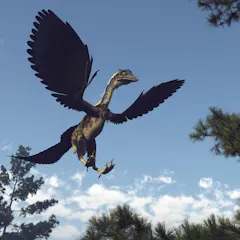
New research shows how dinosaurs suppressed their teeth and grew beaks, and then back-shifted this process from adult to embryo stage.
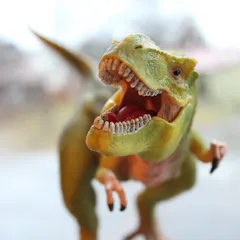
The footprints of dinosaurs can tell a lot about how they moved about many millions of years ago.
Top contributors
-

Professor of Vertebrate Palaeontology, University of Bristol
-
Chancellor's Fellow in Vertebrate Palaeontology, University of Edinburgh
-
Emeritus Strategic Professor in Palaeontology, Flinders University
-
Senior Research Scientist, South Australian Museum; Flinders University
-
Senior Lecturer in Paleontology and Evolutionary Biology, Life Sciences at the University of Bath, University of Bath
-
Associate professor in Vertebrate Palaeontology, University of the Witwatersrand
-
Research Associate, School of Earth and Planetary Sciences, Curtin University
-
Senior lecturer, University of New England
-
Research Associate, African Centre for Coastal Palaeoscience, Nelson Mandela University
-
Professor, Palaeobiology, University College Cork
-
Palaeontologist, Earth Science Faculty, University of New England
-
PhD; Associate Professor, School of Biological Sciences, The University of Queensland
-
Palaeontologist, University of Southampton
-
Professor of Evolutionary Palaeobiology at the Milner Centre for Evolution, University of Bath
-
Researcher and curator, Jurassica Museum