
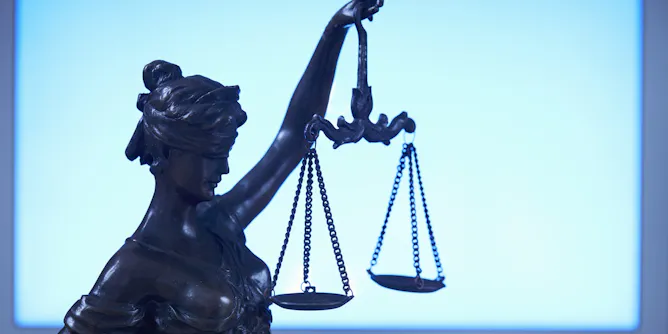
A cornerstone of the First Step Act, passed with bipartisan support, is the PATTERN risk-assessment tool.
Articles on Department of Justice
Displaying 61 - 80 of 89 articles
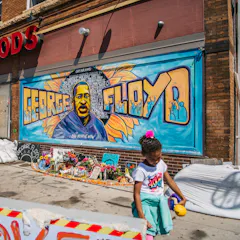
Minneapolis residents voted 56% to 44% against an amendment that would have transformed the city’s police. The reasons they did so are complicated, an expert writes.
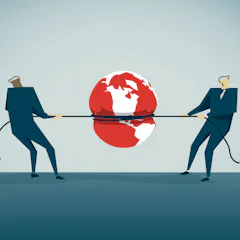
The US is wrestling with the rest of the world for control of the internet. The ‘net as we know it could be a victim of the struggle.
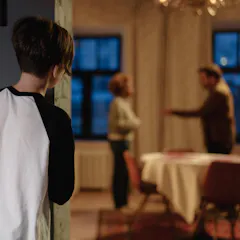
There’s a need to better understand coercive control as an important component of domestic violence when it comes to making decisions around co-parenting.
It’s the biggest monopolisation case since a 1998 lawsuit against Microsoft. But it may be several years before a settlement of any kind is reached.
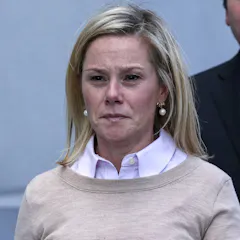
The Supreme Court has overturned a series of corruption convictions of public officials by federal prosecutors. Can public corruption be successfully prosecuted? Yes, by the states.
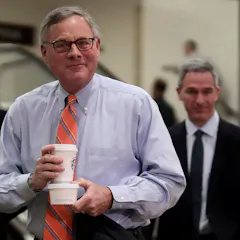
Did members of Congress illegally sell stocks after getting inside information about the pandemic from federal officials? A former lawyer for the House says proving such cases is very difficult.
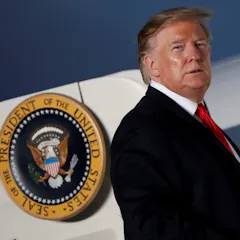
Those who want President Trump out of office should forget about the 25th Amendment; it won’t work as they hope or believe. The amendment is a complex law that – by design – is very hard to use.
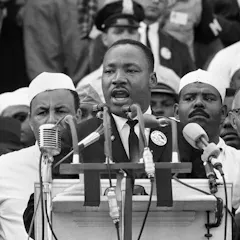
Publication was justified of information from the FBI that Martin Luther King Jr. witnessed and celebrated a woman’s rape, writes a historian, who warns the FBI had long wanted to destroy King.
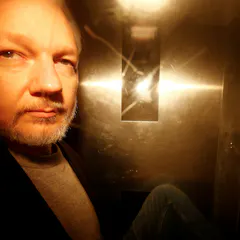
Julian Assange’s indictment under the Espionage Act, a sweeping law with heavy penalties for unauthorized receiving or disclosing of classified information, poses a threat to press freedom.

Will the public ever see a report from Robert Mueller’s investigation of possible collusion between the Trump campaign and Russia? Maybe not. There are big legal hurdles to making it public.
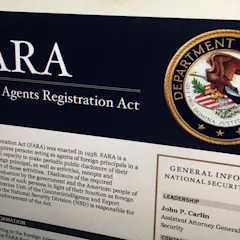
The initial aim of the 1937 Foreign Agents Registration Act was long forgotten: the prosecution of Nazis for interfering with American democracy. But that law is startlingly relevant to the US now.
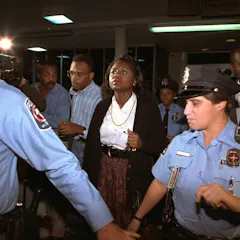
Anita Hill charged in 1991 that Supreme Court nominee Clarence Thomas sexually harassed her. He was still confirmed. Now, another nominee faces sexual assault allegations. Have times changed?
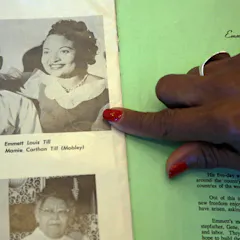
A historian explains the significance of the Emmett Till murder for the civil rights movement.
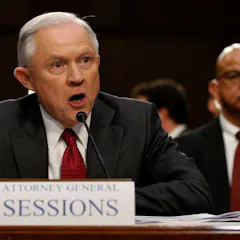
Laws that limit presidential power won’t enforce themselves – Congress must act.
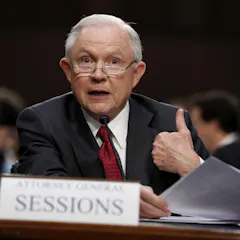
Did the attorney general help create a false story on why Comey was fired? Sessions’ testimony to Congress provides no answers.
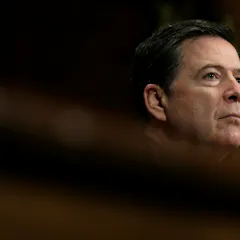
An FBI historian tells stories from the agency’s ups and downs over 109 years and four dismissed directors.
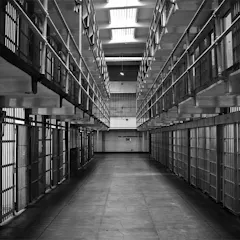
The White House is pushing for more private prisons. But do the industry’s promised benefits hold up to scrutiny?
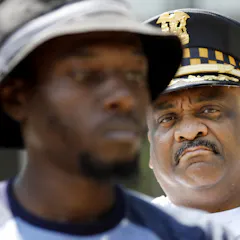
The DOJ has found excessive use of force in the Baltimore, Ferguson and Chicago police departments. Could a solution be found by seeing the police as victims of violence as well?

At a time when politicians are struggling to gain the public’s trust, Janet Reno’s legacy as an honest, humble public servant may serve as an example moving forward from the election.
Top contributors
-

President, Dickinson College
-
Professor of Criminal Law, Immigration, and Race and Law, University of California, Davis
-
Professor of Law and Director of the Center for Professional Ethics, Case Western Reserve University
-
William Nelson Cromwell Professor of Jurisprudence and Political Science, Amherst College
-
Professor of law, Washington University in St. Louis
-
Associate Professor of Political Science, Westminster College
-
Professor of law and ethics, Georgia State University
-
Distinguished Fellow in Law and Government, Dickinson Law, Penn State
-
Associate Professor of Law, Arizona State University
-
Professor of History, Penn State
-
Associate Professor of Political Science, College of Charleston
-
Co-Director, National Security and Civil Rights Program, Loyola University Chicago
-
David W. Ichel Distinguished Professor of Law, Duke University; Institute for Humane Studies
-
Distinguished Practitioner in Residence, Loyola University Chicago
-
Professor of Law, Hofstra University