
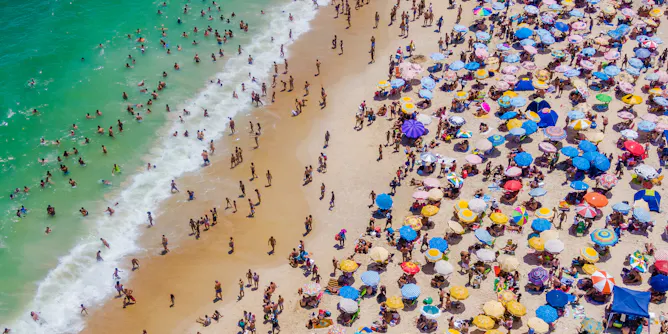
Sandy beaches are densely populated and occupy more than one third of the global coastline.
Articles on Coastlines
Displaying 41 - 54 of 54 articles
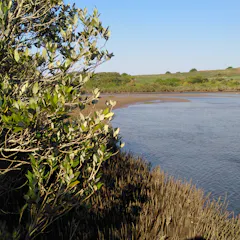
Scientists are building up a picture of how much carbon can be taken out of the atmosphere and stored in coastal ecosystems.
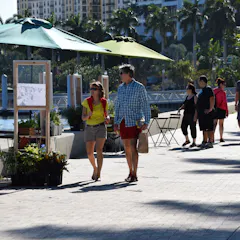
Research into public health benefits of integrating nature into cities has focused on green spaces. New studies suggest water features are just as useful and can piggyback on other infrastructure goals.
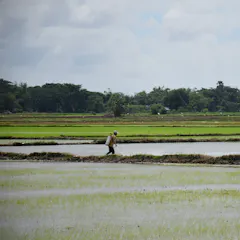
If nothing is done now, seas could rise a metre by 2100, and four metres by 2300.
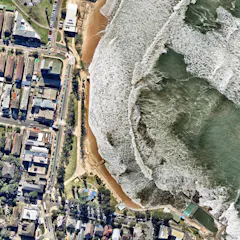
The IPCC report says extreme sea level events that used to hit once a century will occur once a year in many places by 2050. This situation is inevitable, even if emissions are dramatically curbed.

Corals, mangroves and seagrass habitats have been affected by extreme weather events, and some may never recover.
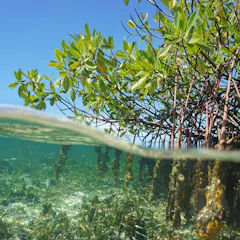
New research makes the economic case for mangroves.
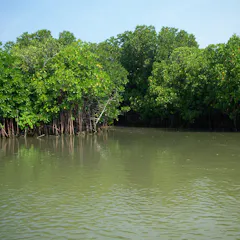
Mangrove forests along the world’s tropical and subtropical coasts store enormous quantities of ‘blue’ carbon – especially in river delta zones, where soil builds up quickly.
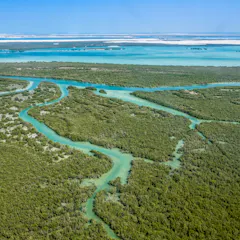
Mangrove forests grow in the tidal lagoons of tropical coastlines and they could actually benefit from climate change. Here’s what that means for us.
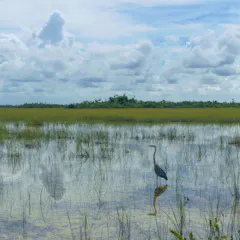
Coastal development is destroying marshes, mangroves and other wetlands that provide valuable protection from hurricanes and storms. Research shows these benefits can be worth millions of dollars.
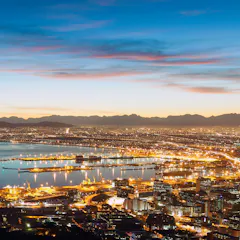
Without action about 50 African countries and surrounding islands will be affected by rising sea levels.
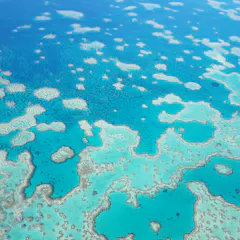
Coral bleaching on the Great Barrier Reef could lead to increased vulnerability of Queensland coastal cities and towns, and not only through its impacts on the tourism industry.

Enhanced data collection capabilities will ensure that information collected from the coastline will be seamless.
Sea level rise and shoreline retreat are the two key factors predicted to cause an increase in flood risk in the future…
Top contributors
-

Professor, The University of Queensland
-
AXA Chair in Coastal Resilience & Research Professor, University of California, Santa Cruz
-
Professor of Physical Geography, University of the Witwatersrand
-
Architecte, Labex AE&CC, Ecole Nationale Supérieure d’Architecture de Grenoble, Conservatoire national des arts et métiers (CNAM)
-
Professor of Oceanography and Coastal Science and Executive Director, Louisiana Sea Grant, Louisiana State University
-
CSIRO Research Group Leader Ecosystem Modelling and Risk Assessment, CSIRO
-
Enterprise Fellow, The University of Melbourne
-
Senior Lecturer in Tourism Management, University of Lancashire
-
Senior Principal Research Scientist, CSIRO
-
Centre for Coastal and Marine Resources Studies IPB
-
Lecturer in Sustainable Futures, University of St Andrews
-
Professor of Physical Oceanography, Institute for Marine and Antarctic Studies, University of Tasmania
-
Communication Manager - CSIRO Oceans and Atmosphere, CSIRO
-
Chief of Natural Sciences, Bangkok office, Unesco
-
Professor of Environmental Ethics and Philosophy, Oregon State University