

The summer forecast from the Bureau of Meteorology predicts a hot, dry summer.
Articles on Bureau of Meteorology
Displaying 41 - 60 of 87 articles
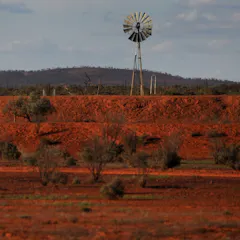
After the warmest month on record, it looks like Australia will have an El Niño event – which means the drought is likely to continue.
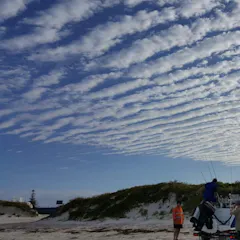
Clouds formed by rising warm air currents are called ‘convection clouds’. Because of all the rising air coming up, these clouds can be bumpy on top, sometimes looking like cotton wool or cauliflower.
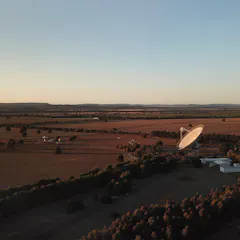
A new outlook from the Bureau of Meteorology forecasts a dry, warm spring – and not the sustained rain we need.

The “red sky” proverb has endured across cultures for centuries, and modern science can explain why this is so.
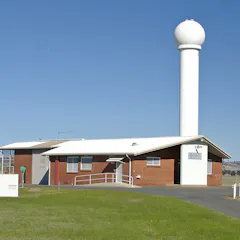
A government proposal for weather radars to share frequencies with telecommunications providers has prompted fears for the accuracy of the Bureau of Meteorology’s weather radar.
Winter is here, and many farmers are still waiting on their ‘autumn break’ of heavy rain. Unfortunately, it looks like it will be a dry, warm winter – although the snow season will likely be good.
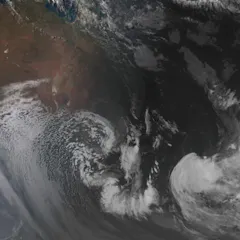
Rapidly dropping temperatures, rain and wind are hitting south-eastern Australia, due to a perfect combination of warm seas and low-pressure systems.
Record-breaking April heat is likely to continue for at least another month.
The Bureau of Meteorology’s climate outlook for April to June is ‘neutral’, but that doesn’t mean we’re flying blind, weather-wise.
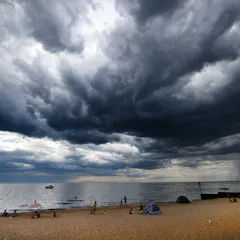
Last year saw plenty of warm weather around the country, but other notable events included dry months in the southeast, some very cold winter nights, and record-warm dry season days in the north.
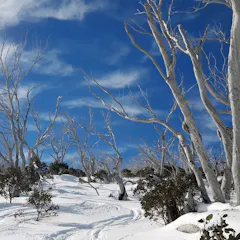
Three years ago The Australian newspaper launched a broadside at the Bureau of Meteorology. But when it did it again this week, it seemed to get less traction from the top echelons of government.
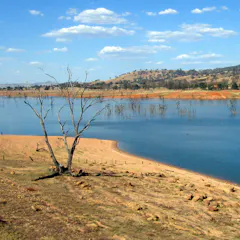
Australia is not investing enough in climate monitoring capabilities, potentially leaving farmers and other vulnerable communities high and dry when trying to access crucial weather information.

The weather segment at the end of news bulletins has stuck to a familiar format for more than 50 years. But the question of who should actually present the weather has been in a constant state of flux.
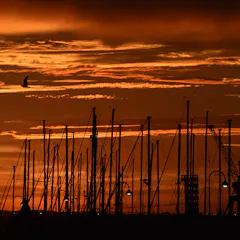
Climate Council CEO Amanda McKenzie told Q&A that heatwaves were ‘worsening’ in Australia and ‘hot days’ had doubled in the last 50 years. Let’s take a look at the evidence.

Response from a spokesperson from the Climate Council in relation to an article on CEO Amanda McKenzie’s claims about worsening heatwaves and increasing numbers of hot days in Australia.
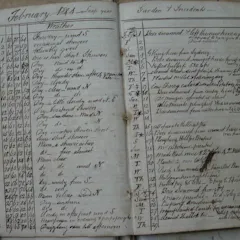
High-quality climate records only go back to the start of the 20th century. But using handwritten letters, journals and tables, researchers have access to data going back to the 18th century.

Cape Grim’s air pollution station has recorded some of the biggest changes to the world’s atmosphere over the past 40 years.
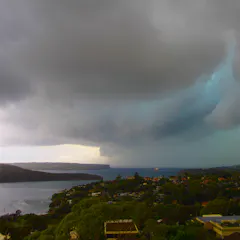
Severe storms bring a complex mixture of weather conditions, often in a very localised area. This unpredictability can make them very damaging, and very hard to study too.

The new State of the Climate report outlines Australia’s rising temperatures and its regional rainfall declines - and the trends that are locked in for the coming few decades due to greenhouse emissions.
Top contributors
-

Adjunct Professor (Practice) in Climate Science, School of Earth, Atmosphere and Environment, Monash University
-
Professor emeritus, School of Earth, Atmosphere and Environment, Monash University
-
Climate Scientist, Australian Bureau of Meteorology
-
Climate Scientist, Australian Bureau of Meteorology
-
ARC Future Fellow and Associate Professor in Climate Science, ARC Centre of Excellence for 21st Century Weather, The University of Melbourne
-
Senior Climatologist, Australian Bureau of Meteorology
-
Climatologist, Australian Bureau of Meteorology
-
Senior Climatologist, Australian Bureau of Meteorology
-
Adjunct Professor of Environmental Geography, CQUniversity Australia
-
Climatologist, Australian Bureau of Meteorology
-
ARC DECRA Fellow, UNSW
-
Climate scientist, Australian Bureau of Meteorology
-
Senior Meteorologist, Australian Bureau of Meteorology
-
Research Group Leader, CSIRO
-
Chief Research Scientist, CSIRO Environment; Executive Director, Global Carbon Project, CSIRO