
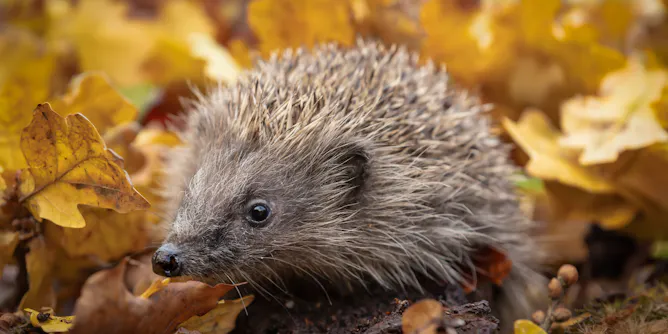
By simply doing less, we can promote habitat complexity and help increase species diversity.
Articles on Autumn
Displaying 1 - 20 of 38 articles
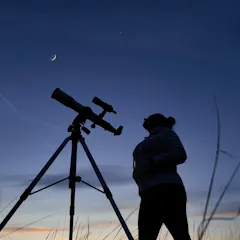
Love the idea of exploring the night sky but not sure where to start? Read this handy guide to getting started – and get ready to embrace autumn’s darker nights.

As the clocks go back and daylight dwindles, our sleep, mood and appetite can change. Here’s what science reveals about the winter slump.
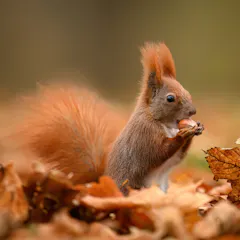
Some animals change sex altogether in the autumn.
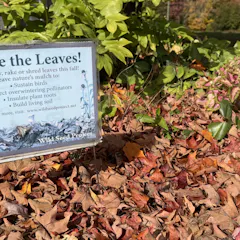
Fallen leaves provide essential winter habitat for native pollinators and provide natural mulch for the soil. If you have to clear some leaves, don’t get rid of them entirely: Move them out of sight.

Halloween originated in Ireland, but the Irish used to carve turnips – not pumpkins.
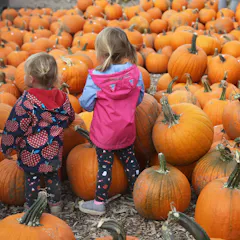
US farmers grow over 1 billion pounds of pumpkin each year.

Is it equally detrimental to us all – or do some groups of people suffer more than others?

Why is it so warm across southern Australia this autumn? Where’s the rain? ‘Blocking’ high pressure systems are to blame, but the real culprit is climate change.
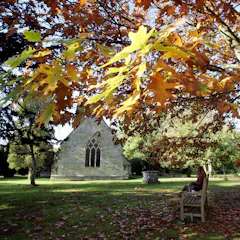
Plus, how trees can be tricked into ‘thinking’ it is another season.

With the clocks going back an hour this weekend most of us are looking forward to an extra hour in bed. But will we actually get more sleep?

Months of wet weather have created the perfect conditions for a fungal bonanza.

The leaves of evergreen species acquire carbon over the long term and improve nutrient conservation, whereas short-lived leaves favour rapid carbon acquisition.
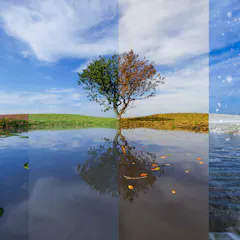
People’s moods and decisions can be affected by changes in weather and seasons. Research shows that relatedly, our moral values can also be influenced by seasonal changes.

Relative to the long-term average, this autumn has been even hotter than summer.
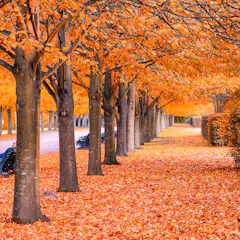
Autumn is arriving later in the year – climate change is probably to blame.

It’s mushroom season in many parts of Australia. Here’s what you need to know before you go foraging.

Climate change is modifying the timing of recurrent life-cycle events with critical consequences on ecological and economic levels.
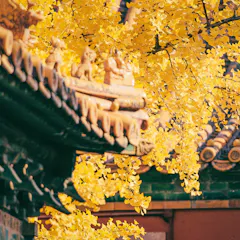
Maidenhair trees, Ginkgo biloba, can live for over 1,000 years and grow 35m tall. While they’re beautiful to look at, they’re also notorious for their vomit-smelling seeds.
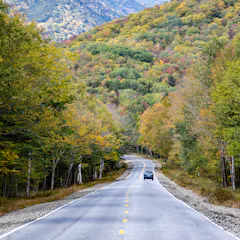
Warm autumn weather has produced dull leaf colors across the eastern US this year, but climate change isn’t the only way that humans have altered trees’ fall displays.
Top contributors
-

Senior Research Associate, School of Agriculture, Food and Ecosystem Sciences, The University of Melbourne
-
Emeritus Professor of Ecology, University of Salford
-
Professor, Département des Sciences Fondamentales, Université du Québec à Chicoutimi (UQAC)
-
Professor of Anatomy, Lancaster University
-
Research professor, Université du Québec à Chicoutimi (UQAC)
-
Senior Lecturer in Environmental Sciences, University of Manchester
-
Emeritus Professor, Fenner School of Environment & Society, Australian National University
-
Professor of Biology, Bowdoin College
-
Senior Lecturer in Physics, Nottingham Trent University
-
Research Assistant Professor in Oral and Craniofacial Sciences, University of Pittsburgh
-
Professor of Remote Sensing in Geography and Environmental Science, University of Southampton
-
Reader in Exercise Psychology, University of Essex
-
Professor of Forest Ecology and Physiology, Penn State
-
Senior Lecturer in Sports and Exercise Science, University of Essex
-
Postdoctoral research associate, University of Oxford