
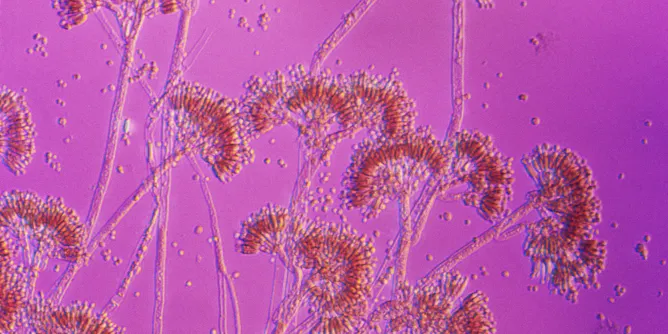
As many as 1 in 5 Americans believe they have a penicillin allergy, but just a tiny fraction actually do. In recent years, it’s gotten a lot easier to find out.
Articles on Antibiotic resistance
Displaying 21 - 40 of 229 articles

Measles is a viral infection, so antibiotics don’t treat it directly. But it weakens the immune system, leading to bacterial infections like pneumonia or ear infections, which do require antibiotics.

Antibiotic resistance has played a key role in the evolution and survival of bacteria.

Scientists have described antimicrobial resistance as an overlooked pandemic. Improving surveillance can help prevent deadly outbreaks.

Antimicrobial resistance is yet another catastrophic legacy of war, threatening human health and security for generations to come.

By analyzing the resistance genes and proteins of E. coli, researchers can optimize treatments to address both current and future antimicrobial resistance.

Personalized medicine is a promising treatment for recurrent cancer and superbugs, but it is labour-intensive and expensive, and pathways for its regulatory approval and reimbursement are complicated.
Rotifers are microscopic animals and their populations are entirely female.

There are many ways to kill microbes that cause dangerous infections. Combining genetic screening with machine learning can help researchers identify new antimicrobials.

Most infection prevention guidelines center on the hospital environment rather than the patient. But the source of antibiotic-resistant microbes is often from the patient’s own body.

Vaccination is our best tool to limit this whooping cough outbreak.
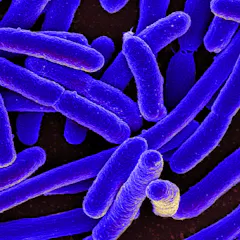
The Nobel Prize-winning Luria−Delbrück experiment showed that random mutations in bacteria can allow them to develop resistance by chance.

Chronic UTIs come back repeatedly or never fully go away despite treatment.

Keeping wounds clean and infection free has challenged people for thousands of years.

Zosurabalpin is highly effective against dangerous bacterium Crab, which can kill up to 60% of people infected with it.

The contrasting realities of antimicrobial resistance between high-income countries and low- and middle-income countries demands international co-operation to effectively fight superbugs.

Australia is one of the highest users of antibiotics in the developed world. So when do we actually need antibiotics to treat an infection? And when should we avoid them?

We’ve all heard of antibiotic resistance. The same thing is happening with other causes of infections in humans: fungi, viruses and parasites. This is making thrush and other infections hard to treat.

Developing new antibiotics is important in the fight against antibiotic resistance. But we also need to use the antibiotics we already have much more wisely – GPs play a major role in this.
From the frontline battle against antibiotic resistance in Nigeria, to the techniques being used to find new antibiotics. Listen to The Conversation Weekly podcast.
Top contributors
-

Senior Lecturer, Medical Microbiology, University of Westminster
-
Senior Research Fellow, School of Medicine, The University of Western Australia
-
Professor of Biocchemistry and Biomedical Sciences, McMaster University
-
Dean of the College of Science, Professor of Biochemistry, Rochester Institute of Technology
-
Professor, The University of Queensland
-
Senior Lecturer in Microbiology, Aston University
-
Professor of Infectious Diseases, Monash University
-
Director Of Medicine, The Maitland and Kurri Kurri Hospital, University of Newcastle
-
Visiting Research Fellow, History of Biomedical Sciences, University of Cambridge
-
Professor of Public Health, Bond University
-
Research Fellow in Microbiology, University of Glasgow
-
Professor, The Peter Doherty Institute for Infection and Immunity
-
Clinical Lecturer and GP, University of Oxford
-
South African Research Chair in Antibiotic Resistance and Professor in Pharmaceutical Sciences, University of KwaZulu-Natal
-
Professor at ANU Medical School; Senior Staff Specialist Infectious Diseases; General Physician, Australian National University