

Children and teens can become vulnerable when repeatedly chatting to artificial intelligence. Australia’s existing safety measures don’t address this.
Articles on AI chatbots
Displaying 1 - 20 of 74 articles

New research shows travellers are willing to hand over control to AI if it provides accurate and consistent recommendations.
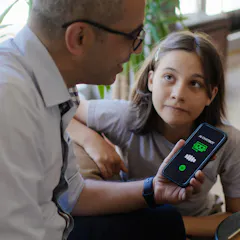
Children and teens often turn to artificial intelligence for advice on sensitive topics. But chatbots are not a substitute for human support.

Can AI-human connections ever meet the psychological criteria of attachment – the relationships that hold people’s lives together?
People might feel more comfortable making mistakes if they’re interacting with AI chatbots. But they will miss the nuances that come from conversing with real people.

Ideally, experts should guide this debate. Unfortunately, they disagree too.
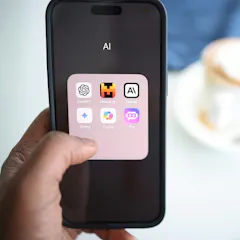
Beyond technical fluency, Canadian students need judgment to decide how to use AI and when it should not be used at all.

Chatbots are becoming commonplace in teens’ lives, but these tools were never developed or validated for mental health support.

It’s almost impossible to get an online complaint resolved. Enter the chatbot.

As more people turn to chatbots for support, new research is exploring a potential role for AI in spotting early signs of depression.

Some people rely on AI romantic companions for emotional support or private sexual exploration. Some partners experience this as betrayal.
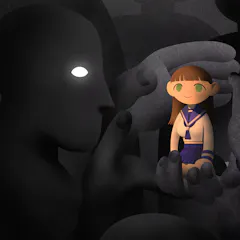
According to one study, 75% of respondents believe chatbots are conscious.

The industry is rife with AI non-events that were wildly promoted and highly anticipated, but failed to deliver.

People who interacted with different AI chatbots in a study didn’t realize the bots were including veiled advertising in their replies

The idea is to catch mental health problems early, before they get worse. Here’s how it works – and the outcomes of those who’ve tried similar programs.

Some new findings show that AI has certain benefits, such as reducing barriers for students with learning disabilities. But overall, more evidence is needed to understand how AI influences learning.

The Enclosure Acts allowed fencing of common lands that villagers had used for generations. Something similar has happened in the digital space.
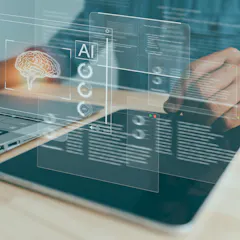
A 2025 study shows that an AI-based tutor improves learning when it prompts reasoning and is paired with peer discussion.
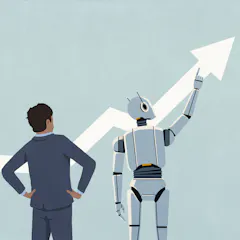
Humans and AIs have different methods of calculating words about probability like ‘maybe’ and ‘likely’ – and different interpretations about what they mean.

If companies can build systems capable of generating such imagery, they can also stop it being generated – in theory, at least.
Top contributors
-

Affiliate, Berkman Klein Center for Internet & Society, Harvard University
-
Adjunct Lecturer in Public Policy, Harvard Kennedy School; University of Toronto
-
Associate Professor of Information Science, University of Colorado Boulder
-
Senior Lecturer in Business Information Systems, University of Sydney
-
Research Assistant Professor of Industrial & Systems Engineering, University of Southern California
-
Research fellow, University of Oxford
-
PhD Candidate, Faculty of Engineering and Design, University of Auckland, Waipapa Taumata Rau
-
Lecturer in Strategy, Cambridge Judge Business School
-
PhD candidate in psychology, Université du Québec à Montréal (UQAM)
-
Senior Lecturer in Contemporary Literature, University of Birmingham
-
Professor of Electrical and Computer and Software Engineering, University of Auckland, Waipapa Taumata Rau
-
Professor of Psychiatry, University of Auckland, Waipapa Taumata Rau
-
Professor in Information and Communication Technology Policy, Concordia University
-
Research Fellow, Australian Centre for Health Engagement, Evidence and Values, University of Wollongong
-
Research Professor of Political Science and Executive Director of The Future of Free Speech, Vanderbilt University