

A new study found that, on average, infant deaths increased by more than 7% in states with laws that limited abortions.
Articles on Abortion restrictions
Displaying all articles

The uptick in anxiety, depression and other mental health issues happened after states enacted bans or restrictions on abortion.

While anti-abortion rights activists have lobbied politicians to enforce trigger laws in some states, these advocates have not faced opposition in other places.

Most Americans surveyed did not know how pregnancies are dated or how long a trimester is – but this is especially true among some groups, like people who say they support six-week abortion bans.
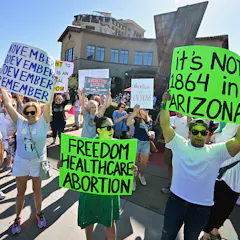
There are many outdated laws that states keep on the books, even if they aren’t used. If the Supreme Court overturns legal precedents on rights like same-sex and interracial marriage, that can change.

People of color, young people and those with low incomes tend to benefit most from telehealth abortion.
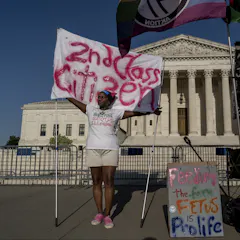
The Supreme Court’s ruling on mifepristone keeps the drug accessible for now, but its future is still in limbo.

The increase in abortion restrictions may also lead to a decline in access to emergency contraceptives.

If the ruling to reverse the use of mifepristone stands, it will not only severely restrict abortion access for women throughout the US – it will have far-reaching effects on health care.

For many who must travel to get an abortion, the financial burden of the trip can be overwhelming.
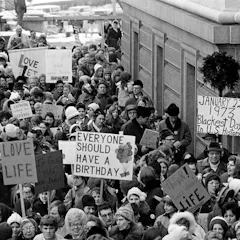
A historian explains why the pre-Roe anti-abortion movement was filled with liberal Democrats who opposed the Vietnam War and supported the expansion of the welfare state.

Women taking precautions to conceal their identities while seeking reproductive advice is akin to spies using tradecraft to avoid enemy agents.
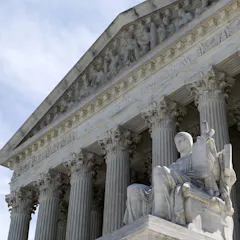
The big case is about abortion, but there are other very important issues before the Supreme Court – including gun rights and government funding for religious schools.
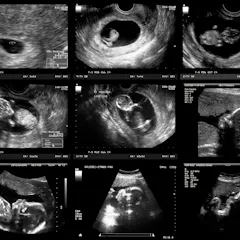
Some people seeking to influence public opinion about abortion rights claim the science is clear. It’s not, and that means abortion remains a political question – not a biological one.
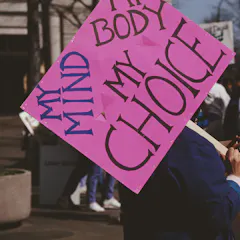
The abortion rights debate has moved on from freedom to choose – it is now about having available options, a bioethicist writes.
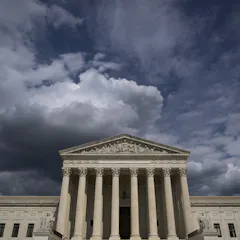
Over the past 48 years, women in the US have married later, attained higher education and joined the workforce in record numbers. Could a conservative Supreme Court turn it all back?
Top contributors
-

Associate Professor of Obstetrics, Gynecology and Gynecologic Surgery, University of California, San Francisco
-
Associate Professor of Legal Studies and Political Science, UMass Amherst
-
Professor of Information Systems, Boston University
-
Professor of Business, George Mason University
-
Assistant Professor of Medicine, University of Pennsylvania
-
Lecturer, Cyberintelligence and Cybercrime Investigations, University of the Sunshine Coast
-
Professor of History, University of West Georgia
-
Service Assistant Professor in Family Medicine, West Virginia University
-
Professor of Sociology, University of California, San Francisco
-
PhD Candidate in Public Health, University of California, San Francisco
-
Professor of Philosophy and Integrative Biology, The University of Texas at Austin
-
Associate Professor of Pediatrics, University of Cincinnati
-
Professor of Political Science, Hartwick College
-
Professor of Obstetrics, Gynecology & Reproductive Science, University of California, San Francisco
-
Associate Professor of Political Science, Miami University