
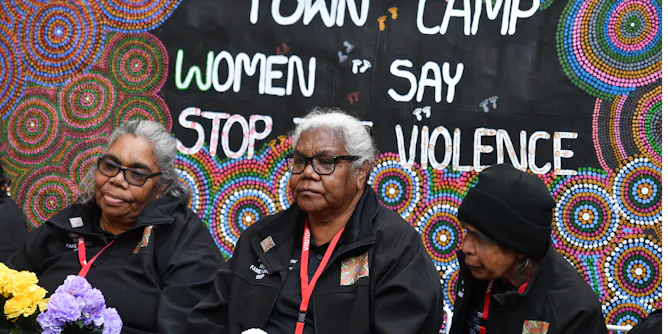
The recent Women’s Safety Summit highlighted Australia’s problem with gender-based violence. However, violence experienced by Aboriginal and Torres Strait Islander women is still not being addressed.
Articles on Aboriginal and Torres Strait Islander peoples
Displaying 261 - 280 of 320 articles
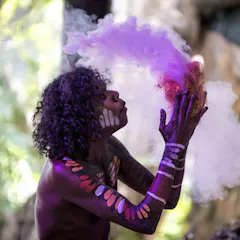
Although the pandemic has presented a range of issues and problems for our modern world, it also presents an opportunity to embrace Indigenous knowledges and technologies.
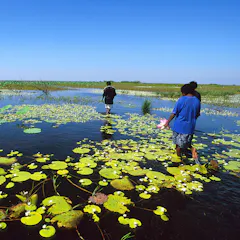
History is being repeated with the Northern Territory government finding ways to stop Aboriginal people from gaining access to water to use or trade.
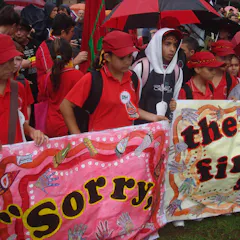
Recently, the Commonwealth government created a redress scheme to compensate Stolen Generations survivors. But more needs to be done to address the trauma.
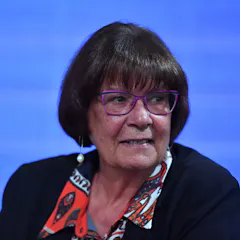
Michelle Grattan discusses the vulnerability of First Nation communities with Indigenous Advocate Pat Turner
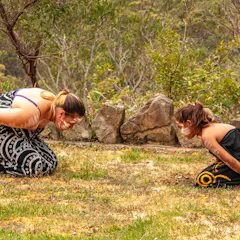
The second wave of COVID-19 in New South Wales highlights concerns for the unvaccinated and those with multiple risk factors - particularly Aboriginal and Torres Strait Islander people.
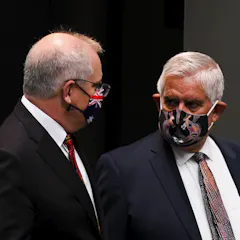
The government recently announced a new reparations scheme for Stolen Generations survivors. However, these survivors are only a fraction of the Indigenous children separated from their families.
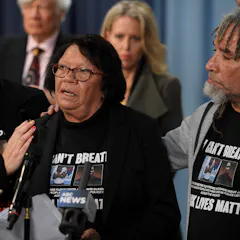
Incarceration Nation has the potential to shake the very core of your understanding of what it means to be Blak on this continent.
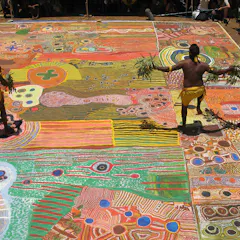
The cancellation of Aboriginal and Torres Strait Islander community events such as NAIDOC, but the continuation of sporting events, reminds us sport is prioritised over art and culture.
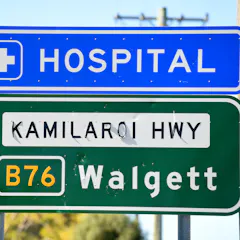
Failed COVID-19 strategies have resulted in the spread of the virus to vulnerable Aboriginal communities in north-Western NSW.

Five climate-sensitive infectious diseases exist in the Torres Strait. Traditional Owners are calling on the UN for action.
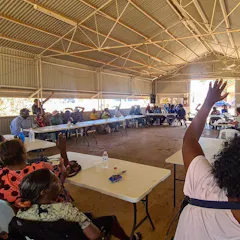
Fracking the Beetaloo Basin has potential environmental and social harms that affect the Traditional owners in the Northern Territory.
Prominent cases continue to draw attention to the wrongful imprisonment of First Nations women.

The recent discovery of the bodies of Indigenous children being found in Canada reminds us of the dark history of Australia’s treatment of young First Peoples and children here in Australia.

Indigenous people in Australia experience poorer health outcomes than non-Indigenous Australians. So it’s crucial health messaging is delivered in culturally appropriate ways.
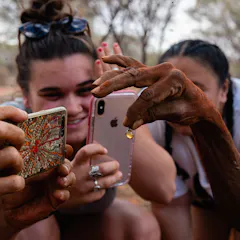
Historically, research has been imposed upon Indigenous people, instead of conducted with them. This is an exploration of more collaborative ways to research when working with Indigenous communities.
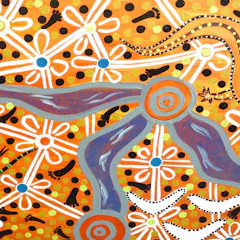
Pandemic-induced lockdowns have brought up challenges for children in out-of-home care and their carers. However, Kinship care provided unexpected positives for Aboriginal elders and their families.
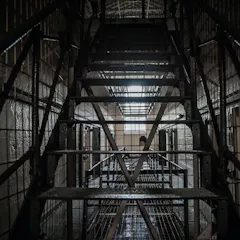
After recent findings that Aboriginal women detainees are strip searched at higher rates than non-Indigenous women, it’s clear that Australia needs to address racial discrimination in justice systems.
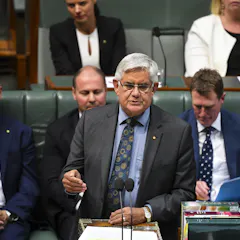
A public consultation process sought feedback on design options for the Indigenous Voice to parliament. Our analysis shows the findings of these sessions.
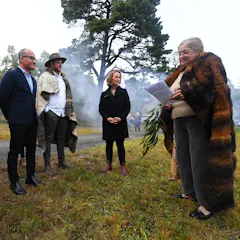
Today marks a first for Australia: a truth-telling process to begin answering for the abuses and injustices suffered by Indigenous people. Victoria’s commission can be a model for the nation.
Top contributors
-

Professor, Critical Indigenous Studies and Director of The Centre for Global Indigenous Futures, Macquarie University
-
Professorial Fellow, University of Canberra
-
Managing Director, Her Story Consulting & Postdoctoral fellow, Australian National University
-
Research Fellow in Disaster Resilience, Monash University
-
Chief Investigator for the Australian Research Council Centre of Excellence for the Elimination of Violence against Women (CEVAW), School of Philosophical, Historical & International Studies, School of Social Sciences (SOSS), Monash University
-
Associate Dean Education, Gnibi College, Southern Cross University
-
Professor, Australian and Aboriginal History, Faculty of Arts, Design and Architecture, Convenor: Indigenous Land & Justice Research Group, UNSW
-
Principal Research Fellow, James Cook University
-
Senior Lecturer of Indigenous Studies, Indigenous Education and Research Centre, James Cook University
-
Senior Lecturer in Law at the University of Queensland, The University of Queensland
-
Lecturer, Department of Indigenous Studies, Macquarie University
-
Lecturer, Griffith Law School, Griffith University
-
PhD Candidate, University of Technology Sydney
-
Research Fellow (Indigenous Diplomacy), Australian National University
-
Senior Lecturer in Education/Applied Linguistics, Curtin University