
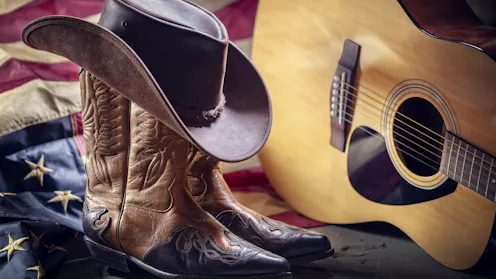
Vowels have become the latest players in partisan politics, a barometer of how beliefs and values fit within the old vs. new South.
- Professor of Linguistics, University of Nevada, Reno
Throughout the history of the language, what has been considered ‘bad’ speech often becomes ‘proper.’ You just have to give it time.
Both President Trump and Vice President Vance pronounce Iran as ‘Ih-RAN,’ not ‘Ih-RON.’ A linguist says that how the country’s name is pronounced may be a political choice.
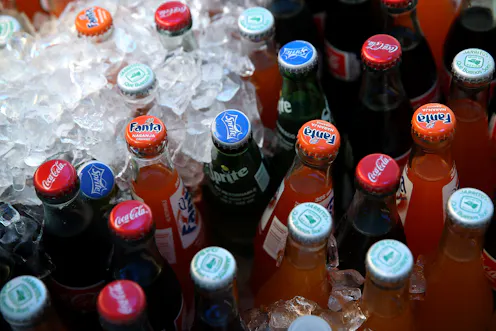
An expert in American dialects explains how a ‘health drink’ from the early 1800s spawned so many names and variations.
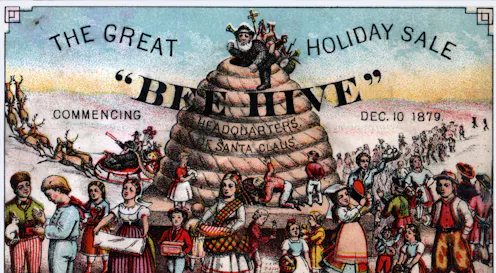
You may call him Santa Claus, but the bearded guy in the red suit is a man known by many names. That doesn’t make him disreputable, just a reflection of changing American culture.
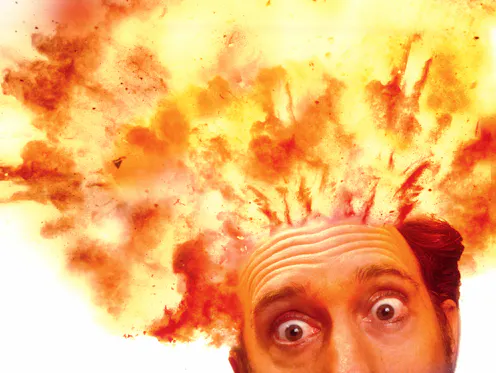
Language changes because of how it finds itself most gainfully employed by speakers through time. So it’s OK to say “The movie literally blew my mind” and not mean it … literally.
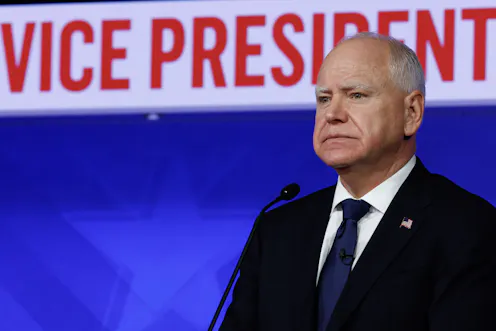
Politicians have long used the phrase ‘I misspoke’ when backpedaling for verbal inaccuracies or blunders. Now it’s used as a euphemistic recasting of lying as an inadvertent mistake.
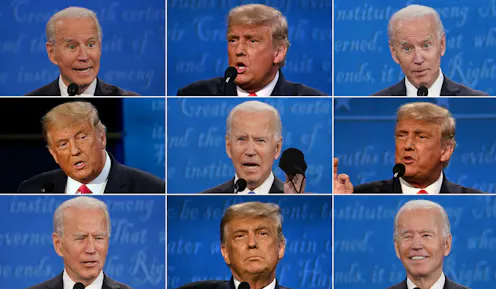
Long treated as a sign of anxiety or a delaying tactic, ‘filled pauses’ are a linguistic trick to signal that what you are about to say might be complicated.
A linguist explores the origin of the word ‘father’ – and why derivatives are common in languages across the globe.
Contact Valerie for
- General
- Media request
- Speaking request
- Consulting / Advising
- Research collaboration
- Location: Reno, Nevada, U.S.
- Website
- X (formerly Twitter): @Fridlandvalerie
- Article Feed
-
- Joined
