

The Steinhoff corporate scandal will do South Africa a huge service if it makes the point that corruption and mismanagement have nothing to do with race.
- Professor of Political Studies, University of Johannesburg
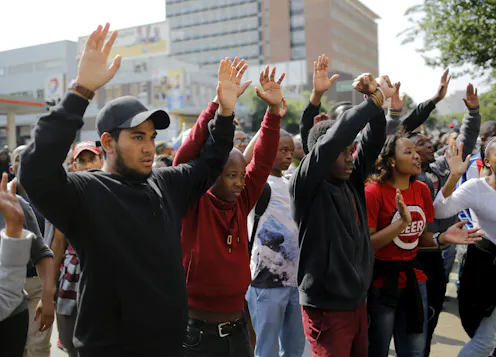
The South African oddity is that those who in other societies would be arguing against free passes for the affluent, argue for them.
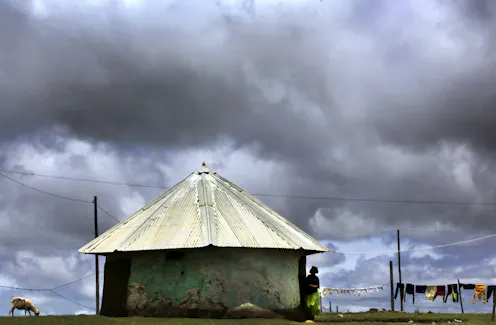
A different form of state capture is underway in South Africa’s rural areas where traditional leaders are selling off people’s land to miners. But communities are fighting back.
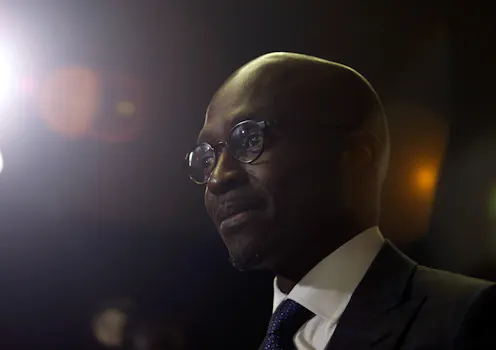
South Africa’s finance minister’s medium term budget speech offered hope of potential economic game changes. But will he be bold enough to make them?

Business Leadership South Africa has in the recent past assumed a stinging position against public sector corruption. Bonang Mohale explains the stance taken by the lobby group.

South Africa’s five-year-old National Development Plan suffers from gross misinterpretation by different parties.
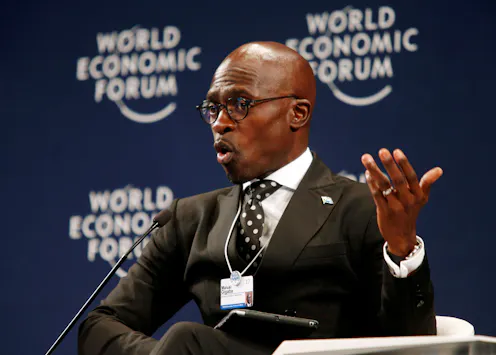
Privatisation talk in South Africa shows how state owned enterprises are being used as tools for enrichment by the connected and less as key elements of development.

South African business can beat back the toxic ‘white monopoly capital’ title by doing things differently and not by shouting from roof tops.
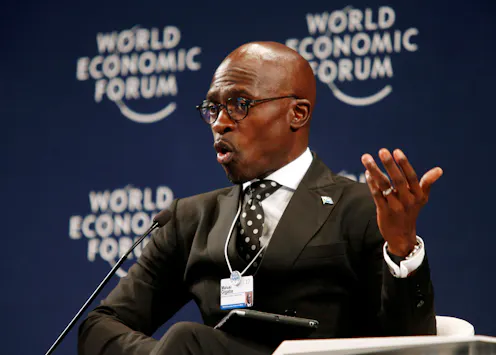
South Africa needs to restore trust and effective bargaining mechanisms between key stakeholders to revive the ailing economy.
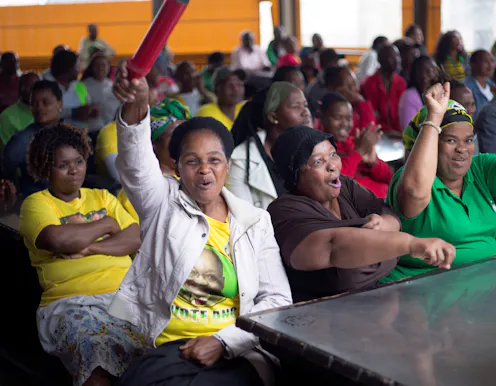
Unless parliament passes a motion of no confidence in him, which is not on the cards any time soon, Zuma’s future depends on whether he’s weakened in the African National Congress, not parliament.
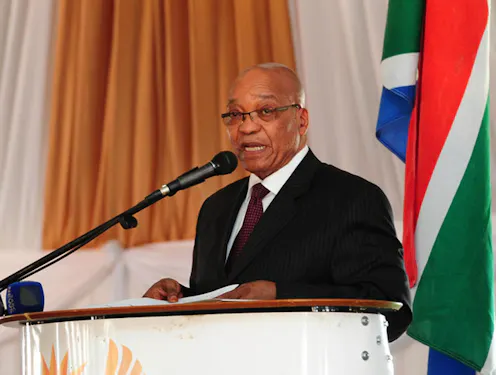
What South Africa’s opposition parties want Parliament and the courts to do would damage the country’s democracy.
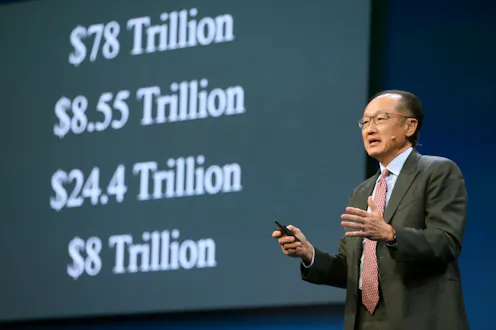
The World Bank has changed direction. It won’t be giving up on public funding, but it will increasingly be trying to attract private investors to developing countries.
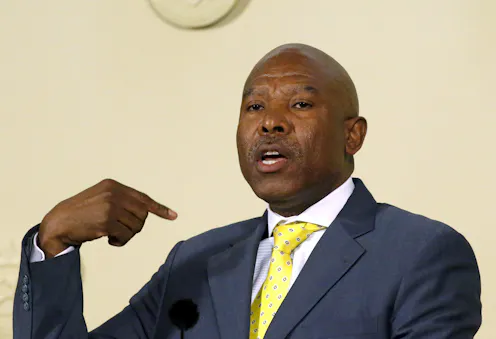
A financial system that is sure to collapse if the central bank cares about people’s well-being goes against democratic principle.
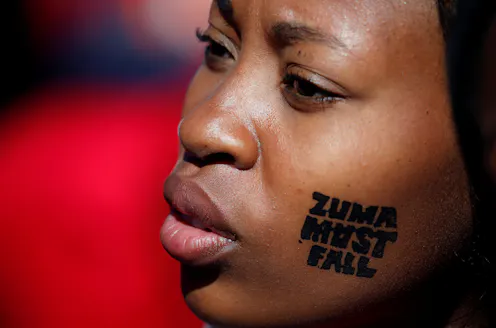
The misfortunes experienced by Brian Molefe, the CEO of South Africa’s power utility Eskom, shows that the battle for the country’s public purse is not a one way bet.
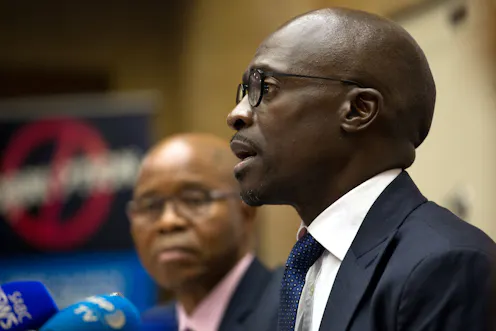
A captured South African Treasury is bad news for the country’s poor but the view that the capture is a natural enemy of the market economy is a myth.

The economic transformation discussion document released by South Africa’s governing party, the ANC, fails to be radical.
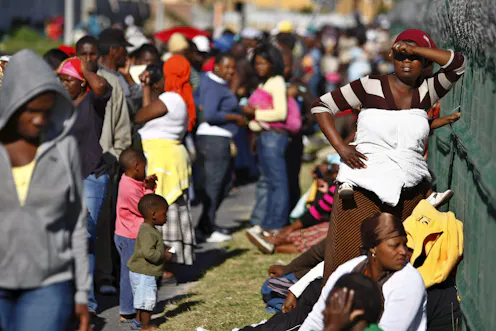
South Africa’s social grant scandal seems to back up highly regarded views on public governance that Public Private Partnerships aren’t naturally efficient.
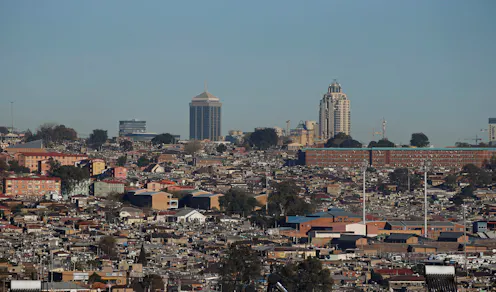
In his recent state of the nation address South Africa’s President Jacob Zuma spoke emphatically of “radical economic transformation” causing nationwide debate. What does it really mean?
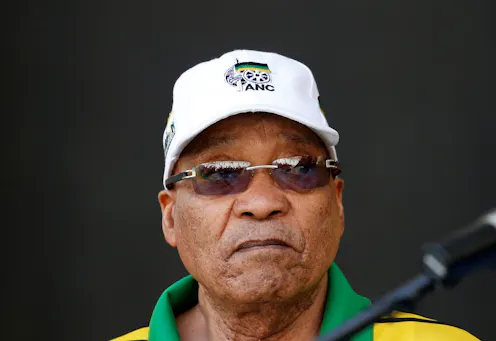
It is common to reduce the politics of the ANC to a battle between personalities. A closer look suggest that this is a fight between two factions, both of them products of trends in the economy.
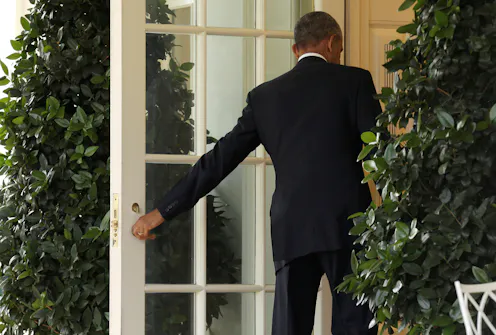
Since the future is so uncertain, South Africa’s best response to Trump’s election is to learn the lessons of its causes.
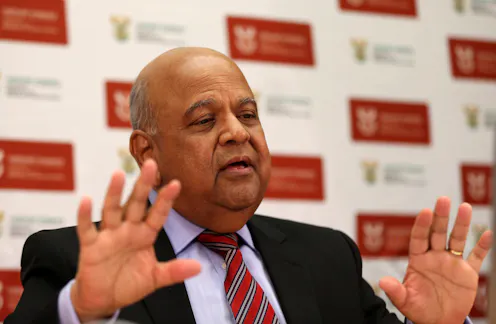
South Africa’s Finance Minister Pravin Gordhan spoke of protecting the economy from predators. This is commendable but not enough to build an inclusive economy.
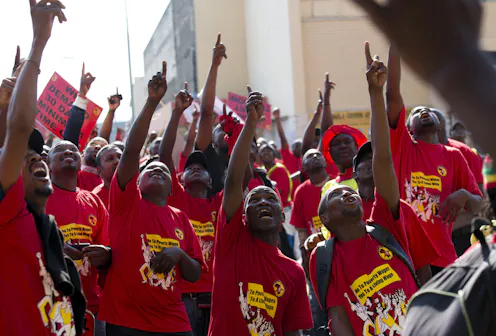
A change of attitude which comes with some deep introspection by South African business leaders can help address some of the country’s key socioeconomic challenges.
Contact Steven for
- General
- Media request
- Speaking request
- Consulting / Advising
- Research collaboration
- Research supervision
- Location: Johannesburg, South Africa
- Website
- Article Feed
-
- Joined
