
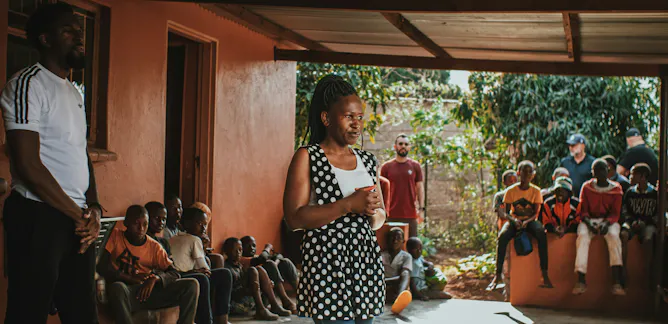
Community developers make a complicated state easier for citizens to navigate – and community experiences harder for government to overlook.
University of Johannesburg

The University of Johannesburg, one of the largest, multi-campus, residential universities in South Africa, seeks to achieve the highest distinction in scholarship and research. Born from the merger between the former Rand Afrikaans University (RAU), the Technikon Witwatersrand (TWR) and the Soweto and the East Rand campuses of Vista University in 2005, the University of Johannesburg fosters ideas that are rooted in African epistemology, but also addresses the needs of South African society and the African continent as it is committed to contribute to sustainable growth and development.
Links
Articles
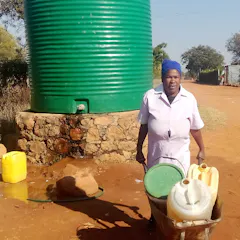
After 15 years of water shortages, residents of Madibeng in South Africa make a moral judgment.
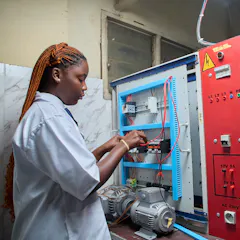
Solar and wind could bring women jobs and businesses in Ghana and South Africa, but governments must overturn inequalities in access to skills, loans and assets.
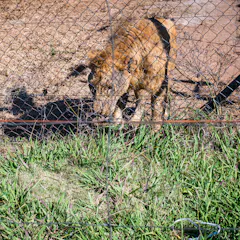
A three-year study of 34 South African captive lion venues found poor welfare conditions, early separation of cubs from mothers and hours of handling by tourists.

The transition to university should be treated as something pupils prepare for over time.

Investments should support entire value chains, linking farmers to storage, processing, transport and reliable markets.
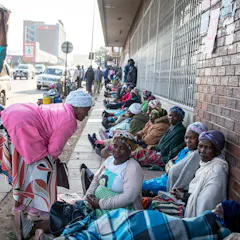
New laws will clarify accountability in South Africa’s civil service.

Africa has the minerals to power the green transition. Capturing more value means countries must pool market power and build shared capabilities.
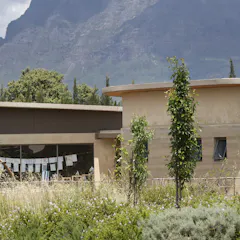
Green ratings are growing in South Africa, mainly for upgraded older buildings, but some low scores suggest buildings may appear greener than they are.

Transformation in South Africa’s institutions of higher education has been slow and uneven.
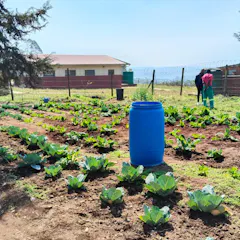
In a rural South African village, climate action is influenced by ubuntu: the belief that people are connected and have a responsibility to one another.

Social capital matters in academic career progress.

Citizen feedback must be properly embedded into government systems so it doesn’t fall on deaf ears.
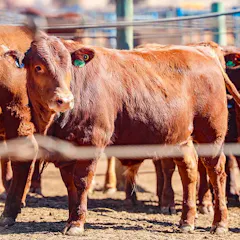
Access to global markets will continue to decrease if the disease is not brought under control.

Organisations behind the wave of xenophobia use the language of participation, community and people’s power to justify marginalisation.

AI may assist in the newsroom, but journalism must remain under human editorial control.
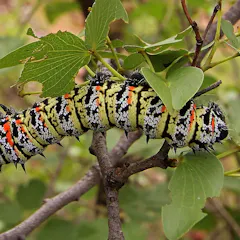
Mopane worms are an important source of food security and cash income for some rural households.

Three of the four new chameleon species found in Mozambique are probably at high risk of extinction.

Suspense-packed yet intellectually sharp, Cape Fever is far more than a chamber drama.

In most churches, religious life forms around friendships, love, emotional support and social events.
Authors
-

Professor of Social Work, University of Johannesburg
-
Senior Researcher, Centre for Social Development in Africa (CSDA), University of Johannesburg
-
Director: Center for Public Policy and African Studies, University of Johannesburg
-
Professor and Acting Head of Department: Department of Finance and Investment Management, University of Johannesburg
-
Professor, University of Johannesburg
-
Associate Professor of Development Economics, DSTI/NRF South African Research Chair in Industrial Development, University of Johannesburg
-
Associate Professor in the School of Economics, University of Johannesburg
-
Postdoctoral Research Fellow, University of Johannesburg
-
Monitoring & Evaluation Scholar-Practitioner, University of Johannesburg
-
Full Professor of Economics, University of Johannesburg
-
Associate Professor of Psychology, University of Johannesburg
-
Full Professor, SARChI Research Chair and Director of Postharvest and Agroprocessing Research Centre, University of Johannesburg
-
Research associate, University of Johannesburg
-
Associate Professor in Applied Information Systems, University of Johannesburg
-
Researcher, University of Johannesburg