
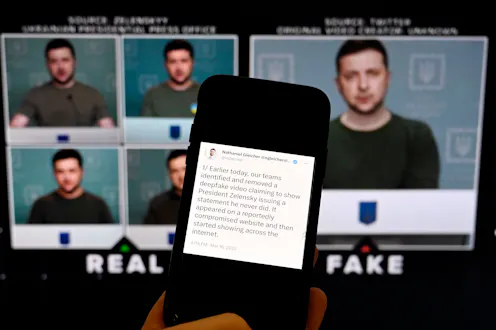
Powerful new AI systems could amplify fraud and misinformation, leading to widespread calls for government regulation. But doing so is easier said than done and could have unintended consequences.
- James P. Jimirro Professor of Media Effects, Co-Director, Media Effects Research Laboratory, & Director, Center for Socially Responsible AI, Penn State
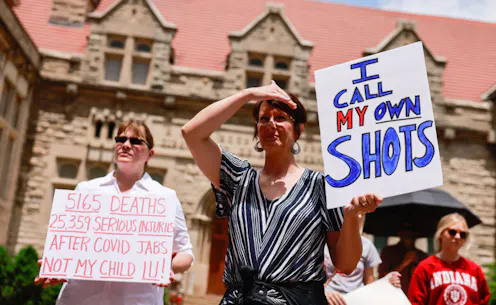
Subtly shifting the crafting and delivery of public health messaging on COVID-19 vaccines could go a long way toward persuading many of the unvaccinated to get the shot.
Para ahli menjelaskan keuntungan psikologis yang didapat dari Facebook yang membuat orang susah untuk berhenti menggunakannya
Les outils interactifs de Facebook offrent tant de gratifications qu’il est très compliqué de s’en détacher.
Social media provide shortcuts to things we yearn for, like connection and validation. Media effects scholars explain the psychological benefits we get from Facebook that make it so hard to quit.
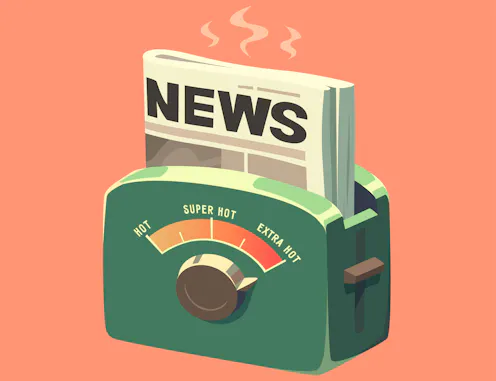
Researcher who has studied online news for 20 years says people fall for fake news because they don’t value journalistic sources and consider themselves and their friends as credible news sources.
Contact S. for
- General
- Media request
- Speaking request
- Consulting / Advising
- Research collaboration
- Research supervision
- Location: State College, Pennsylvania, U.S.
- Website
- X (formerly Twitter): @Shyamer
- Article Feed
- ORCID
-
- Joined
