
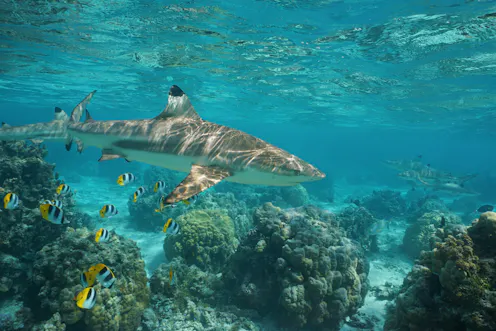
When humans have conflicts with wildlife, the first reaction is often to cull them. But there’s little evidence to show that it works, and removing predators can even backfire and make things worse.
- Professor in Wildlife Ecology and Conservation, School of Life & Environmental Sciences, Deakin University
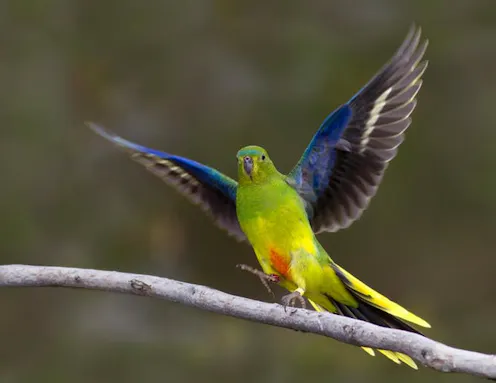
When environmental needs outstrip government funds, people power steps up.

Ecology is in the midst of a technological revolution. From tiny sensors that can be fitted to animals, to swarms of remotely-piloted drones, researchers have a host of new ways to study the natural world.
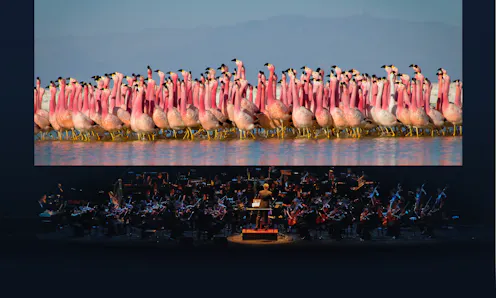
Planet Earth II Live fuses footage from the BBC series with live orchestration. Despite some narrative flaws, it’s a stirring call to look after our environment.

Endangered bandicoots have been found in the outskirts of Melbourne.
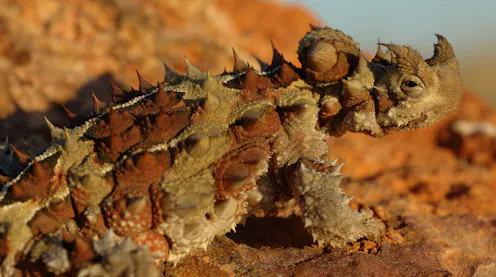
Most of Australia’s plants and animals are found nowhere else on Earth. This remarkable biodiversity requires a bolder, brighter conservation vision.
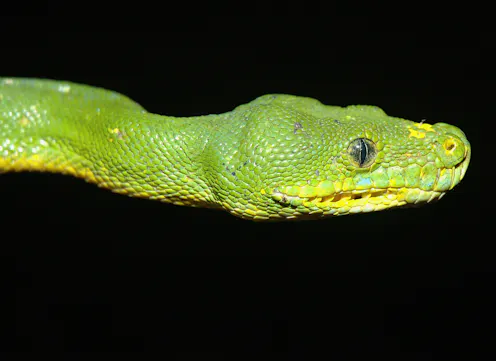
Australia’s species, like this green python, are remarkable and need far better protection.
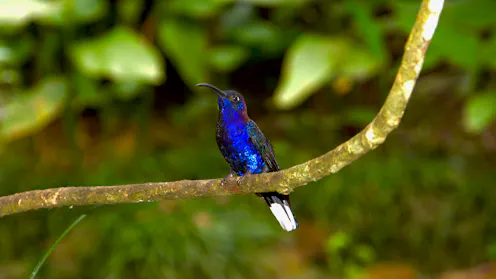
To conserve Earth’s remarkable species, we must also defend the importance of science and scientific integrity.
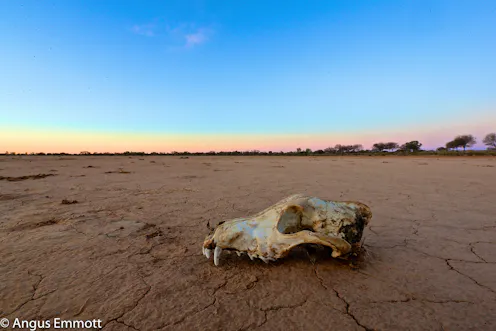
Australian farmers and graziers have historically been against dingoes on their lands. But in a bid to adapt to changing conditions, some are embracing the predators and their potential.

Cats have a bad reputation as wildlife killers (deservedly so). But dogs aren’t off the hook: new research shows domestic dogs have contributed to the extinction of at least 11 species.
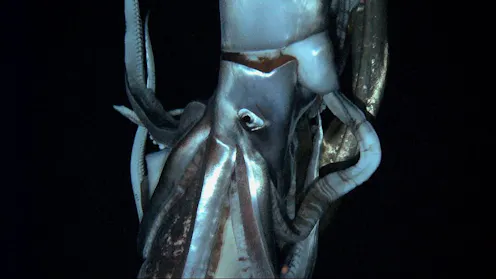
Searching for animals thought to be extinct – or fictional – is difficult, painstaking and often disappointing. But new technology like drones offer hope of a boom in biological discovery.
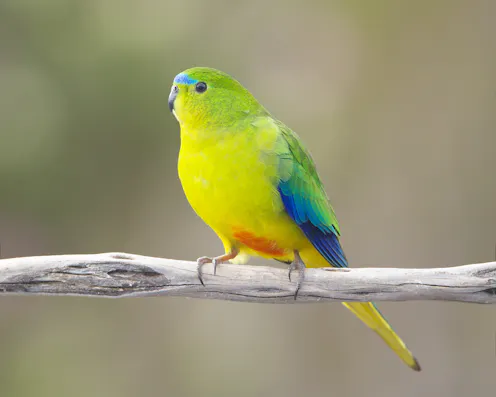
The government’s charity drive for threatened species shows it’s unwilling to invest what’s needed to prevent extinction.

The Conversation asked eight authors from across its sections to tell us about their favourite podcasts – and why you should tune in.
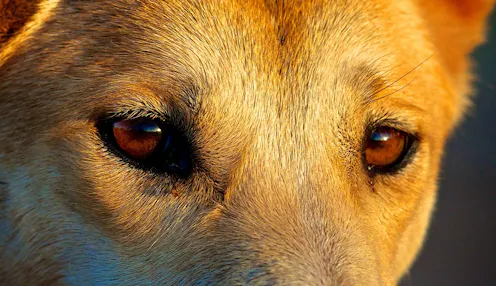
Wild dog attacks on livestock are devastating, but bounties and culling aren’t the answer.
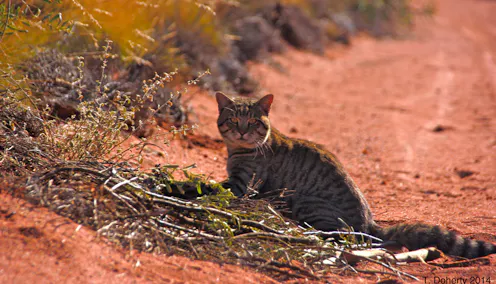
Cats, rats, foxes and other mammal predators have been implicated in 60% of the world’s animals extinctions.
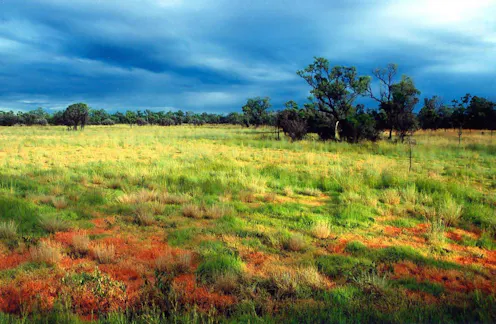
Australia’s Great Northern Savannas are the largest and most intact ecosystem of their kind on Earth. But they still face pressure from grazing, mining and agricultural expansion.
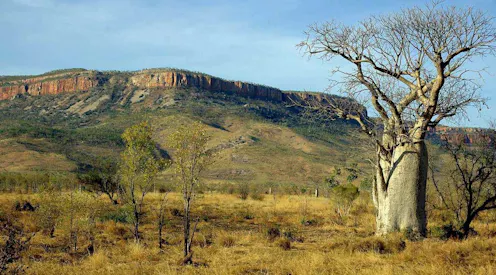
Scientists are calling for your help this National Science Week to identify Australian wildlife.
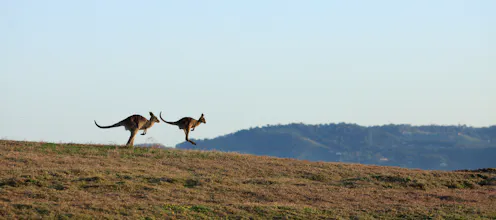
Eating cows and sheep is unsustainable. Here are some better alternatives.

We’re set to hear very little about nature conservation in Australia’s upcoming election campaign. Here’s why that’s a huge oversight.
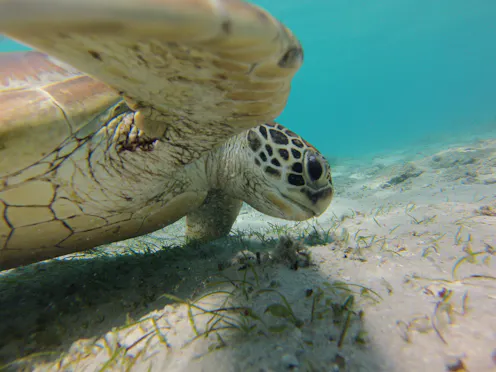
Sharks and other ocean predators help protect the ocean’s carbon stores by keeping other wildlife in check.
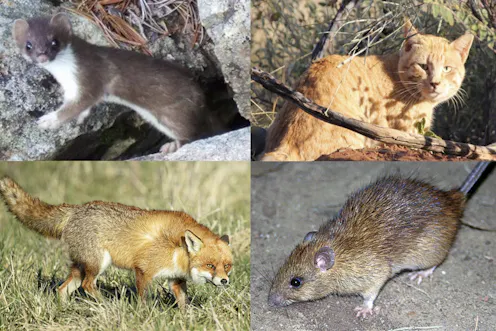
Research published this week shows saving wildlife is much more complicated than killing introduced predators. Killing predators often doesn’t work, and is sometimes actually worse for native wildlife.

Australia holds many world records, including the world’s longest fence, the dingo fence. At 5,531 km, the dingo barrier fence stretches from eastern Queensland all the way to the South Australian coastline…
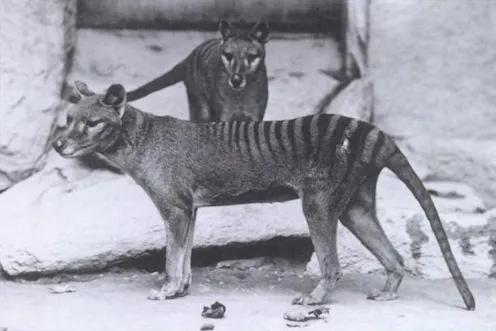
There was a plague of them and one night I got approximately 300 which had been poisoned in the garden during night. This went on for two or three years. Take a second and have a guess what animal species…
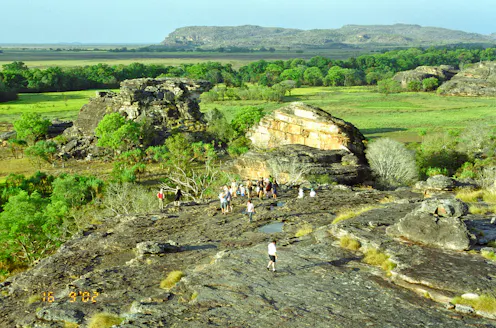
While we can never know for sure, an extraordinary number of animals and plants are threatened with extinction — up to a third of all mammals and over a tenth of all birds. And the problem is getting worse…
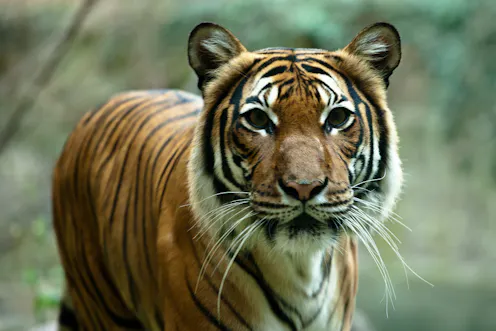
Humans have an innate fear of large predators, and with good reason. Nobody wants to be a shark or a lion’s next meal. But new research in the journal Science shows that our inability to live with these…
Contact Euan for
- General
- Media request
- Speaking request
- Consulting / Advising
- Research collaboration
- Research supervision
- Location: Burwood, Melbourne
- Website
- X (formerly Twitter): @EuanRitchie1
- Article Feed
- ORCID
-
- Joined
