
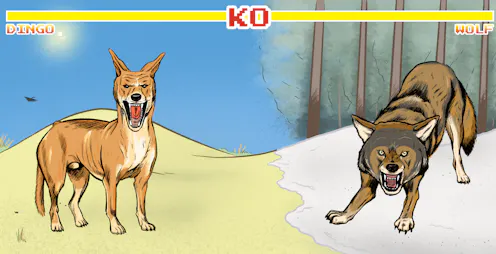
The answer isn’t as clear cut as you might think and depends on a number of factors, including the terrain and whether it’s pack vs pack.
- Professor in Wildlife Ecology and Conservation, School of Life & Environmental Sciences, Deakin University
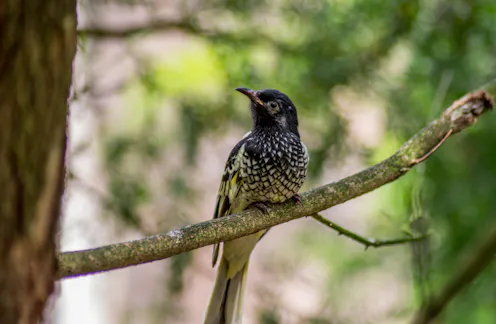
Under a new code, rural landholders in NSW will be allowed to clear up to 25 metres of land outside their property boundary. This will be devastating for the wildlife that live or migrate there.
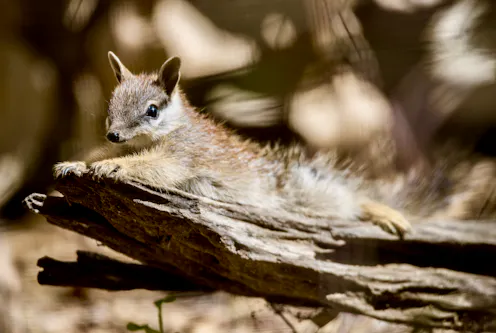
Given the scale of the problem, five years was never enough time to turn things around. Clearly, we must reflect honestly on our successes and failures so far.
Saving our threatened species shouldn’t be seen as a cost, but rather a very savvy investment to ensure the support systems sustaining life on Earth remain intact.
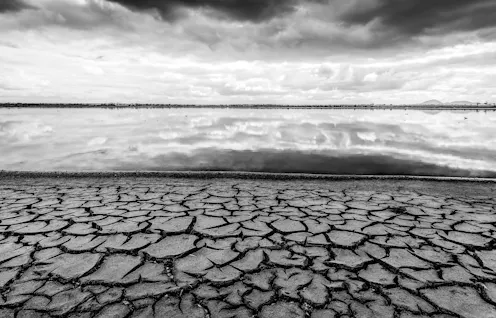
Iconic ecosystems, from coral reefs to Tasmania’s ancient forests, are collapsing across the continent and into Antarctica. It’s not too late to act — in fact, our lives depend on it.
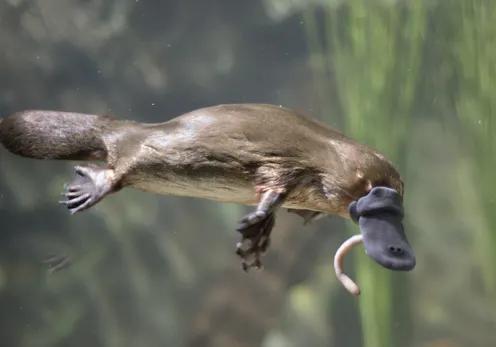
As ecologists, we’ve seen first-hand how Australia’s nature laws have permitted environmental degradation and destruction to the point of extinction.
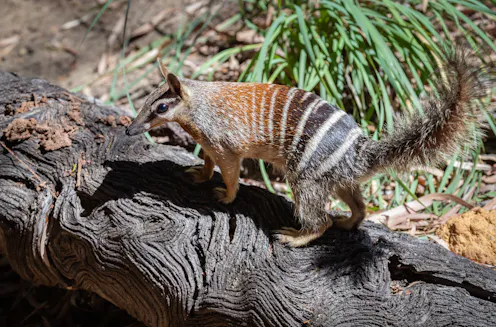
The first Threatened Species Strategy fizzled out last year without making a big difference to conservation. With the next strategy due to roll out this year, let’s look at what needs to change.
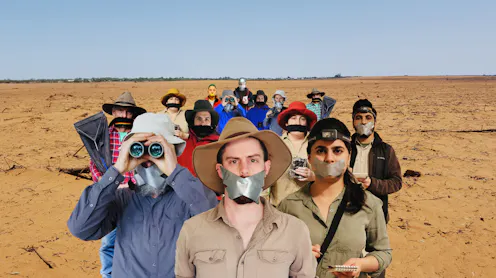
About half of environmental scientists working for government had been prohibited from communicating scientific information.
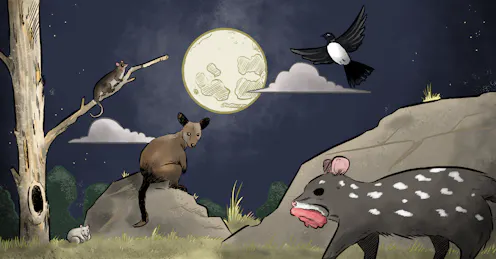
Three recent studies shed new light, as understanding how the behaviour of Australia’s wildlife changes at night can help scientists better protect them.
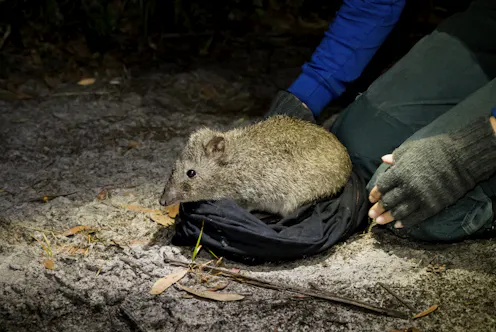
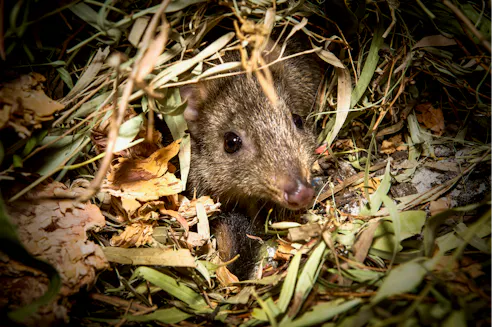
If long-nosed potoroos can co-exist with one of the world’s most deadly predators, then it’s time we rethink our conservation strategies.
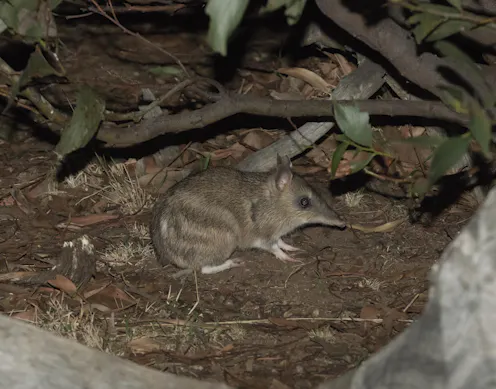
These Aussie diggers boost the health of our soils. But up until recently, we didn’t know just how much soil they can turn over (hint: it’s a lot).
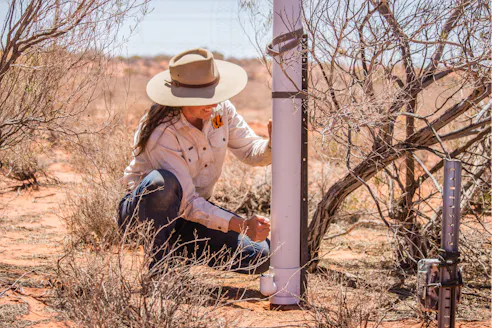
We all want to help native animals recover after bushfires, but giving a koala a drink from your water bottle can cause more harm than good. Here are some helpful things you can do.
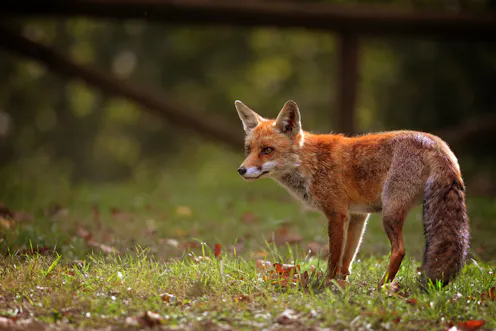
Some predators thrive after fires, other wilt – and one bird even starts them on purpose.
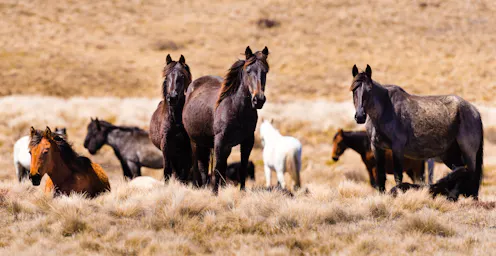
Rapid action is needed to reduce feral horse numbers before they cause more damage to native species.
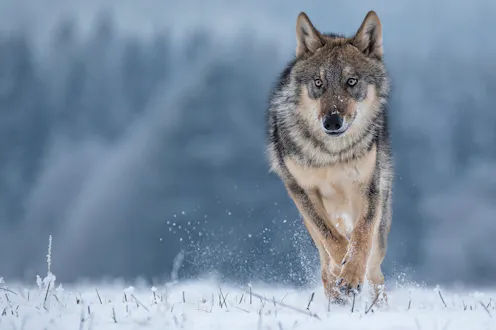
Academia can play an important role by helping institutions break out of their silos to improve large carnivore conservation.
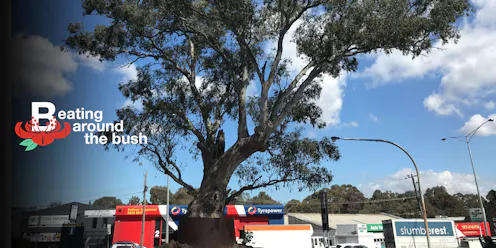
This massive red gum has stood for 300 years, as if in defiance of the modern world and the development that has encircled it.
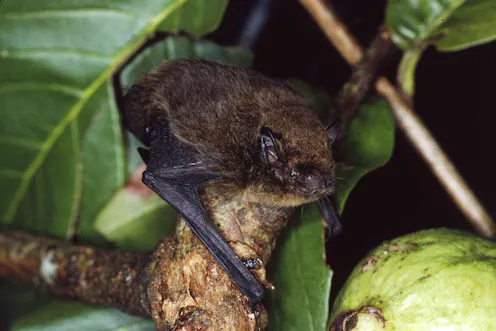
Current environment laws are manifestly failing Australian animals.

A new petition is urging state and federal governments to rein in Australia’s rampant land clearing, which worsens the risk of bushfires and threatens to undo the work of the Emissions Reduction Fund.
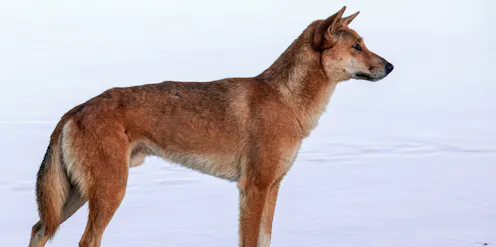
Of all Australia’s wildlife, one stands out as having an identity crisis: the dingo. New research has found the dingo is its own species, distinct from ‘wild dogs’.

The plan to kill 2 million feral cats nationwide by 2020 makes for good headlines. But it’s also a simplistic goal that won’t necessarily deliver conservation benefits to native species.
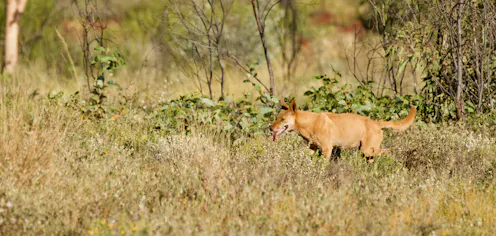
A survey of 32,000 samples of dingo droppings and stomach contents reveal that this predator’s appetite is as wide-ranging as Australia’s landscapes. But medium and large mammals are top of the menu.
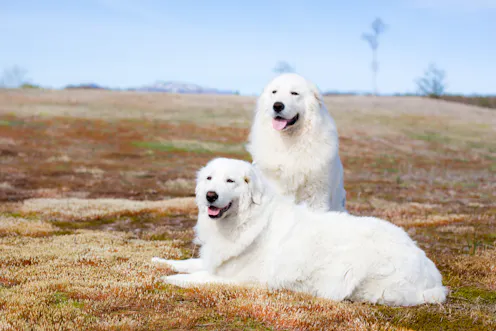
All three of the methods found to be most effective at protecting livestock do not involve killing carnivores.

The WA government has announced plans to reclassify dingoes as no different to wild dogs - paving the way for them to be culled at will. But dingoes are unique and deserve to be recognised as such.
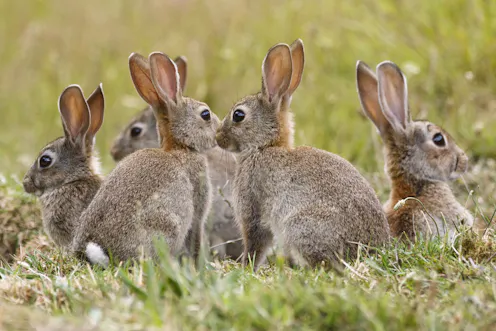
Managing rabbit populations isn’t as simple as declaring ‘open season’.
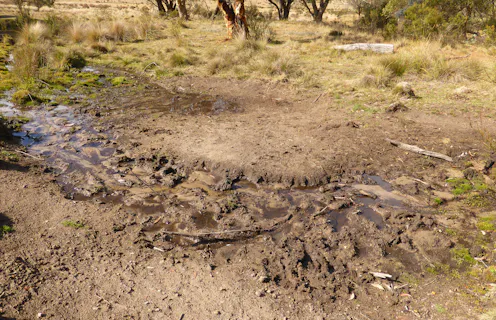
The ‘brumby bill’ which passed the NSW upper house late last night, is an embarrassing step backwards for the state.
Contact Euan for
- General
- Media request
- Speaking request
- Consulting / Advising
- Research collaboration
- Research supervision
- Location: Burwood, Melbourne
- Website
- X (formerly Twitter): @EuanRitchie1
- Article Feed
- ORCID
-
- Joined
