
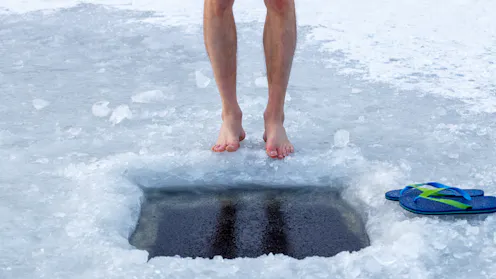
A dor parece ser imediata, mas nosso cérebro recorre a experiências passadas para interpretar os sinais do corpo, e isso pode ajudar a explicar por que a dor pode persistir mesmo depois que uma lesão já está curada
- Professor of Integrated Musculoskeletal Care and Head of the Centre of Pain and Active Inference Research, Health Sciences University

Research suggests that communication, expectations and trust can influence how people experience pain and respond to treatment.
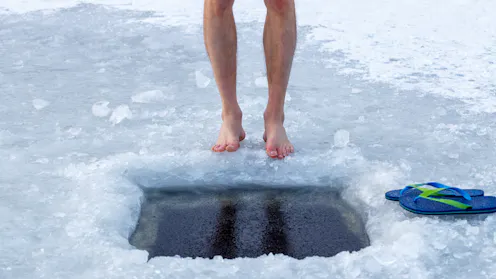
Pain feels immediate, but our brains draw on past experiences to interpret bodily signals. This may help explain why pain can persist after an injury heals.
Contact Dave for
- General
- Media request
- Speaking request
- Consulting / Advising
- Research collaboration
- Research supervision
- Location: Bournemouth, UK
- Website
- Facebook: Dave Newell
- Instagram: newell9144
- LinkedIn: prof-dave-newell-09660523
- Article Feed
- ORCID
-
- Joined
