

With the Paris Olympics and Canada’s Future of Sport Commission both to start soon, this is a timely critique of the Canadian sport system.
- Professor Emeritus of Kinesiology and Physical Education, University of Toronto

There are growing calls for a judicial inquiry to investigate abuse in Canadian sport. We argue that there are better alternatives to address the problem.
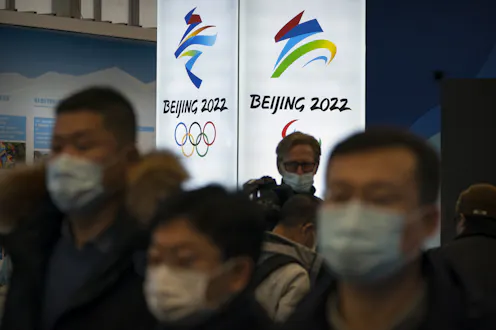
Instead of boycotting the upcoming Winter Olympics in Beijing, activists should pressure the IOC to let anyone attending the Games to express their views on China without fear of penalization.
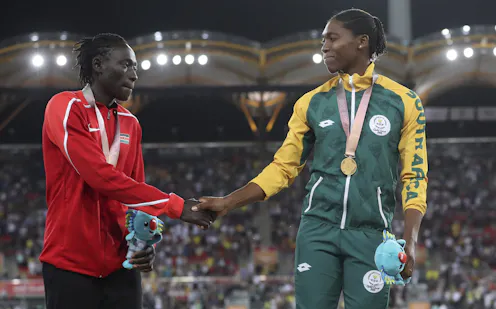
Les tests de féminité sont reconduits à tous les Jeux olympiques. Et ce, malgré les oppositions de nombreux athlètes, féministes, généticiens, éthiciens et gouvernements nationaux.
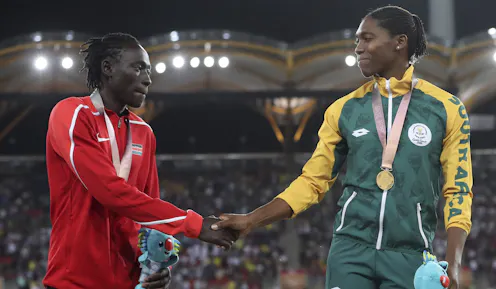
Mandatory sex testing at the Olympics might have stopped in the 1990s, but the policing of high performance female athletes’ bodies is still ongoing.
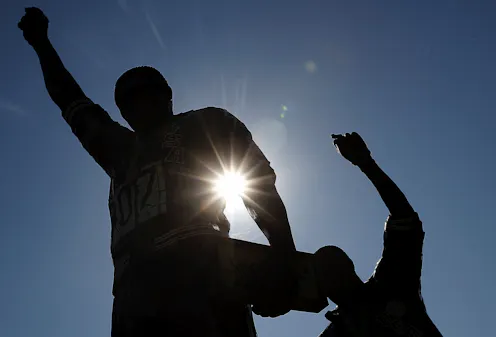
The International Olympic Committee’s Rule 50 still restricts the freedom of speech of athletes, despite the recently relaxed stipulations. A respected Olympian says the IOC must change its policy.
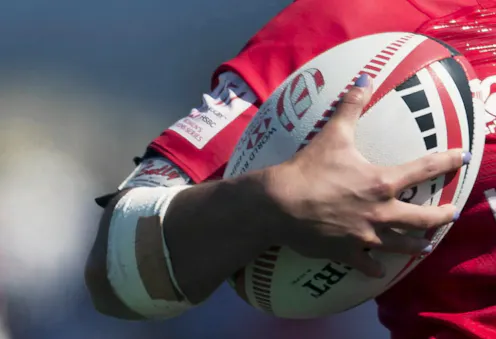
If “fairness” is why trans players have been banned by World Rugby, then sport bodies need to realize many athletes have an unfair advantage because of issues like class and cultural backgrounds.
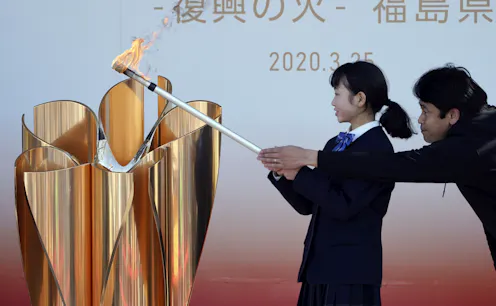
An athlete who competed in the 1964 Tokyo Olympics says when the rescheduled Olympics take place, the Games can help rebuild societies in a humanitarian way through the spirit of Olympism.
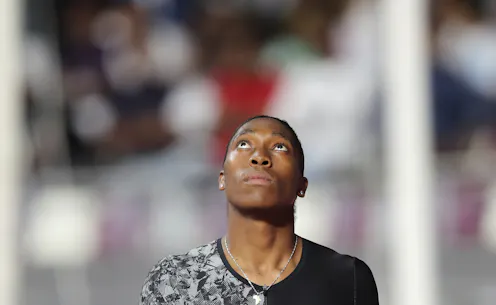
The great South African runner Caster Semenya may have competed in her last 800-metre race. She has been demonized for more than a decade, like many other female athletes before her.
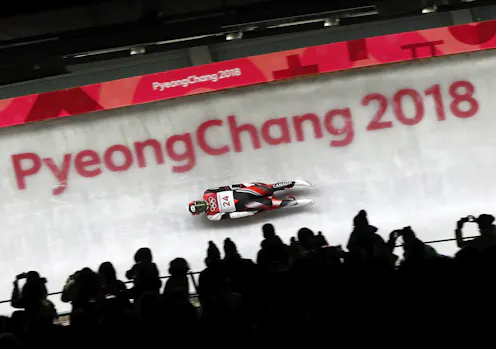
The Olympics have been plagued by doping, corruption and political problems. But academic and former Olympian Bruce Kidd says the Olympic Games are still an important humanitarian movement.
Contact Bruce for
- General
- Media request
- Speaking request
- Consulting / Advising
- Research collaboration
- Research supervision
- Article Feed
-
- Joined
