
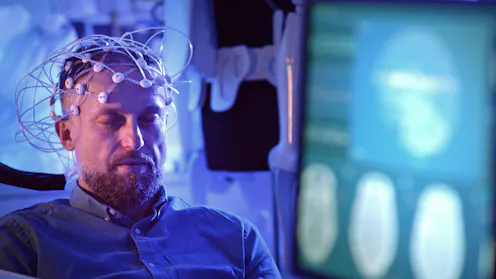
Some forces are using neurotechnology devices to determine if suspects have ‘guilty knowledge’, raising concerns over human rights violations.
- Academic Fellow, School of Law, University of Sydney
Could the technology move beyond medical applications and into wide use?

The criminal justice system presupposes people generally are free to decide whether or not to engage in criminal behaviour. However, the courts acknowledge not everyone has free will.

When DNA databases and behavioural genetics combine, your family’s genes could play a role in criminal sentencing

We are far from defenseless against the rise of robots, although they’ll take many of our routine jobs. Our special strength is our ability to apply rules that don’t exist.
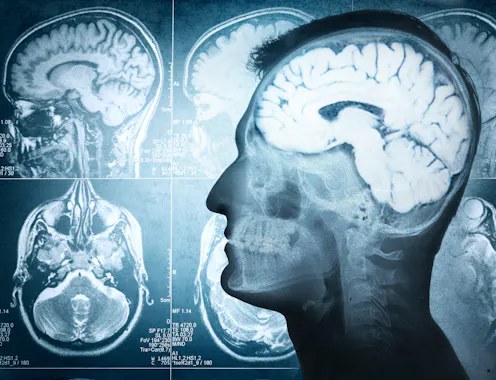
Some believe neuroscience should change the way we punish criminals, but courts have been slow to embrace new approaches.
Contact Allan for
- General
- Media request
- Speaking request
- Consulting / Advising
- Research collaboration
- Research supervision
- Location: Sydney, Australia
- Website
- LinkedIn: allan-mccay-81b285185/
- X (formerly Twitter): @DrAllanMcCay
- Article Feed
-
- Joined
