We analysed 30 years of debate on genetic modification. This is what’s been missingSylvia Nissen, Lincoln University, New Zealand; Alexandra Palmer, Lincoln University, New Zealand, and Raven Cretney, Lincoln University, New Zealand
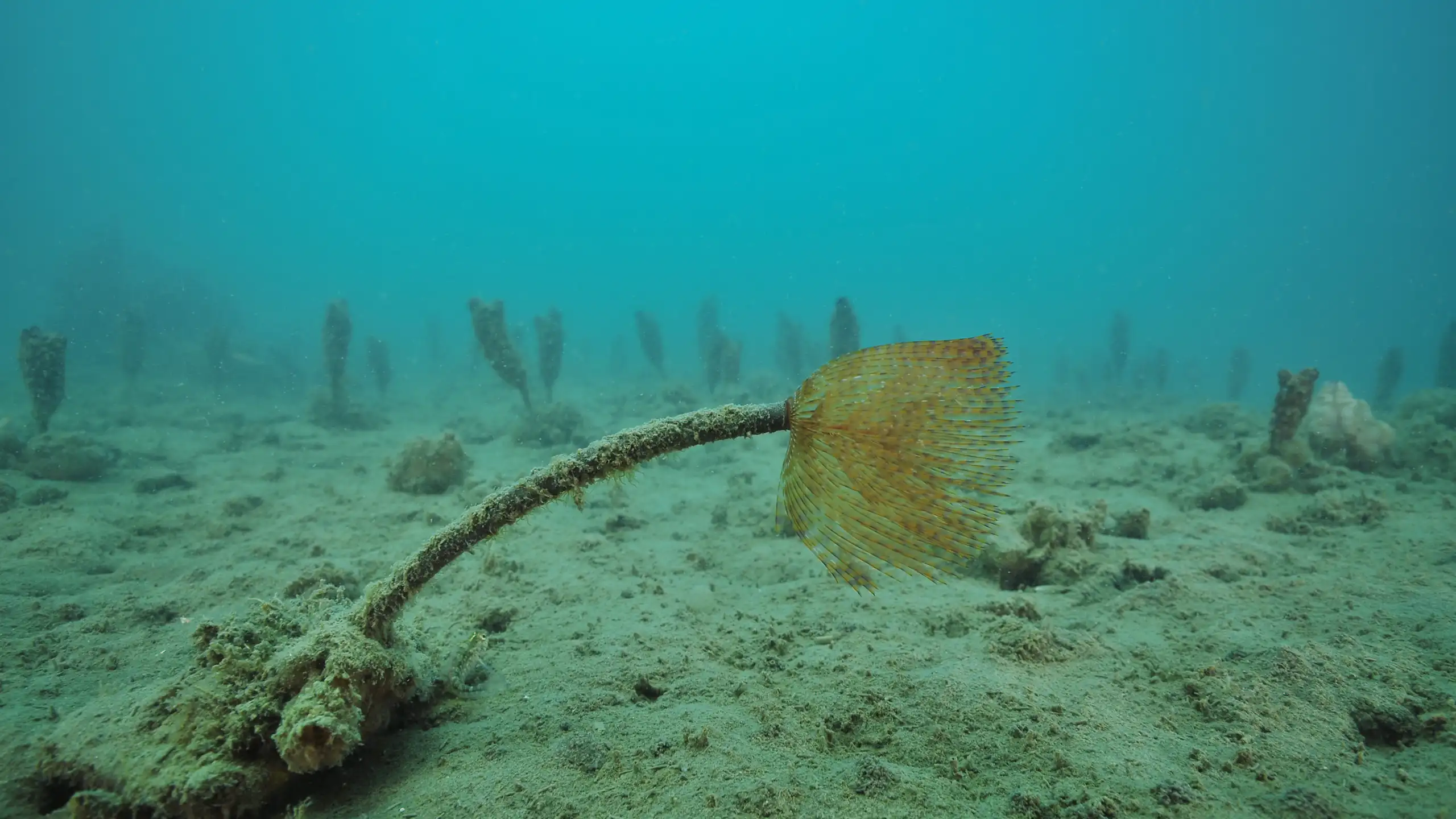
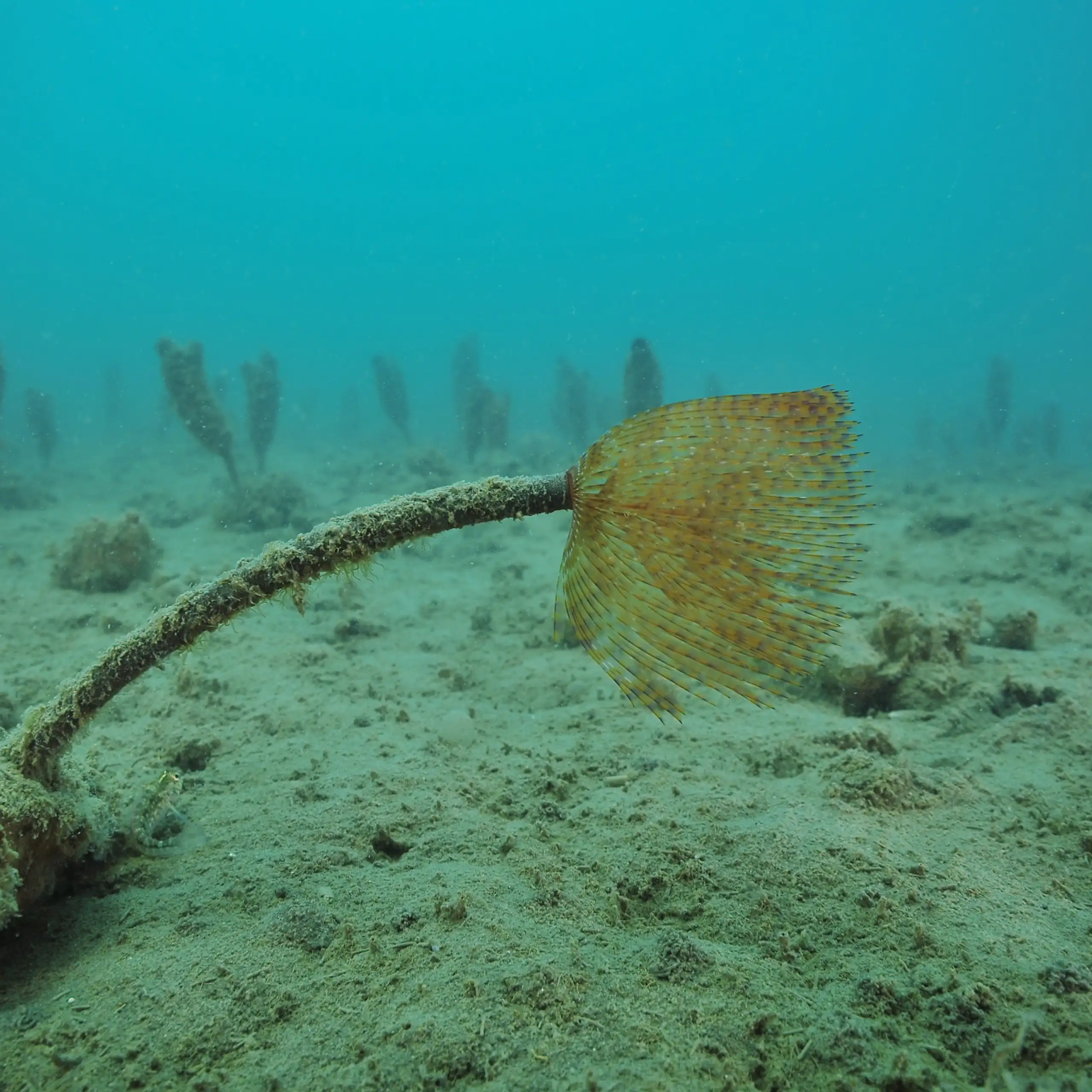
Kauri dieback threatens more than trees: it could change how much carbon forests storePin Jia Chan, University of Auckland, Waipapa Taumata Rau and Luitgard Schwendenmann, University of Auckland, Waipapa Taumata Rau
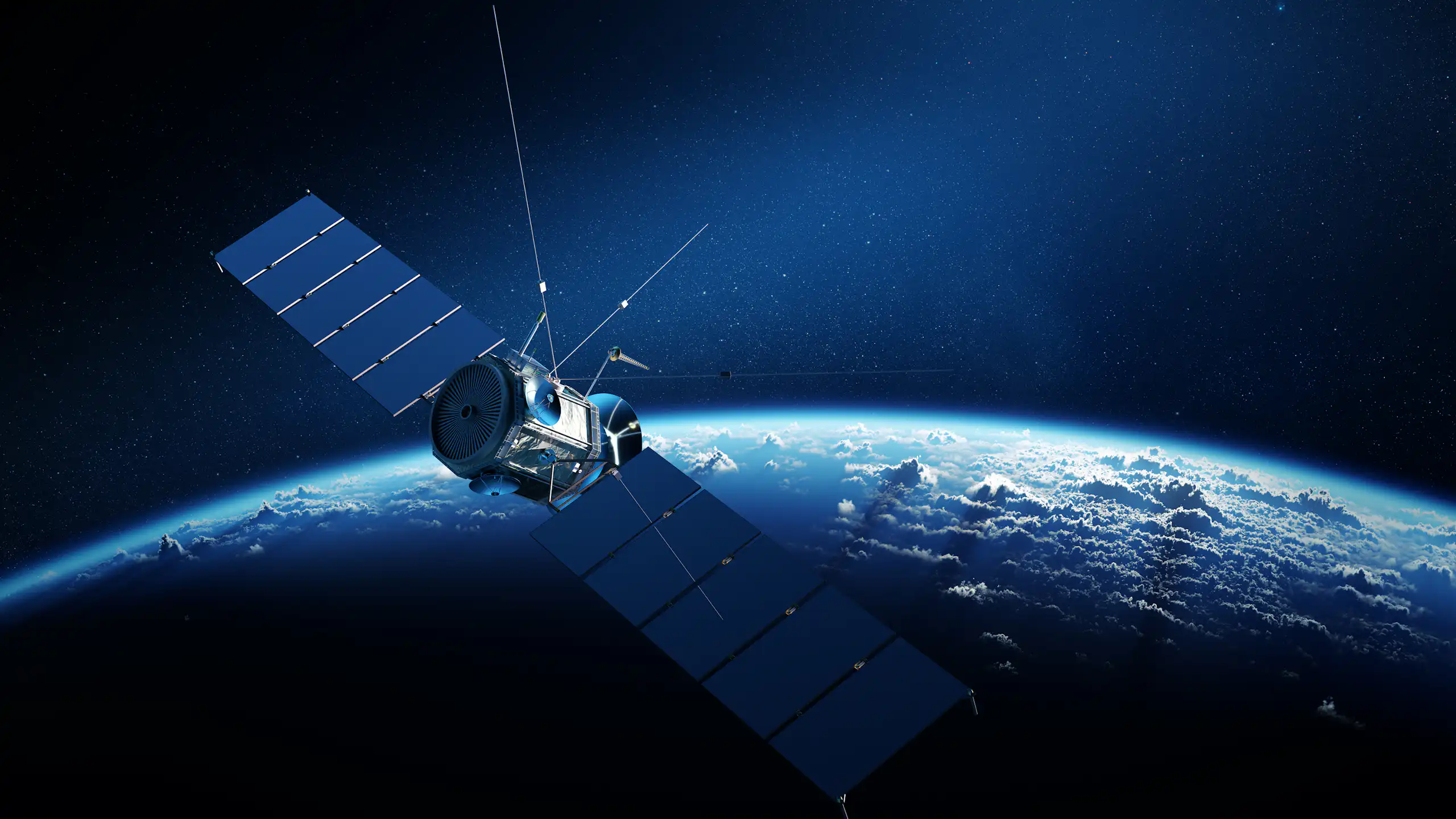
The same satellite can have military and civilian functions. This creates a dilemma for NZCarolle Varughese, University of Auckland, Waipapa Taumata Rau; Priyanka Dhopade, University of Auckland, Waipapa Taumata Rau, and Sarah Hendrica Bickerton, University of Auckland, Waipapa Taumata Rau
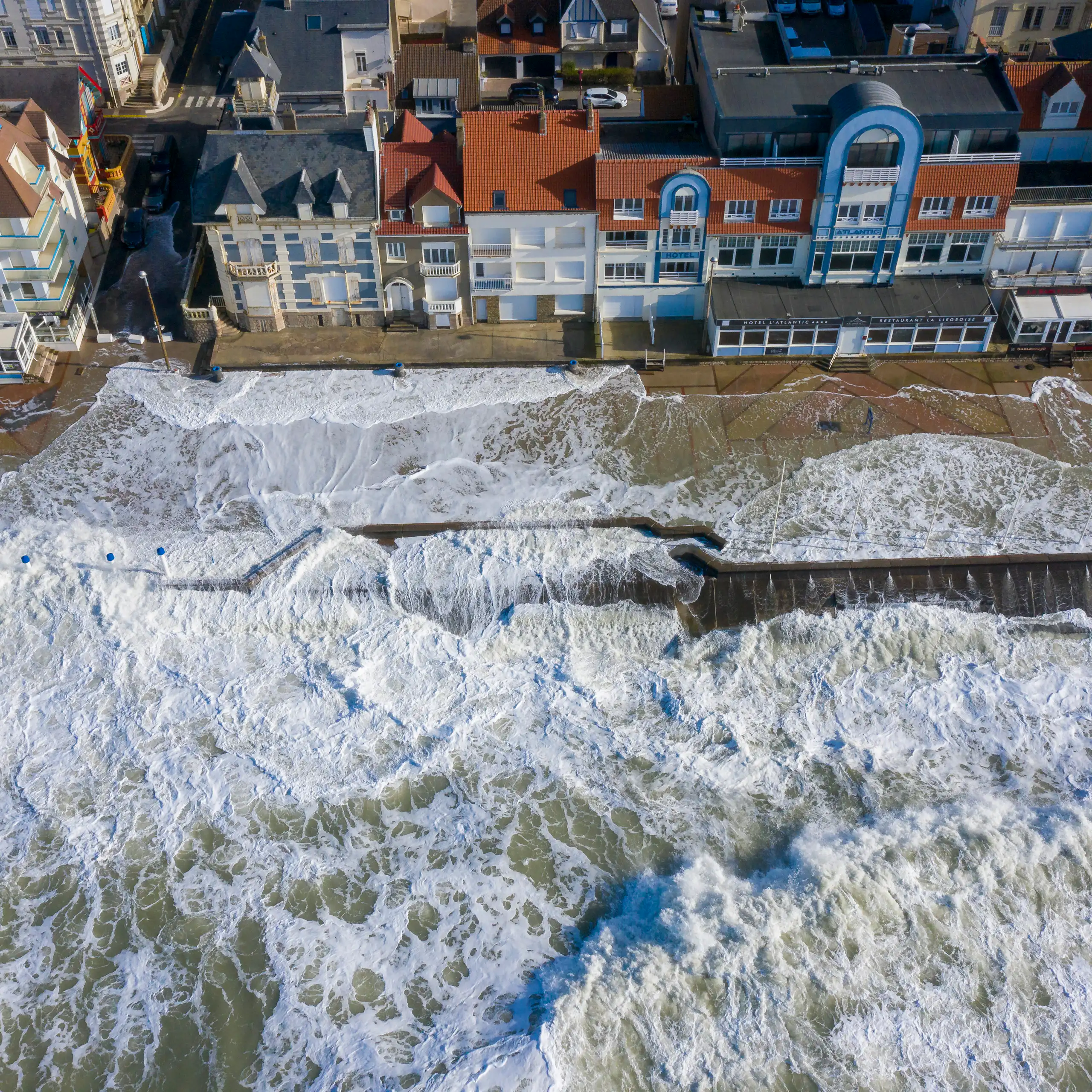
Cities across the world are sinking because of groundwater depletion. But the process can be reversedJesse Kearse, Te Herenga Waka — Victoria University of Wellington
Ahead of the global climate summit, Pacific leaders call on nations to keep 1.5°C within reachVaeno Wayne Vigulu, Solomon Islands National University; Richard Levy, Earth Sciences New Zealand, and Tim Naish, Te Herenga Waka — Victoria University of Wellington
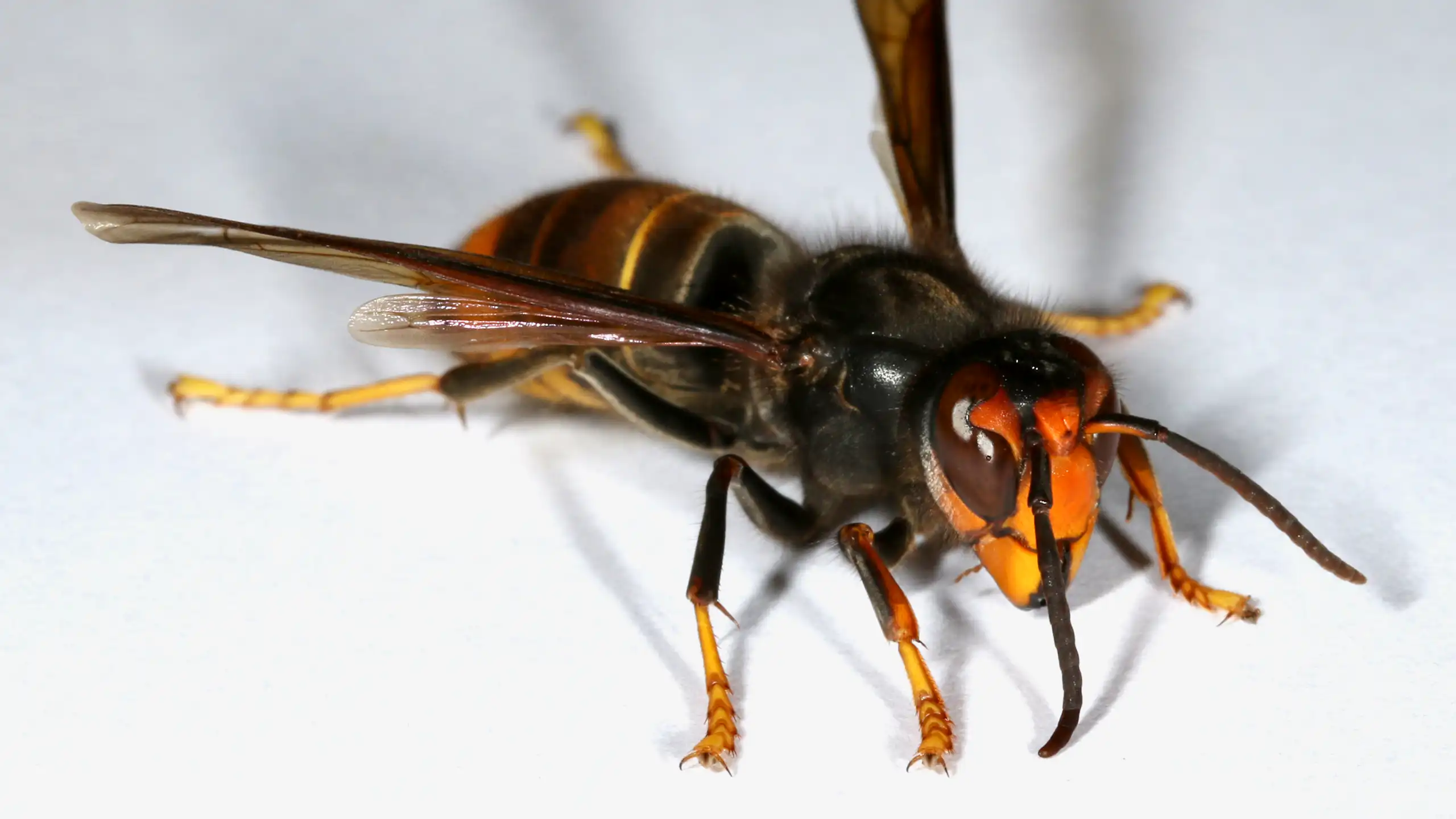
‘Spring queening’ time will be crucial for finding any surviving yellow-legged hornetsPhil Lester, Te Herenga Waka — Victoria University of Wellington


September’s ozone hole was the biggest in 20 years. The warning signs appeared months agoHannah E. Kessenich, University of Otago; Annika Seppälä, University of Otago, and Dan Smale, Earth Sciences New Zealand
Why do some robots feel creepy? We deliberately built one to find outJessica Turner, University of Waikato; Jemma König, University of Waikato, and Nicholas Vanderschantz, University of Waikato
NZ’s new emergency management law sets the rules. Trust and connection are key to it workingTodd Miller, Auckland University of Technology
Imported phosphate for fertiliser is expensive – could this homegrown alternative be a solution?Leo M Condron, Lincoln University, New Zealand
Auckland has an overlooked traffic pollution problem – and it’s not from exhaustsMingyue Selena Sheng, University of Auckland, Waipapa Taumata Rau and Le Wen, University of Auckland, Waipapa Taumata Rau
Working with nature can help NZ adapt to climate change. Where is the plan to do it?Bradley Case, Auckland University of Technology
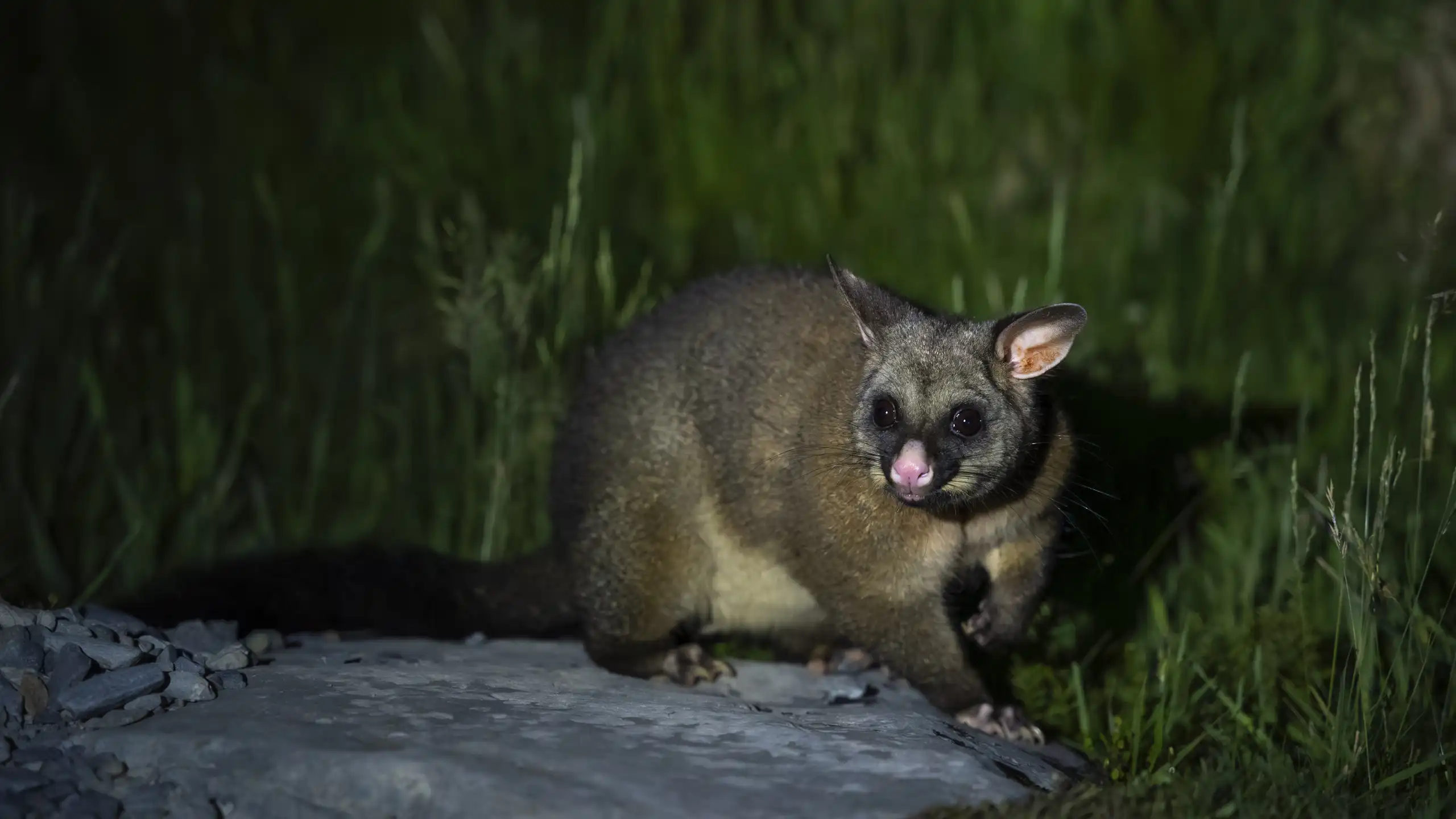
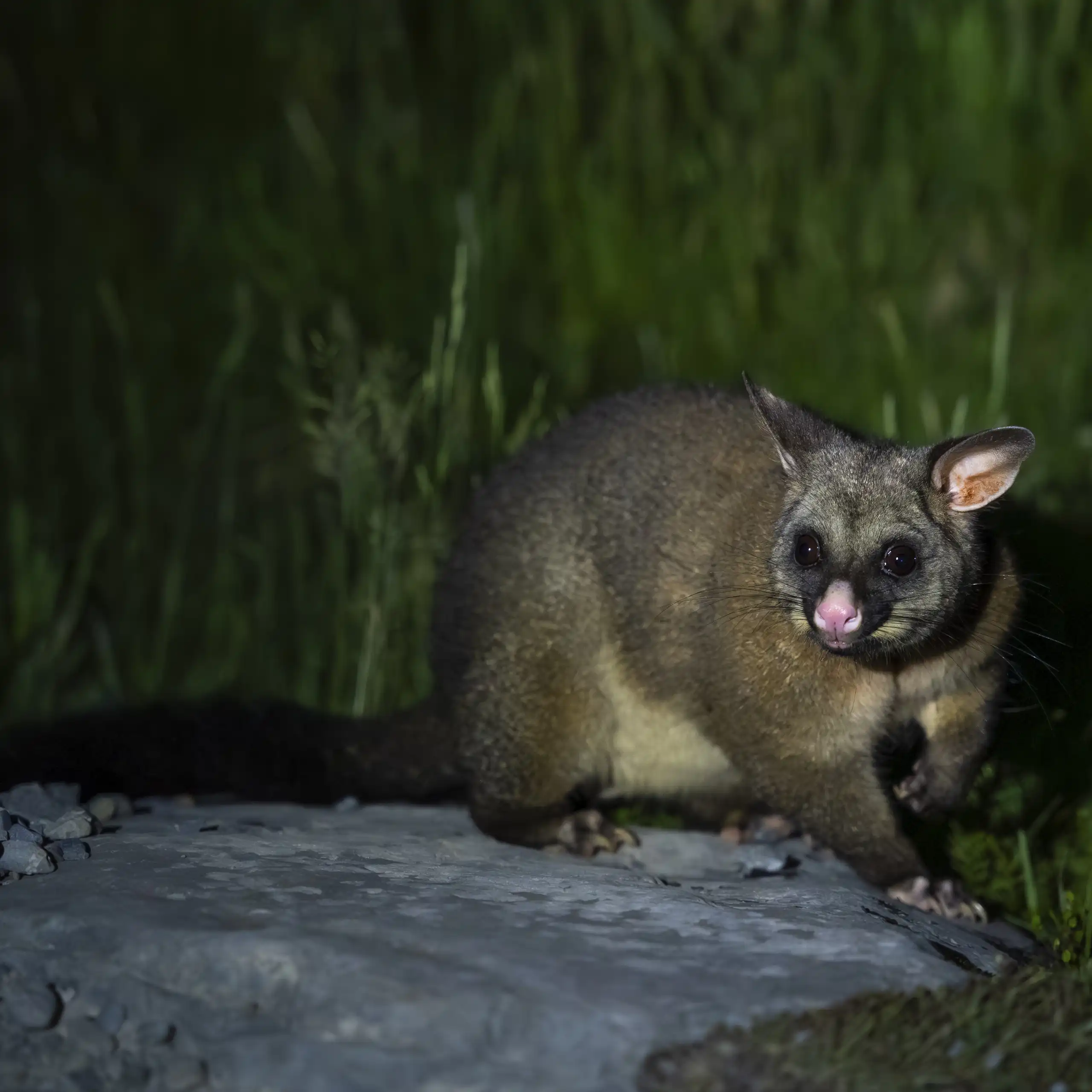
Listening to the bush: how AI can help NZ rid its wilderness of ‘hold-out’ pest possumsAkbar Ghobakhlou, Auckland University of Technology
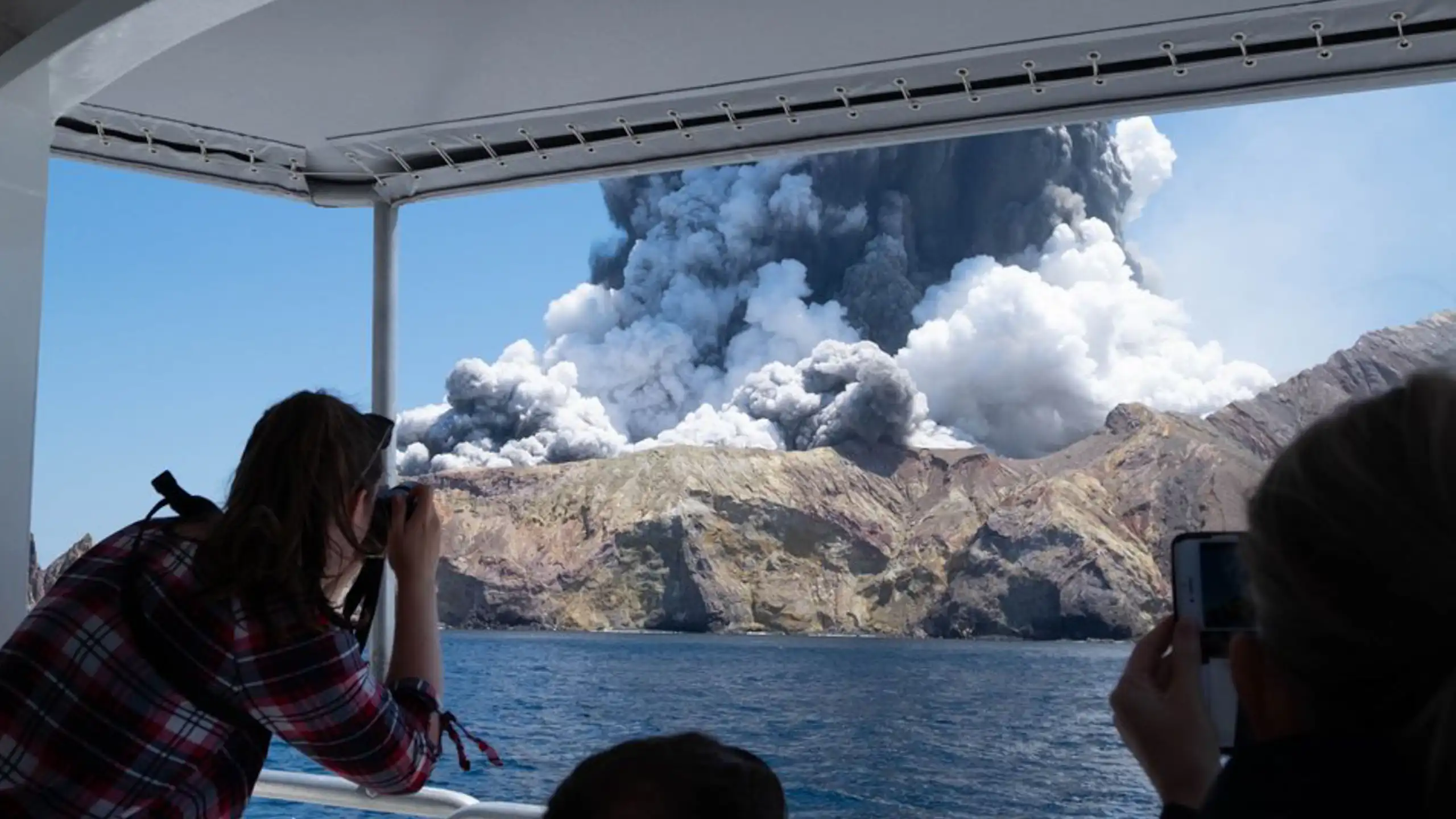
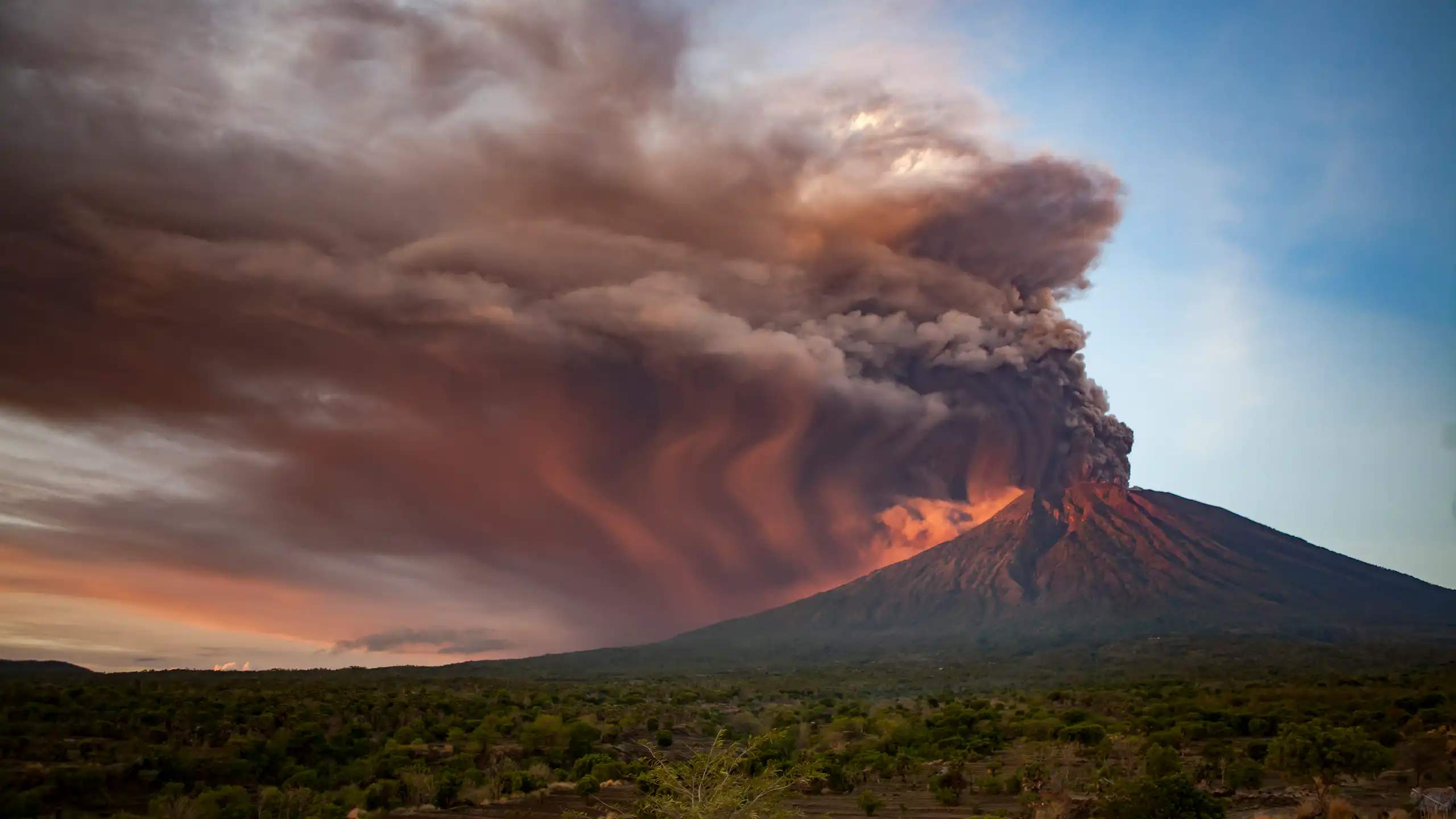
Earlier volcano warnings could mean more false alarms – but they could also save livesAlberto Ardid, University of Canterbury; David Dempsey, University of Canterbury; Garry McDonald, University of Canterbury, and Shane Cronin, University of Auckland, Waipapa Taumata Rau
How underwater ‘booms’ could provide earlier warning of deadly volcanic tsunamisShane Cronin, University of Auckland, Waipapa Taumata Rau and Jose Carlos Borrero, University of Southern California
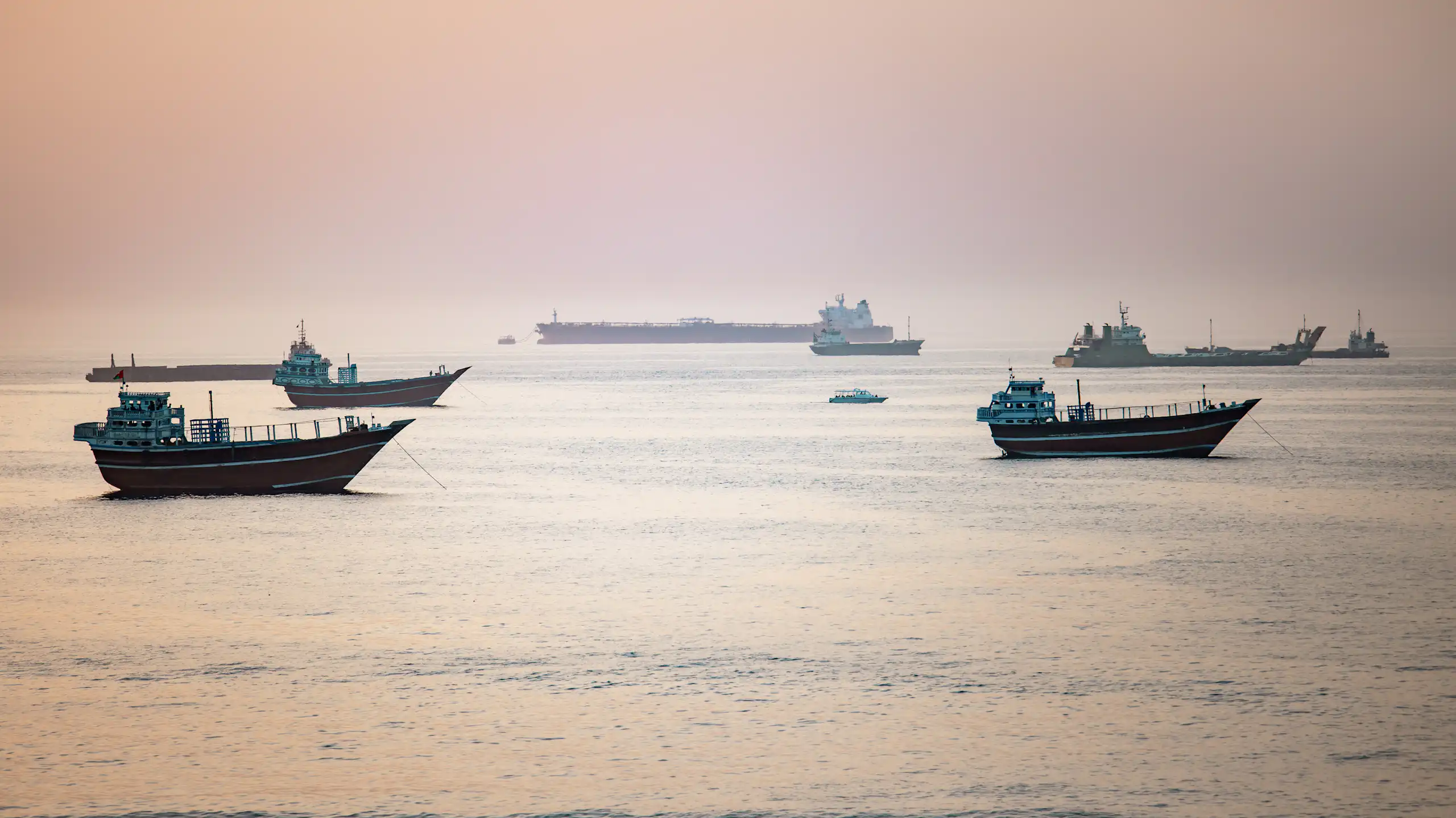
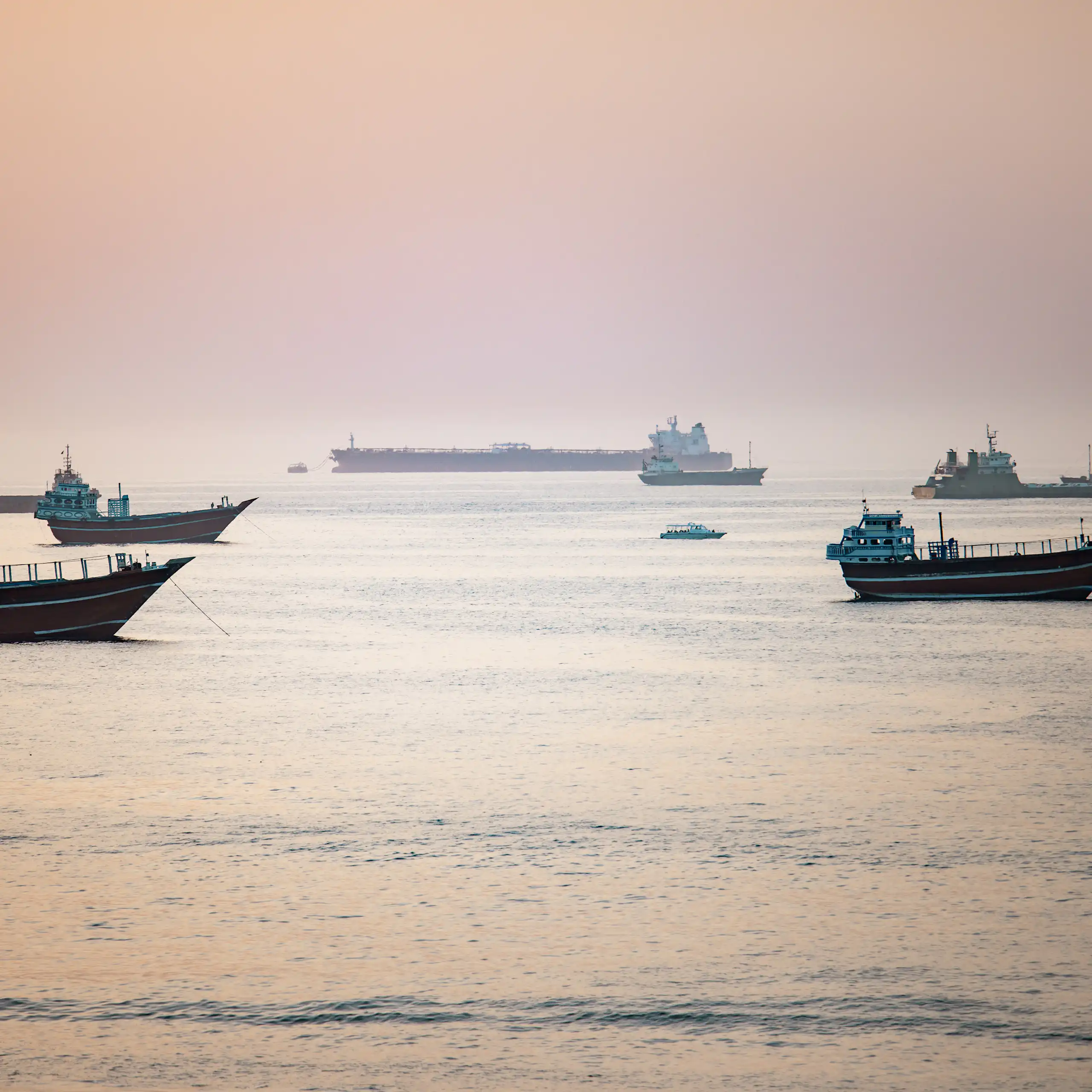
Ships stuck in the Strait of Hormuz region may be biosecurity risks when they leave. What can we do?Chad Hewitt, Lincoln University, New Zealand; Gregory Ruiz, Smithsonian Institution; Ian Davidson, Cawthron Institute, and Mario Tamburri, University of Maryland Center for Environmental Science
NZ’s invasive pest control needs a new approach – starting with local government reformPhilip Hulme, Lincoln University, New Zealand
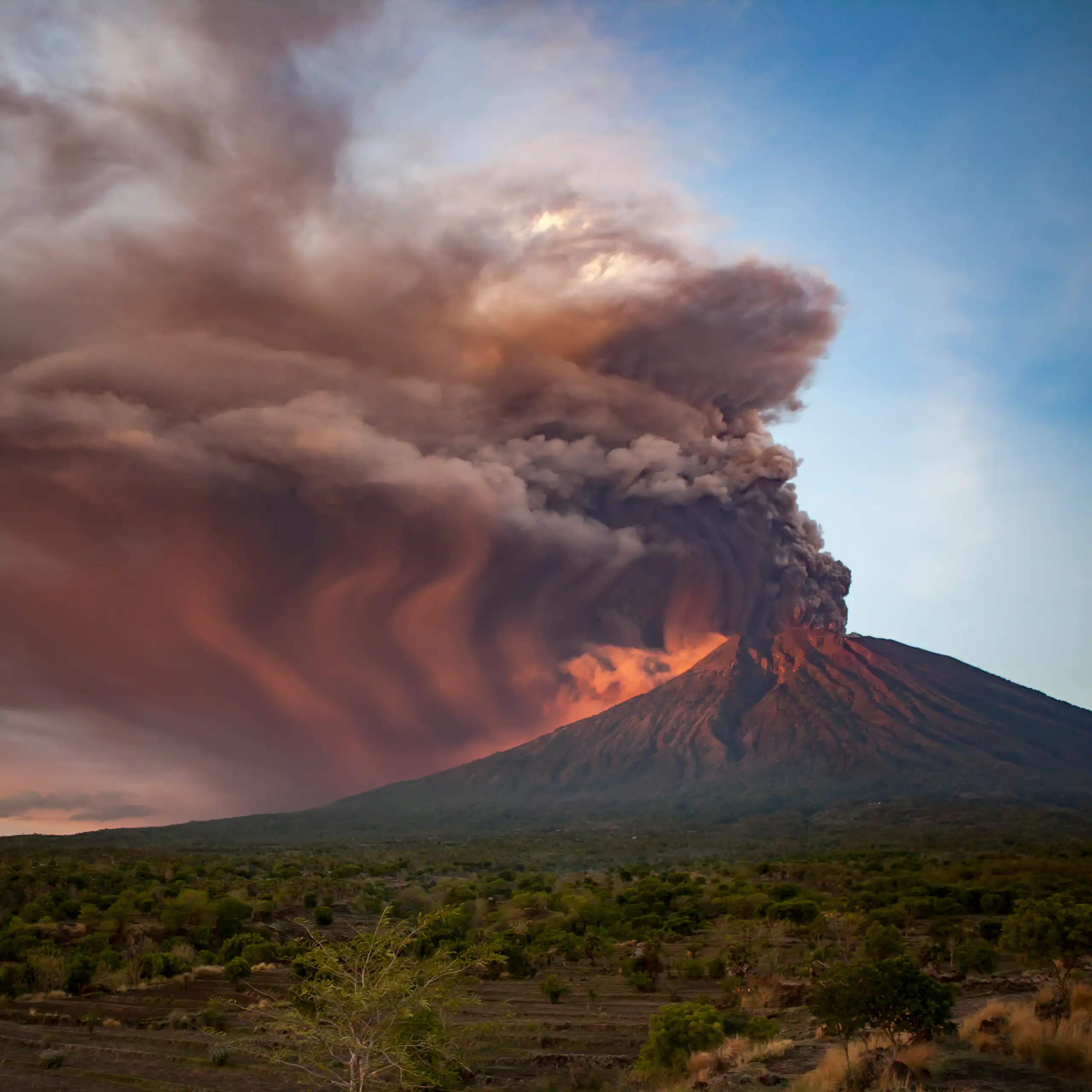
During eruptions, misinformation can spread further than ash. How can we spot it?Janine Krippner, University of Waikato and Heather Handley, Museums Victoria Research Institute; Monash University
NZ has spent years preparing for H5N1 bird flu. For some species, it may not be enoughTammy Steeves, University of Canterbury
How will this year’s record-breaking El Niño affect NZ and the world? 5 things to knowKevin Trenberth, University of Auckland, Waipapa Taumata Rau