
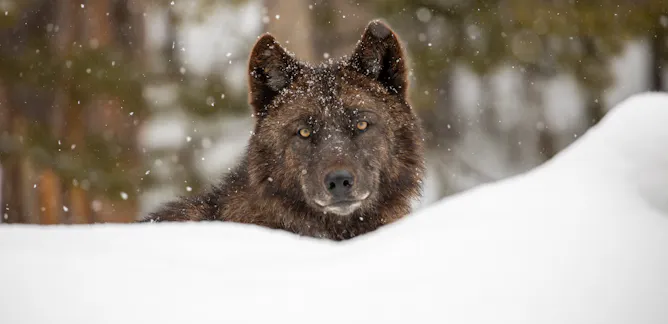
Less than a century ago, Colorado hunted, trapped and poisoned all the wolves within its borders. Today it’s restoring them – a change that reflects a profound shift in human thinking.
University of Montana

Nestled in the heart of western Montana’s stunning natural landscape, the University of Montana (UM) is a place where top-tier students, educators and researchers from across the country and around the globe come and thrive. UM is located in Missoula, Montana’s second-largest city with a population of 80,000 residents. The University draws a diverse population to Missoula and helps cultivate an educated, engaged and vibrant community.
More than 10,000 students attend UM, where they receive a world-class education in a broad range of subjects that include the liberal arts, graduate and postdoctoral study and professional training. Signature programs include Wildlife Biology, Ecology, Creative Writing, Journalism, and the Health Sciences.
Links
Articles
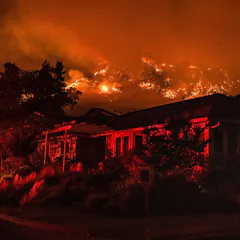
More homes are burning in wildfires in nearly every Western state. The reason? Humans.

Una estudiosa de las tradiciones culturales de Oriente Medio explica la historia y el significado del bisht.

A scholar of Middle Eastern cultural traditions explains the history and significance of the bisht.
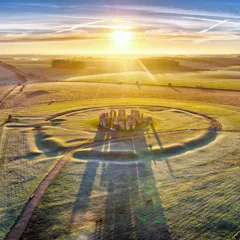
The dead of winter, when the longest night of the year takes place, has also traditionally been celebrated as a time of renewal and reverence.
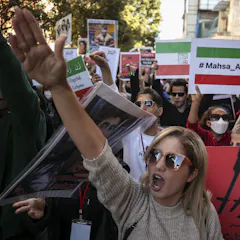
Morality police first appeared in Iran soon after the Islamic Revolution of 1979. But similar forces were present in parts of the Middle East even prior to the date.
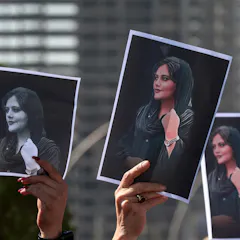
A scholar of Iranian politics explains how Iranians have organized resistance movements for the past several decades while risking arrest and public flogging.
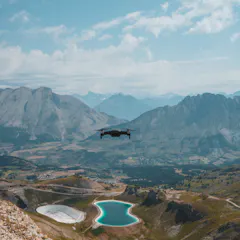
From discovering hidden populations of vulnerable newts to dropping “seed bombs”, two new research papers show how genomics and drones help restore threatened ecosystems.
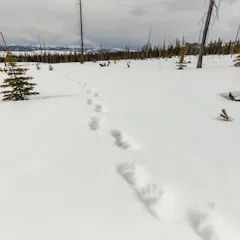
Parks and refuges are important for conservation, but without connections, they’re like islands. Linking them by protecting land in between makes it possible for wildlife to move over bigger areas.
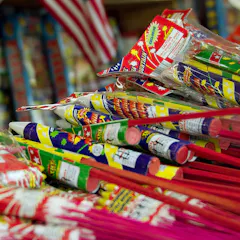
Every year, the number of wildfires caused by humans spikes on Independence Day. There are safer ways to celebrate amid the heat and drought.
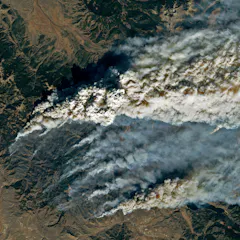
Scientists studied charcoal layers in the sediment of lake beds across the Rockies to track fires over time. They found increasing fire activity as the climate warmed.

What criteria should be used to determine whether a food is natural? What if gene-editing techniques produce changes indistinguishable from those that evolve naturally? Is the food still natural?
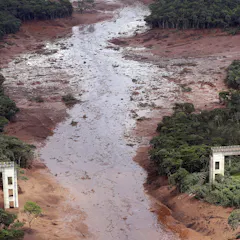
Dams built to hold enormous quantities of toxic mining waste have a long history of spills. Decisions in the Pacific Northwest threaten three free-flowing rivers there.

The Trump administration has proposed a new category that they say will save US$200 million in terminated benefits.

In 1911, lesbians led the nation’s largest feminist organization. They promoted a diverse and inclusive women’s rights movement.
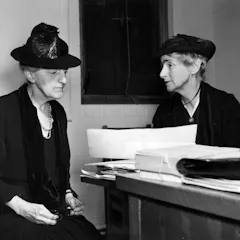
Long before Chasten Buttigieg became a ‘not-so-secret weapon’ in his husband Pete Buttigieg’s presidential campaign, another same-sex couple profoundly reshaped American social policy.
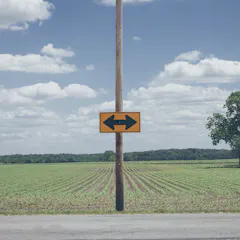
There’s a notable disparity between the rate of employment for people with and without disabilities, especially in certain pockets of the US.
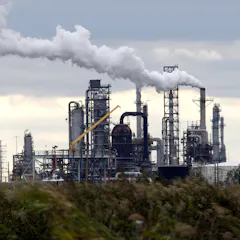
Data gathered from EPA reports, staffers and retirees show the Trump administration has brought fewer environmental enforcement actions to conclusion and deferred more to states.
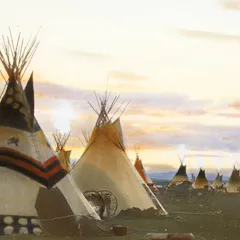
For indigenous peoples, winter solstice has been a time to honor their ancient sun deity. Their rituals reveal a deep understanding of the natural world.
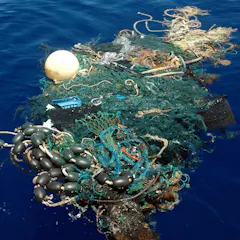
Cleaning up plastic pollution in the ocean is good – and long overdue. But where will the waste go? Recycling isn’t always an option. Bacteria and enzymes could process it, raising new questions.
Authors
-

Associate Professor of Human Dimensions of Natural Resources, University of Montana
-
Regents Professor of History, University of Montana
-
Faculty Affiliate in Wildlife Biology, University of Montana
-
Assistant Clinical Professor of Management, University of Montana
-
Professor of Sociology and Criminology, University of Montana
-
Professor of Integrative Physiology and Athletic Training, University of Montana
-
Clinical Psychologist and Professor of Counseling, University of Montana
-
Ph.D. Student in Wildlife Biology, University of Montana
-
Professor of Marketing, University of Montana
-
Professor of History, University of Montana
-
Professor and Director of the School of Journalism, University of Montana
-
Distinguished Professor of Conservation Biology & Policy, University of Montana
-
Professor of Philosophy, University of Montana
-
Professor of History and African-American Studies, University of Montana
-
Associate Professor of Outdoor Recreation and Wildland Management, University of Montana