
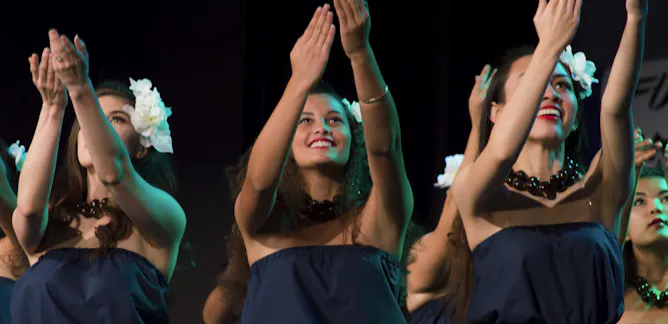
Many Native languages are dying, and their loss has deep and profound implications for our world.
University of Montana

Nestled in the heart of western Montana’s stunning natural landscape, the University of Montana (UM) is a place where top-tier students, educators and researchers from across the country and around the globe come and thrive. UM is located in Missoula, Montana’s second-largest city with a population of 80,000 residents. The University draws a diverse population to Missoula and helps cultivate an educated, engaged and vibrant community.
More than 10,000 students attend UM, where they receive a world-class education in a broad range of subjects that include the liberal arts, graduate and postdoctoral study and professional training. Signature programs include Wildlife Biology, Ecology, Creative Writing, Journalism, and the Health Sciences.
Links
Articles
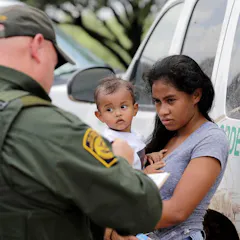
Esta tradición es tan fuerte en EEUU que se alienta a todos los abogados a ofrecer al menos 50 horas de servicio voluntario pro bono al año.
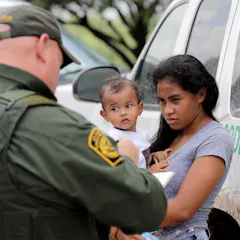
This tradition is so strong in the US that all lawyers are encouraged to volunteer at least 50 hours of pro bono service per year.
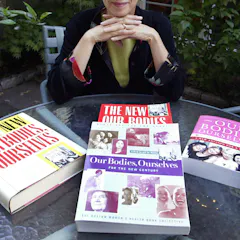
Like their predecessors, today’s feminists can get mired in disagreements over strategies and goals. The celebrated feminist text suggests a more constructive approach.

Democratic Senator Jon Tester of Montana has a moderate image in a state that doesn’t often elect Democrats. But as he faces reelection, his move to torpedo Trump’s VA nominee may threaten that image.
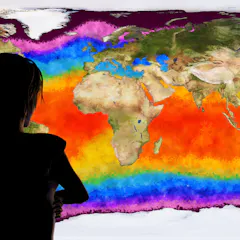
It’s time to admit the age of pristine nature is over. In its place is humanity and planet-shaping technologies, from gene editing to climate engineering. Earth Day in a Synthetic Age.

The Second Amendment was barely taught in constitutional law classes two decades ago. That changed after a 2008 Supreme Court ruling that ensured a federal right to keep and bear arms.
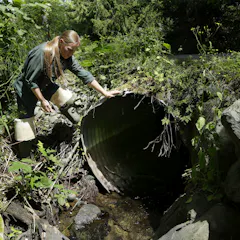
A Supreme Court case deals with the narrow issue of tribal salmon fishing rights in the Northwest, but raises fundamental questions about justice for American Indians.

A legal scholar explains how even in the early days of the republic, Americans struggled to agree on who had the final say on immigration issues.

You can probably hear Hawking’s famously computer-generated voice in your head. His example showed tech as a tool that enables people with disabilities to fully participate in and contribute to the world.

Years after their trials, he got in touch with the victims he thought he had helped. They described feeling ‘dumped’ by the system.

Compared to the average US citizen, American Indians and Alaskan Natives live shorter lives and are at greater risk for a number of health problems.
Predicting human behavior is big business. But science may never be able to do so with perfect certainty.

For medieval cultures, the dying process and death itself was a ‘transition,’ not a rupture.

Think you’ve had the sex talk so now you’re done? Think again.
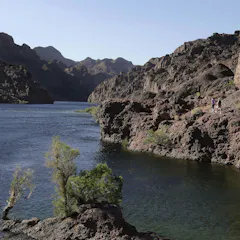
On Indigenous Peoples’ Day, a Native American scholar explains why water means more than just sustenance for life and how it’s the place of the divine.
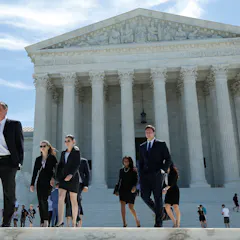
A professor of constitutional law gives a preview of what to expect when the travel ban cases reach the highest court this fall.
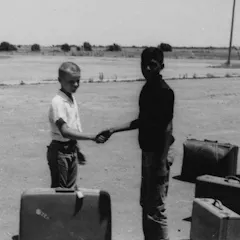
Many urban children who took part in a program that was supposed to enrich their lives dealt with racism instead. Why can’t this cultural exchange become a two-way street?

Teachers are starting to ditch graphing calculators for math apps. Was the expensive tech ever worth it – or is it just holding students back?

The race pitted a singing cowboy against a millionaire software entrepreneur – and it got ugly at the end.
Authors
-

Associate Professor of Human Dimensions of Natural Resources, University of Montana
-
Regents Professor of History, University of Montana
-
Faculty Affiliate in Wildlife Biology, University of Montana
-
Assistant Clinical Professor of Management, University of Montana
-
Professor of Sociology and Criminology, University of Montana
-
Professor of Integrative Physiology and Athletic Training, University of Montana
-
Clinical Psychologist and Professor of Counseling, University of Montana
-
Ph.D. Student in Wildlife Biology, University of Montana
-
Professor of Marketing, University of Montana
-
Professor of History, University of Montana
-
Professor and Director of the School of Journalism, University of Montana
-
Distinguished Professor of Conservation Biology & Policy, University of Montana
-
Professor of Philosophy, University of Montana
-
Professor of History and African-American Studies, University of Montana
-
Associate Professor of Outdoor Recreation and Wildland Management, University of Montana