

The Murdoch outlets said they would pursue ‘positive stories’ on climate change. An analysis of stories during the recent floods, however, shows this wasn’t necessarily the case.
University of Adelaide

The University of Adelaide unites and serves those striving to change the world—and themselves—for the better. It’s a place where history is made.
Established in 1874, we’re home to over 29,000 students and 3,000 staff, all working to create progress. For our community. For all.
This is a university of outstanding quality—ranked among the top 1% globally—in the heart of Australia’s most liveable city*.
We’ve made a habit of breaking new ground. We were Australia’s first university to welcome female students. The first to offer degrees in science and business. The first with a conservatorium of music.
Among those who’ve studied, taught, or conducted research here are five Nobel Laureates; Australia’s first female prime minister; the first Australian astronaut to walk in space; Australia’s first female Supreme Court judge.
And our bold spirit continues to drive us to excel today. In research, we’re rising to challenges in a huge range of fields—with work universally rated world-standard or above. While in education, we’re recognised among the top 100 universities globally in 23 different subject areas†.
We can’t wait to see what’s next.
*Economist Intelligence Unit, 2021. Excellence in Research Australia, 2018. †Total unique entries across QS World University Rankings by Subject, and Academic Ranking of World Universities by Subject, 2021.
Links
Articles
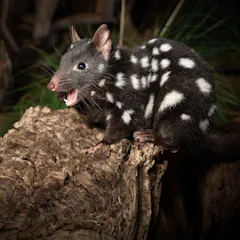
The 1878, the body of Sergeant Michael Kennedy lay in the bush in Victoria’s Wombat Ranges. He’d been shot by the notorious Ned Kelly gang – but the bush would add its own gruesome ending.

Controlling for other factors, the mental health cost of renting can be eliminated through longer tenure and greater security.

The EU, UK and US hold considerable leverage, but they need to make complex calculations about how to use it.

This is a transcript of The Conversation Weekly podcast episode published on January 27 2022.
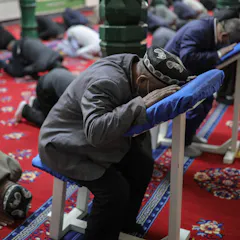
Plus, what toxic heavy metals are lingering in household dust around the world? Listen to The Conversation Weekly podcast.

Il est souvent difficile de savoir ce qui se passe dans la tête d'un chat, voici quelques conseils pour tenter de mieux les comprendre.

Although they work in different genres, a similar sense of restraint imbues the work of each.

Genetic testing of embryos during IVF doesn’t increase the odds of having a baby. But there are a number of downsides, including cost.
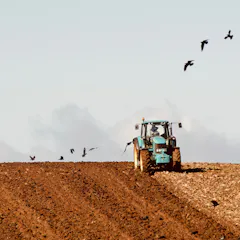
Soil underpins Australia’s economy – yet since Europeans arrived, the natural asset has steadily been degraded. A new national plan aims to change that.
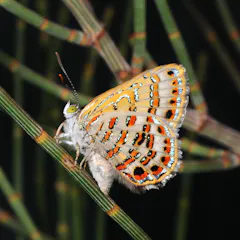
There’s still a very good chance of recovery for most of these species, but only with new targeted conservation effort.
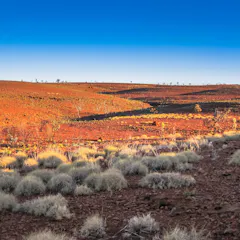
Our research looked at deaths in Australia between 1968 and 2018. While more people tend to die in winter than summer, this gap is narrowing – and that’s a worry.
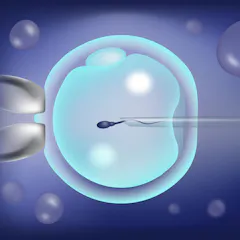
Our new study shows a widely used fertility treatment, known as ICSI, is no better than standard IVF for most people. Yet, it’s being routinely offered around the world.
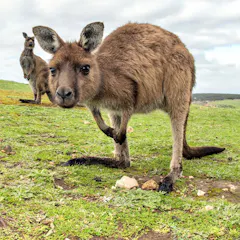
If a bill before the US Congress succeeds, it would further suppress global demand for kangaroo products and lead to more animal suffering, not less.

It’s essential to save the steelworks, but that
s just the start.

In criminology, there are many theories to account for why men are more likely than women to commit crimes – and they may hold the key to changing those figures.

The ancestors of modern-day people living on Southeast Asian islands likely interbred with a prehistoric species called Denisovans - raising the possibility of fresh and intriguing fossil discoveries.
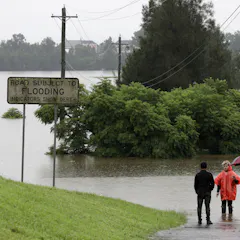
In any given year, there’s a 1% chance of a ‘once in a century’ flood. But that doesn’t mean they can’t happen more than once in quick succession.
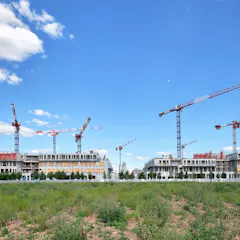
World-leading university campus developments overseas call into question plans for CBD-based campuses in Australia. They might be good for CBD development, but what about the universities themselves?

More than 90% of universities in the world have been built since 1949. The vast majority built large campuses outside city centres, and all for much the same reasons.
Authors
No experts from University of Adelaide have registered yet.