

One in seven Australian households is in a state of housing need. A shortfall in social housing supply means some are locked out of the market and others pay much more for rent than they can afford.
University of Adelaide

The University of Adelaide unites and serves those striving to change the world—and themselves—for the better. It’s a place where history is made.
Established in 1874, we’re home to over 29,000 students and 3,000 staff, all working to create progress. For our community. For all.
This is a university of outstanding quality—ranked among the top 1% globally—in the heart of Australia’s most liveable city*.
We’ve made a habit of breaking new ground. We were Australia’s first university to welcome female students. The first to offer degrees in science and business. The first with a conservatorium of music.
Among those who’ve studied, taught, or conducted research here are five Nobel Laureates; Australia’s first female prime minister; the first Australian astronaut to walk in space; Australia’s first female Supreme Court judge.
And our bold spirit continues to drive us to excel today. In research, we’re rising to challenges in a huge range of fields—with work universally rated world-standard or above. While in education, we’re recognised among the top 100 universities globally in 23 different subject areas†.
We can’t wait to see what’s next.
*Economist Intelligence Unit, 2021. Excellence in Research Australia, 2018. †Total unique entries across QS World University Rankings by Subject, and Academic Ranking of World Universities by Subject, 2021.
Links
Articles
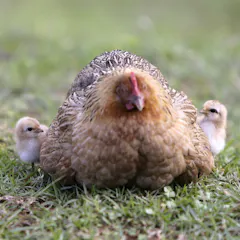
After Snowdale Holdings was penalised A$1 million for lying about their eggs being free-range, here are some tips on getting what you pay for in the supermarket.
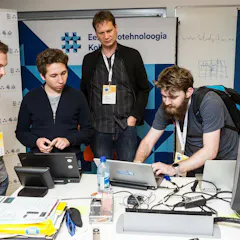
Cyber Security Summer School is a chance for researchers to test their skills during live penetration testing.

Compensating executives with stock options doesn’t necessarily lead to more risk taking and higher dividend payouts.

The music of Dr G. Yunupiŋu, who has died at just 46, draws strength and inspiration from Manikay, the sacred song tradition performed by the Yolŋu when conducting public ceremonies.
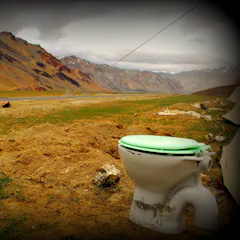
Modern sewerage infrastructure, exported from Britain to the globe, is entirely dependent on water. In a world of growing climate extremes, it’s time to look beyond this colonial legacy.
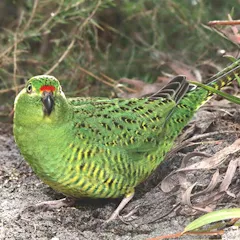
With the right approach to data security, scientists’ discoveries of the locations of rare and sought-after species needn’t leave a trail for poachers to follow.

If companies are using automated software in hiring, then job applicants should be able to use the same technology.
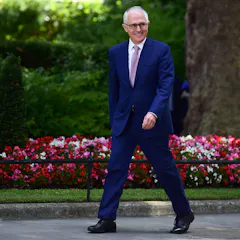
Malcolm Turnbull’s claim that Robert Menzies’ party was meant to be one of the ‘sensible centre’ has some validity – but it may also be that that centre has shifted significantly, too.
If you have bought an Aldi “The Spiral Spring Mixer Tap” you should not use water from it for drinking or cooking until investigations of reported lead contamination is complete. What we know The media…
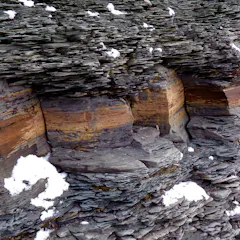
Gas buried in the Northern Territory’s Velkerri Shale was produced in a “slime world” that existed nearly a billion years before the first complex life on Earth evolved.

Focusing on the gender wage gap means we don’t address increasing insecure work. Women face both higher unemployment and underemployment rates than men.
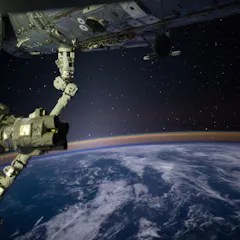
Who is responsible for space debris? What laws should apply to humans living on another planet? Who has rights to mine asteroids? The Outer Space Treaty needs an update to address such questions.

Until we safeguard every child from all forms of violence, opposition to genital cutting will not be an Australian value.

A widely publicised study that cast doubt on the safety of milk formula was misleading, based on dubiously reported studies and may have serious consequences.

There may be some benefits to public hospitals treating more private patients.
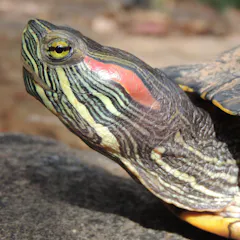
Exotic pets may rank highly on the novelty and excitement scale, but little is known about their ownership in Australia.
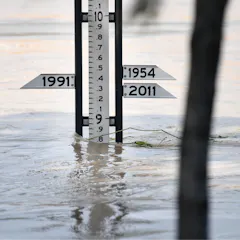
Analysis of flood gauge data suggest that floods are becoming less frequent in many parts of the world. Despite that, more people and property are at risk, particularly in developing countries.
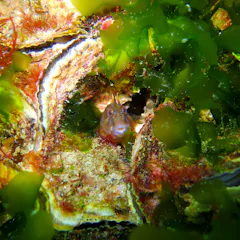
In colonial times Australia’s waters were teeming with mud oysters that provided food, cement, and cleaned the oceans. Now a 20-hectare man-made reef aims to restore some of their former glory.

You would not recognise Earth if you saw it 500 million years ago - the lands, oceans, climate and life were all very different. Scientists now have a new map of the deep history of Earth.
Authors
No experts from University of Adelaide have registered yet.