

Contact languages are widely spoken by many First Nations children. These languages must be recognised and valued in the classroom to better meet students’ learning needs.
The University of Melbourne

The University of Melbourne is a global leader in higher education. Across our campuses we convene brilliant minds from different disciplines and sectors to come together to address important questions and tackle grand challenges. In a disrupted world, that capacity has never been more important.
Our vision is to equip our students with a distinctive, future-facing education personalised around their ambitions and needs, enriched by global perspectives and embedded in a richly collaborative research culture. As active citizens and future leaders, our students represent our greatest contribution to the world, and are at the heart of everything we do.
We serve society by engaging with our communities and ensuring education and research are inspired from the outset by need and for the benefit of society, while remaining committed to allowing academic freedom to flourish. In this, we remain true to our purpose and fulfil our mission as a public-spirited organisation, dedicated to the principles of fairness, equality and excellence in everything we do.
We strive for an environment that is inclusive and celebrates diversity.
Beyond our campuses we imagine an Australia that is ambitious, forward thinking and increasing its reputation and influence globally. We are committed to playing a part in achieving this – building on our advantageous location in one of the world’s most exciting cities and across the state of Victoria, in a region rapidly becoming a hub for innovative education, research and collaboration.
Links
Articles
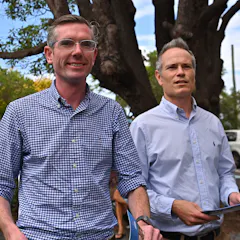
Labor had a win in Bega and held Strathfield, while the Nationals held Monaro while the Liberals may hold off an independent challenger in Willoughby.
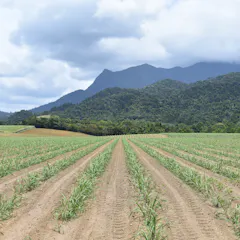
Threatened species don’t just live in national parks. Almost half of their distributions are on private land.
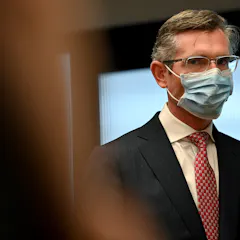
NSW will conduct four byelections this weekend, while the Essential poll has better news for the Coalition.
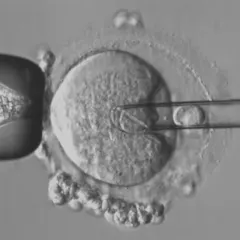
Parents at risk of passing on genetic disease to their children via mutations in the mother’s mitochondrial DNA could soon use a new IVF-based treatment involving healthy donor mitochondria.
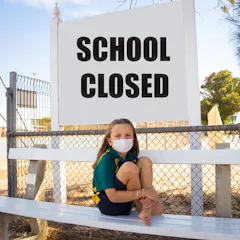
The plans to keep schools open through the wave of Omicron infections fail to take into account the particular challenges of staffing rural and remote schools.
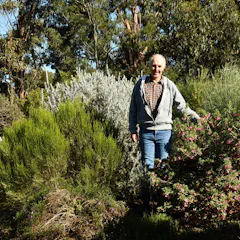
Without these older Australians, my research wouldn’t be where it is today. So let’s meet a few of them.

After 37 years and nearly 9,000 episodes, Neighbours could be coming to an end.

Our study found encouraging people to do their own research comes with risks – including shifting too much responsibility onto the individual.

Does Australia benefit from Google paying for News Corp training?
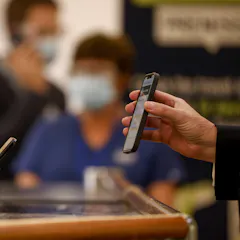
The arrival of the highly infectious Omicron variant has changed the COVID landscape in Australia. We asked 5 experts whether it’s time to rethink vaccine mandates for dining, fitness and events.
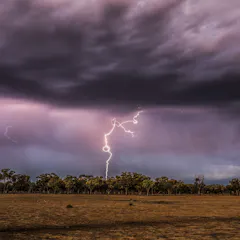
Some trees explode into bits when lightning strikes. Some seem fine and die later. But others are unaffected.
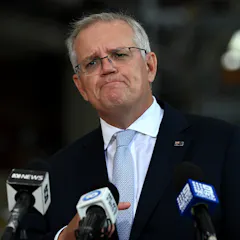
There are key ethical questions journalists must ask themselves - and be able to answer - in situations such as this.

New research finds Queensland’s laws fail to protect private conservation areas from the hidden impacts of mining on groundwater.
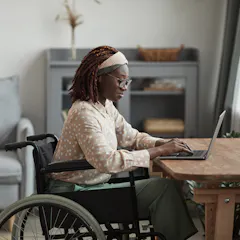
While men and women experience disability at similar rates, men are more likely to be diagnosed with disabilities that are more straightforward to gain access to the NDIS for.

Devalued and paid significantly less than nurses, it’s no wonder Australia’s aged care workforce have had enough.
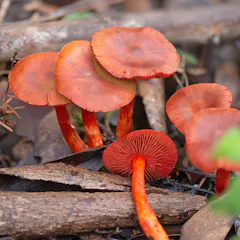
Fungi come in a beautiful diversity of shapes, sizes and colours. See stunning photos of those growing in southwest Australia.
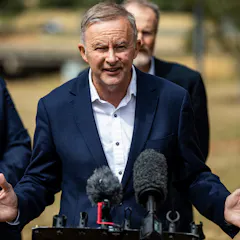
Latest polling shows a dramatic slump in voters’ views of the Morrison government, and with an election likely in May, the question now is whether that will change in the coming months.
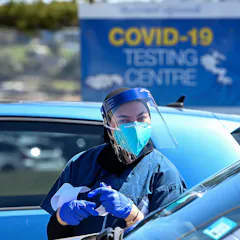
Infection seems to add a boost to immunity – but vaccination is still vital and breakthrough infections should be avoided as much as possible.

Just because we’re in a period of social change, doesn’t mean we have to lose momentum on sustainability. There are six things we can do right now to offset our daily waste from disposable masks.
Authors
-

Election Analyst (Psephologist) at The Conversation; and Honorary Associate, School of Mathematics and Statistics, The University of Melbourne
-
Guest Research Fellow, School of Computing and Information Systems, The University of Melbourne
-
Professor of Sociology of Law and Deviance, Università di Bologna; University of Essex; The University of Melbourne
-
McKenzie Research Fellow, The University of Melbourne
-
Research assistant, Movember Institute of Men's Health, The University of Melbourne
-
Senior Research Associate, School of Agriculture, Food and Ecosystem Sciences, The University of Melbourne
-
Paleontologist, The University of Melbourne
-
Senior Lecturer, Centre for Advancing Journalism, The University of Melbourne
-
Research Fellow, Centre for Youth Mental Health, The University of Melbourne
-
Deputy Vice-Chancellor (Global, Culture and Engagement), The University of Melbourne
-
Emeritus professor, History, The University of Melbourne
-
Professor of Health Economics, The University of Melbourne
-
Associate Professor and Head, Behavioural Neuropharmacology Laboratory, The University of Melbourne
-
Lecturer in History, The University of Melbourne
-
Associate Professor, Centre for Youth Mental Health, The University of Melbourne