

New research shows the choices we make, and our perceptions of the world, are biased by our initial impressions.
The University of Melbourne

The University of Melbourne is a global leader in higher education. Across our campuses we convene brilliant minds from different disciplines and sectors to come together to address important questions and tackle grand challenges. In a disrupted world, that capacity has never been more important.
Our vision is to equip our students with a distinctive, future-facing education personalised around their ambitions and needs, enriched by global perspectives and embedded in a richly collaborative research culture. As active citizens and future leaders, our students represent our greatest contribution to the world, and are at the heart of everything we do.
We serve society by engaging with our communities and ensuring education and research are inspired from the outset by need and for the benefit of society, while remaining committed to allowing academic freedom to flourish. In this, we remain true to our purpose and fulfil our mission as a public-spirited organisation, dedicated to the principles of fairness, equality and excellence in everything we do.
We strive for an environment that is inclusive and celebrates diversity.
Beyond our campuses we imagine an Australia that is ambitious, forward thinking and increasing its reputation and influence globally. We are committed to playing a part in achieving this – building on our advantageous location in one of the world’s most exciting cities and across the state of Victoria, in a region rapidly becoming a hub for innovative education, research and collaboration.
Links
Articles

A youth-focussed exhibition about experiences of mental health is interactive and expansive, kicking down the barriers between science and art.

A new approach to urban planning is needed to restore hope in African cities. There are three keys that can help unlock this.
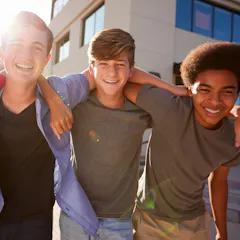
Evidence suggests the development of a person’s sexuality begins before they are born.
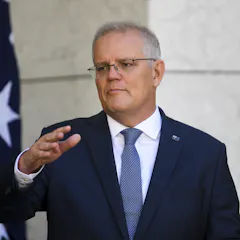
It’s the first time since Resolve began doing its monthly surveys last April that Labor has been ahead of the Coalition on primary votes.
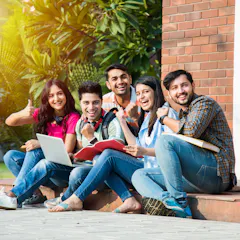
Research on the experience of Indian international students shows the importance of strong social networks for a productive and fulfilling time in Australia.
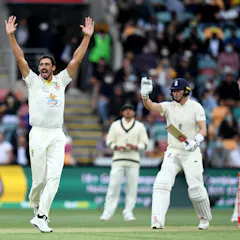
Companies may be using the positive impacts of sport to divert attention from their roles in furthering climate change.

As women’s relationship with work and career has changed, so too has the relationship with parenting. What women need now is more targeted support in raising children.

Extreme heat over 50°C is likely to become more common, giving us yet another reason for Australia to act fast on climate change.

Keeping an eye on your oxygen levels at home can give you early warning your COVID is deteriorating.
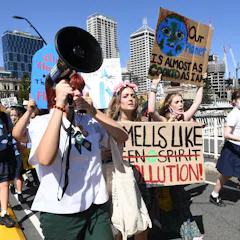
Addressing urgent and complex problems such as climate change involves research across the full spectrum of society – and that includes Australia’s young people.
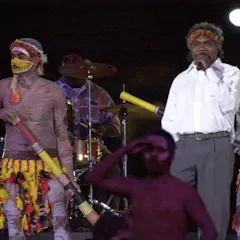
A new book exploring the history of Yothu Yindi examines the influential band’s humane vision of mutual respect and harmony.
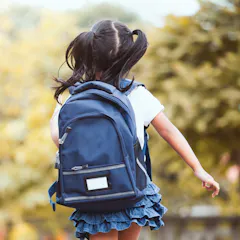
Children are not the primary drivers of Omicron. And for the majority of children, COVID has been a mild disease. But there are many known harms from school closures.
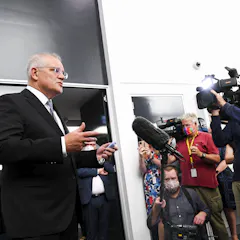
The prime minister’s media strategy, focusing on selling his message through ‘friendly’ outlets, is showing signs of unravelling.
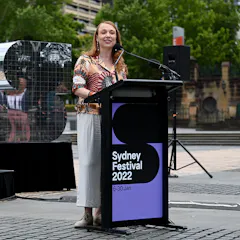
Artists are some of the poorest people in our community, and yet are prepared to forgo their limited income to support fellow artists from other countries – in this case Palestine.

A total eclipse that travelled the full width of Australia in 1922 offered astronomers the chance to confirm Einstein’s theory of general relativity - and for the community to enjoy a rare spectacle.
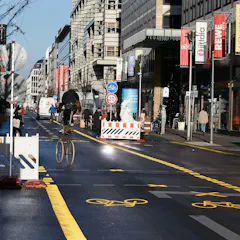
Residents across the world have seen how the pandemic has ushered in changes – shall and big – to the way their cities look and function.
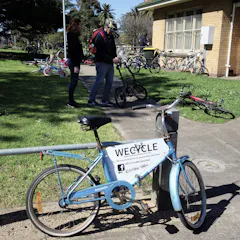
Building a culture of cycling is essential, especially where bike use is low. A global movement of community bike workshops, also known as bike kitchens, can help.
The pandemic increased housework and childcare for women. It also exacerbated the work that keeps households and families running: the mental load.

Is a science kit, some Lego, or building blocks best for fostering kids’ STEM skills and creativity? Fear not – it’s not what’s in the box, but what happens after you open it, that’s most important.
Authors
-

Election Analyst (Psephologist) at The Conversation; and Honorary Associate, School of Mathematics and Statistics, The University of Melbourne
-
Guest Research Fellow, School of Computing and Information Systems, The University of Melbourne
-
Professor of Sociology of Law and Deviance, Università di Bologna; University of Essex; The University of Melbourne
-
McKenzie Research Fellow, The University of Melbourne
-
Research assistant, Movember Institute of Men's Health, The University of Melbourne
-
Senior Research Associate, School of Agriculture, Food and Ecosystem Sciences, The University of Melbourne
-
Paleontologist, The University of Melbourne
-
Senior Lecturer, Centre for Advancing Journalism, The University of Melbourne
-
Research Fellow, Centre for Youth Mental Health, The University of Melbourne
-
Deputy Vice-Chancellor (Global, Culture and Engagement), The University of Melbourne
-
Emeritus professor, History, The University of Melbourne
-
Professor of Health Economics, The University of Melbourne
-
Associate Professor and Head, Behavioural Neuropharmacology Laboratory, The University of Melbourne
-
Lecturer in History, The University of Melbourne
-
Associate Professor, Centre for Youth Mental Health, The University of Melbourne