

Many factors can influence people to evacuate or stay in place when disasters threaten. New research using Facebook posts suggests that people with broad social networks are more apt to move.
Stanford University

Located between San Francisco and San Jose in the heart of Silicon Valley, Stanford University is recognized as one of the world’s leading research and teaching institutions. Stanford is particularly noted for its openness to multidisciplinary research, not only within its schools and departments, but also in its laboratories, institutes, libraries and research centers.
Links
Articles

Growth mindset interventions work as well as many educational programs, at a fraction of the cost. And they are just in their infancy, says the Stanford researcher who developed mindset theory.

Last summer one of Antarctica’s floating ice shelves calved an iceberg the size of Delaware – but scientists say other less dramatic changes reveal more about how and why Antarctica is changing.
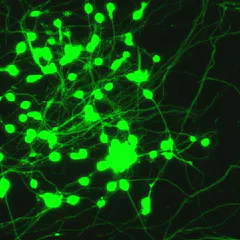
Figuring out what causes diseases like autism, schizophrenia and depression is tricky. Now Stanford University researchers are turning blood into brain cells to study these diseases in a dish.

Researchers found stark differences in child mental health and infant mortality rates, depending on whether immigrant mothers were covered by inclusive policies or not.
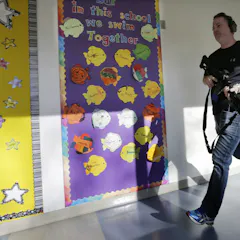
While emergency drills may help schools feel safer, they contain underlying and often unintended moral messages about the nature of school and life itself.

Continental free trade area’s potential impact includes boosting intra-Africa trade, manufacturing exports, job creation and poverty alleviation.

Using ‘humanized mice,’ researchers found more evidence that a widely used contraceptive may make women more susceptible to HIV infection.

Despite scientists’ initial concerns, federal climate change data sets are still available. But other documents and web pages have changed over the last year.

Efforts to curb railroads’ monopoly power in the 19th century hold lessons for 21st-century policymakers and internet giants alike.

The long-awaited $1.5 trillion plan fails to address some major obstacles to private investment.

The $1.5 trillion plan he’s proposing would do the most for ventures that don’t really need the government’s help and ignores some major obstacles to private investment.

A new analysis shows how family background influences who grows up to invent. The key to turning things around? Expose kids to more inventors.

We asked four of our regular economics writers to examine a key theme they expect to flare up in 2018 and why.

After three years in which global carbon emissions scarcely rose, 2017 has seen them climb by 2%, as the long-anticipated peak in global emissions remains elusive.

Slaves were involved in medical experimentation in the 1700s – both as sources of knowledge and as nonconsenting participants.
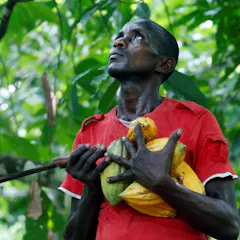
There are rising concerns that rapid deforestation across the Amazon and Southeast Asia could spread to Africa. The continent hasn’t yet seen vast agricultural expansion but it could be on the way.

Mass shootings like the one at a GOP baseball game are more common in the US than in other industrialized nations. And they are getting more frequent and more deadly.

Good governance made infrastructure asset recycling a success in New South Wales. What would it take to make it work in the United States?

The health care bill recently passed by the House imposes big cuts to the underfunded Medicaid program. A new approach is needed, starting with the best ideas of both parties.
Authors
-

Senior Research Scholar at the Center for International Security and Conflict, Stanford University
-
Ph.D. Candidate in Finance, Stanford University
-
Doctoral Candidate, Stanford University
-
Research Scholar, Indo-Pacific Security, Stanford University
-
Deputy Director, Center for Ocean Solutions, Stanford University
-
Professor of Behavioral Sciences, Stanford University
-
Clinical Associate Professor of Infectious Diseases, Stanford University
-
Professor of Bioengineering and of Psychiatry and Behavioral Sciences, Stanford University
-
Professor of Computer Science, Stanford University
-
Research Affiliate, Stanford Graduate School of Business, Stanford University
-
Science Communicator, Stanford University
-
Former Stanford Impact Labs Postdoctoral Fellow, Stanford University
-
Emeritus Professor of Education, Stanford University
-
Associate Scientist, SLAC Computational Beamline, Stanford University
-
Professor of Particle Physics and Astrophysics, Physics Department, Stanford University