
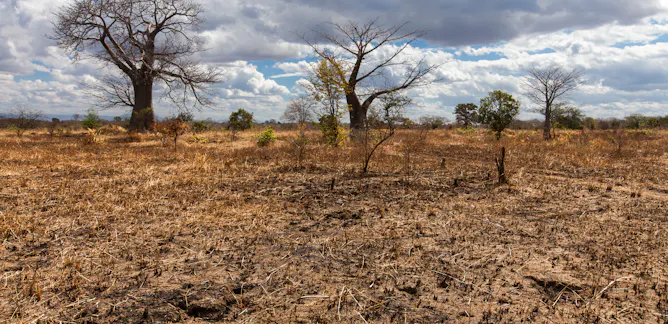
Governments in southern Africa don’t invest enough in weather forecasting and fail to work together to prepare for natural disasters, leaving the most vulnerable exposed to successive droughts.
London School of Hygiene & Tropical Medicine

The London School of Hygiene and Tropical Medicine aims to improve health and health equity in the UK and worldwide; working in partnership to achieve excellence in public and global health research, education and translation of knowledge into policy and practice.
The School’s multidisciplinary expertise includes clinicians, epidemiologists, statisticians, social scientists, molecular biologists and immunologists. They work with partners worldwide to support the development of teaching and research capacity, and their alumni work in more than 180 countries.
Links
Articles
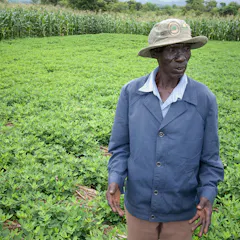
Just three plant species – wheat, maize and rice – account for 60% of all food eaten globally. A crop science expert argues that many of Africa’s 30,000 edible plants must be revived.

Evidence shows austerity has wide-ranging consequences for health.
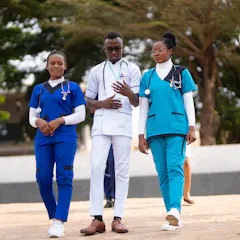
Health workers with relatives in positions of power were frequently absent from work.
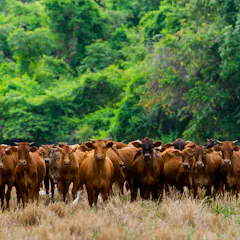
Infectious diseases originating in wild animals are high and may be increasing. This is a sign that ecosystem degradation is undermining the planet’s capacity to sustain human wellbeing.
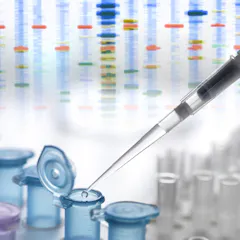
A new study hopes to produce a catalogue of human genetic variation and assess the burden of noncommunicable diseases in 100,000 adults in Nigeria.

The clue is in your poo. Two experts explain the history and science behind wastewater surveillance.

We expected to find that screening everybody for TB would identify individuals not yet diagnosed, and treating them quickly would reduce the prevalence of TB in the community.

Kedua penelitian kami mengkonfirmasi bahwa pertanian terkait dengan peningkatan penularan malaria di Afrika.

New research quantifies the link between agricultural practices and malaria transmission in sub-Saharan Africa.

Framing vaccines as an infringement of liberty is a powerful tactic, but obscures health and political factors that may actually drive resistance.
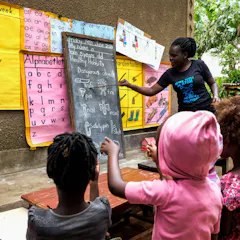
Emerging evidence shows that, for young people, the effects of COVID on education have already been devastating.
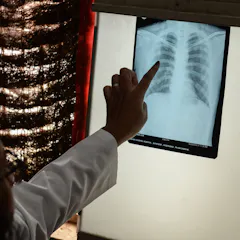
Manufacturers and health systems have shown that vaccines can be quickly and effectively deployed when accompanied by keen political and financial commitments.

Curfews are associated with a long history of racism and prejudice.

To attain a new health order, African governments need to bolster investment in research and development, innovation and manufacturing of health tools.
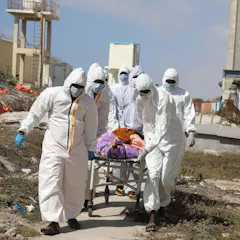
Satellite imagery can help to get data in fragile, crisis-affected situations.

El comportamiento de la población y las intervenciones gubernamentales fueron los impulsores más importantes en la reducción de la transmisión del virus durante la primera ola de la pandemia.
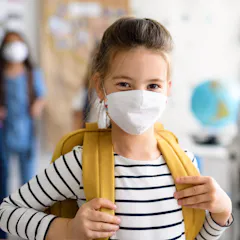
Menos del 2% de los niños que padecieron la enfermedad causada por el SARS-CoV-2 seguía teniendo síntomas después de ocho semanas.
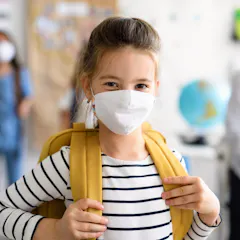
Fewer than 2% of children with COVID-19 still had symptoms after eight weeks.
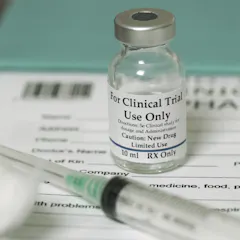
A new network of public clinical trials institutes is urgently needed to replenish the empty pipeline for new antibiotics.
Authors
-

Associate professor, London School of Hygiene & Tropical Medicine
-
Professor in Health Systems and Policy, London School of Hygiene & Tropical Medicine
-
Associate Professor in Anthropology and Public Health, London School of Hygiene & Tropical Medicine
-
Professor Infectious Diseases and International health, London School of Hygiene & Tropical Medicine
-
PhD Candidate, Agriculture and Infectious Disease, London School of Hygiene & Tropical Medicine
-
Professor of Social Epidemiology, London School of Hygiene & Tropical Medicine
-
Associate Professor, London School of Hygiene & Tropical Medicine
-
Lecturer in Biomedical Science, University of East London; London School of Hygiene & Tropical Medicine
-
Associate Professor, Environment and Health (MRCG@LSHTM); Senior Lecturer (Ecological Health, Imperial College London), London School of Hygiene & Tropical Medicine
-
Research Fellow, London School of Hygiene & Tropical Medicine
-
Professor of European Public Health, London School of Hygiene & Tropical Medicine
-
Assistant Professor of Nutrition-Sensitive Agriculture, London School of Hygiene & Tropical Medicine
-
Professor of Climate Change, Food Systems and Health and Director of The Lancet Countdown in Africa, London School of Hygiene & Tropical Medicine
-
Assistant professor, London School of Hygiene & Tropical Medicine
-
Professor of Health Economics, Global Health Economics Centre, London School of Hygiene & Tropical Medicine