
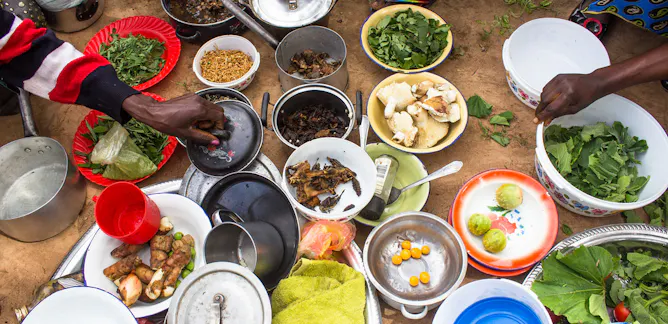
Millions of people in west Africa and the Sahel region face starvation.
International Food Policy Research Institute (IFPRI)

The International Food Policy Research Institute (IFPRI) provides research-based policy solutions to sustainably reduce poverty and end hunger and malnutrition in developing countries. Established in 1975, IFPRI currently has more than 600 employees working in over 50 countries. It is a research center of the CGIAR Consortium, a worldwide partnership engaged in agricultural research for development.
Vision and Mission
IFPRI’s vision is a world free of hunger and malnutrition. Its mission is to provide research-based policy solutions that sustainably reduce poverty and end hunger and malnutrition.
Links
Articles
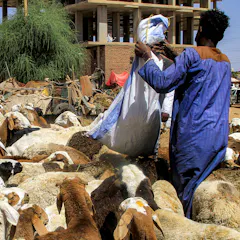
Armed actors in fragile contexts typically engage in sectors where they can quickly extract profits.
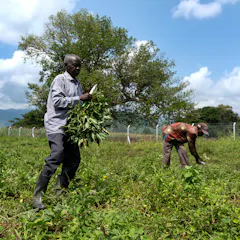
African farmers face rising climate disasters that destroy crops and livestock. The G20 must champion new, affordable tech-based insurance for them.
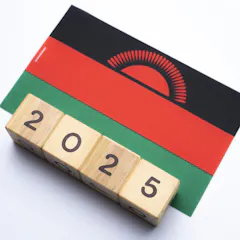
After the elections, Malawi’s government will need to confront deep-rooted structural challenges to secure lasting food security and drive inclusive economic growth.
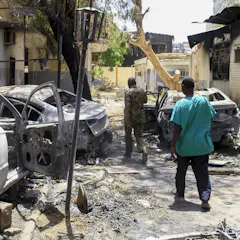
If the conflict endures, the value of Sudan’s economy will contract by up to 42% – with 7 million more people falling into poverty.
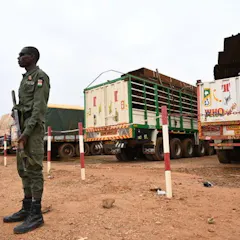
Le coût d'une alimentation quotidienne nutritive au Burkina Faso, au Mali et au Niger est 110 % plus élevé que le salaire minimum journalier en Afrique de l'Ouest.

The cost of a daily nutritious diet in Burkina Faso, Mali and Niger is 110% higher than the west African region’s daily minimum wage.
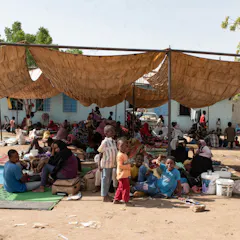
Sudan is the site of one of the world’s worst humanitarian crises, with around 25 million people in need of urgent assistance.
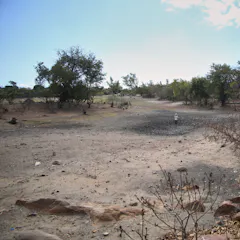
The drought is driven by El Niño, an unusual warming of surface waters in the eastern tropical Pacific Ocean that shifts weather patterns.
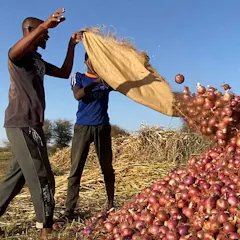
Despite its stark reality, there is a potential path forward for Sudan if peace can be found.

There is a high risk of famine in multiple regions of Sudan if immediate action is not taken.
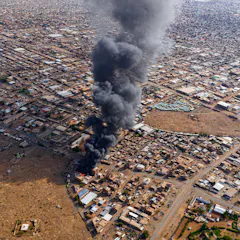
Rural households are especially hard hit by food shortages due to disrupted farming, limited access to markets and soaring food prices.

The El Niño drought in Malawi decimated the maize harvest this year. It has left the country with few options other than importing food.
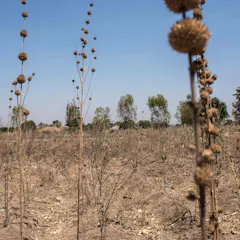
Food security experts recommend that rural farmers in Malawi be given access to irrigation systems to free them from reliance on rain, and find ways outside farming to earn an income.

School meals should strive to provide nutritious diets by serving diverse, safe, palatable, and locally available foods.

After almost half a century, the United Nations has waded back into the murky world of water policy. But one of the ideas following this year’s international meeting has been shot down.
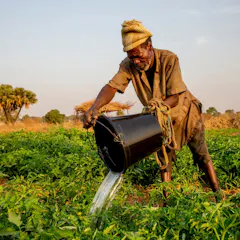
The relationship between small-scale irrigation and food security, diet quality, and nutrition is growing.
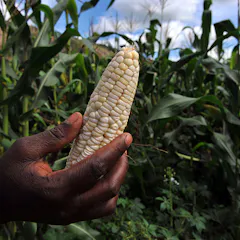
If small-scale farmers can’t afford to grow certified seeds – or can’t find them – food shortages would follow.
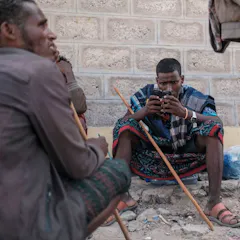
Our work highlights the potential of phone surveys to monitor active and large-scale conflicts.
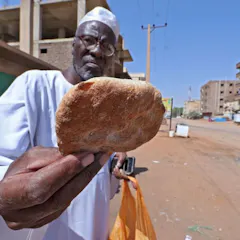
Wheat and bread play a central role for food security and political stability in Sudan.
Authors
-

Senior Research Fellow in the Markets, Trade, and Institutions Unit, International Food Policy Research Institute (IFPRI)
-
Senior Research Fellow, International Food Policy Research Institute (IFPRI)
-
Senior Research Fellow, International Food Policy Research Institute (IFPRI)
-
Research Fellow, International Food Policy Research Institute (IFPRI)
-
Senior Research Fellow & Malawi Country Program Leader, International Food Policy Research Institute (IFPRI)
-
Senior Research Fellow, International Food Policy Research Institute (IFPRI)
-
Senior Research Coordinator for IFPRI and Policy Hub Leader for the Consultative Group on International Agriculture Research (CGIAR) in Malawi, International Food Policy Research Institute (IFPRI)
-
Senior Scientist, Foresight and Policy Modeling Unit, International Food Policy Research Institute (IFPRI)
-
Senior Research Fellow and Program Leader for the Sudan Strategy Support Program, International Food Policy Research Institute (IFPRI)
-
Research Fellow, International Food Policy Research Institute (IFPRI)
-
Senior Research Fellow, International Food Policy Research Institute (IFPRI)
-
Senior Research Associate, Development Strategies and Governance Unit, International Food Policy Research Institute (IFPRI)
-
Research Analyst, Sudan Strategy Support Program (SSSP), International Food Policy Research Institute (IFPRI)
-
Research Fellow, International Food Policy Research Institute (IFPRI)
-
Director of the Markets, Trade, and Institutions, International Food Policy Research Institute (IFPRI)