
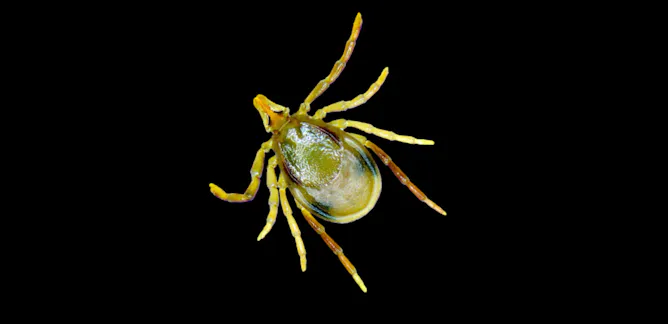
If you’re bitten by a tick and eat meat, you may not get any symptoms for hours. Here’s what to look out for.
CSIRO

As Australia’s national science agency, CSIRO is solving the greatest challenges through innovative science and technology.
CSIRO - unlocking a better future for everyone.
Links
Articles
In 2009, the combination of a cyclone, atmospheric waves and warm moist air triggered a record-breaking heatwave. It’s happening again.

Like friendship itself, the slower ageing is more than just skin deep.
Neste episódio, cientistas brasileiros mostram como a Amazônia é na verdade um grande jardim milenar, e pesquisadores australianos mostram como reduzir usar soluções baseadas na natureza para reduzir a produção de gases de efeito estufa metano na produção agropecuária
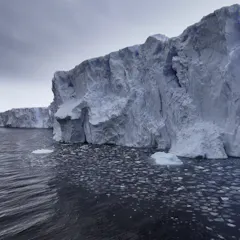
Our ocean float spent years adrift in the Antarctic ocean and beneath massive ice shelves. What it found will help us estimate global sea-level rise.
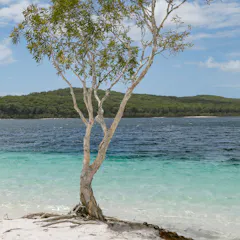
K'gari island is renowned for its natural beauty and unique lakes. But new research reveals there was a time when some evaporated. Could this happen again?
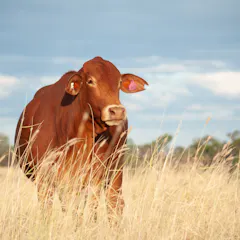
Australia’s dietary guidelines will soon consider environmental impacts. We need locally relevant indicators to support more sustainable food production.

Could container ships ever go electric? The best option might be a fleet of attendant battery vessels to power these giants directly.
The project collects troves of data from the best climate models around the world – and the newest update to it is now underway.
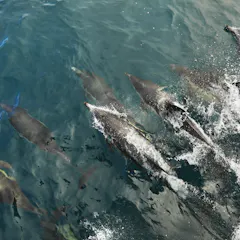
New research has developed the first molecular ‘clock’ for common dolphins. It could be a game-changer for conservation.

In 2025 the world has fallen short, again, of peaking and reducing its fossil fuel use. But there are many countries on a path to greener energy.
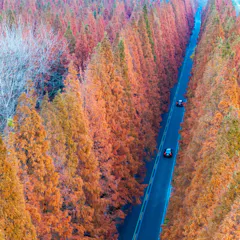
Reforestation can contribute significantly to tackling climate change, but research found its global potential is only a fraction of what’s been claimed.

Seasonality sets the rhythms of life – and can have surprising consequences for ecology and evolution

From the wave-lashed surface to the deep sea, the Southern Ocean Time Series is a crucial tool for scientists to keep the pulse of this important region of Earth.

Australia’s inland waterbirds can fly long distances to find shallow wetlands to breed. But human needs and climate change could threaten them.

A cold will make your snot thicker and it may change colour.

Four in ten people live with astigmatism, which can cause blurred vision and eye strain. Here’s what you need to know.
Just because you can deal with your inbox more quickly doesn’t mean you’ll spend your afternoon on the beach.
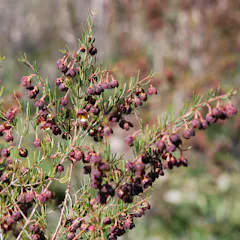
A team of scientists has discovered the secret to making ‘Boronia Babies’ is a tiny moth. Heliozelidae pollinate the weird flowers made famous by May Gibbs.

Can a new database of 3D bone scans help solve the mystery of the elusive ngudlukanta?
Authors
-

SKA-Low Commissioning Scientist, Square Kilometre Array Observatory; and Affiliate, Space and Astronomy, CSIRO
-
Chief Research Scientist - Environment, CSIRO
-
Research Lead, Carbon Dioxide Removal, CSIRO
-
Principal Research Scientist in Aquatic Ecology, CSIRO
-
Behavioural Scientist, CSIRO
-
Senior Research Scientist in Aquatic Ecology, CSIRO
-
Professor, Senior Principal Research Scientist, CSIRO
-
Postdoctoral Research Fellow, Marine Carbon Dioxide Removal, CSIRO
-
Radio Astronomy Research Scientist, CSIRO
-
Research Director, CSIRO
-
Senior Principal Research Scientist, Environment, CSIRO
-
Research scientist, CSIRO
-
Principal Research Scientist, CSIRO
-
Principal Research Scientist in Ecosystem Ecology, CSIRO
-
Senior Principal Research Scientist, CSIRO