
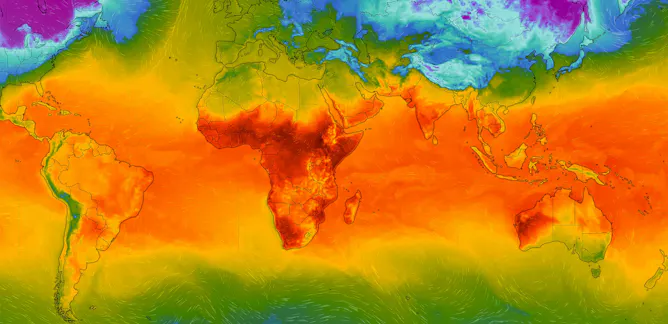
Atteindre zéro émission de carbone d’ici 2050 freinera le réchauffement, mais certaines régions connaîtront encore des chaleurs extrêmes
CSIRO

As Australia’s national science agency, CSIRO is solving the greatest challenges through innovative science and technology.
CSIRO - unlocking a better future for everyone.
Links
Articles

Cutting carbon dioxide emissions to zero by 2050 will reduce global warming, but climate modelling shows that some regions may still experience extreme heat.

Atmospheric CO₂ concentrations are surging, even as emissions level out. Natural carbon sinks are showing signs of faltering as we continue to emit CO₂.
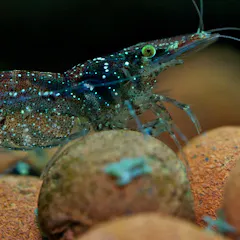
In a Queensland river where natural gas seeps up through the water, many living creatures have come to depend on it for their carbon.

Research results demonstrate the potential of GM cowpea to enhance yields and profitability for resource-poor farmers.

A CSIRO study has found 39% less plastic pollution in and around Australian coastal cities over ten years. It also found more places with no rubbish at all.
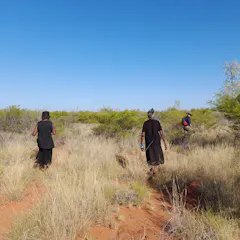
As Australia confronts biodiversity loss, this research underscores the importance of listening to those who know Country best.

The 2022 floods triggered shifts in the Coorong’s microbiome—similar to our gut bacteria on new diets—revealing why freshwater flows are vital to wetland health.

From clay tablets to electronic tablets, technology has played an influential role in shaping human knowledge for centuries.
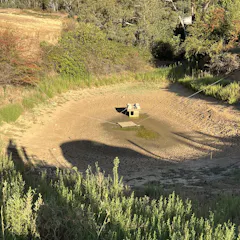
Water is being trucked into the Adelaide Hills and surrounds to fill empty rainwater tanks and dams. Is there a better way to cope with future water shortages?

How can the science community minimise the risks but maximise the benefits of AI?

Australians tend to eat too much junk food and not enough fruit and vegetables. But how might these trends change in the years to come?
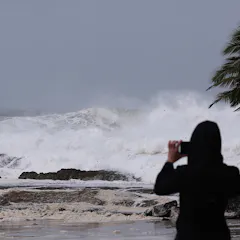
Warmer oceans, more rain and higher seas are likely to heighten Cyclone Alfred’s impact

Indigenous futures thinking brings the expertise built up by Indigenous communities over many years into the plans needed for the world to adapt to climate change.

The PFAS in lithium-ion batteries is a major obstacle to recycling or disposing of these batteries safely. But we have a way to fix this problem.
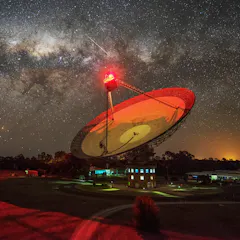
‘Project Phoenix’ was initiated by small research organisation known as the SETI Institute. But it was lucky to get off the ground.

The technology is enhancing athletic performance, offering more personalised healthcare and improving workplace safety.

Your sense of smell is directly linked to the part of your brain that generates emotions and memories.
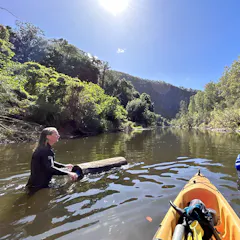
Conservation groups can now share and compare climate adaptation tactics to support threatened species and ecosystems through a new online tool called AdaptLog.

You’ll be hearing a lot about quantum computing in 2025. Here’s where the field is at – and where it’s all going.
Authors
-

SKA-Low Commissioning Scientist, Square Kilometre Array Observatory; and Affiliate, Space and Astronomy, CSIRO
-
Chief Research Scientist - Environment, CSIRO
-
Research Lead, Carbon Dioxide Removal, CSIRO
-
Principal Research Scientist in Aquatic Ecology, CSIRO
-
Behavioural Scientist, CSIRO
-
Senior Research Scientist in Aquatic Ecology, CSIRO
-
Professor, Senior Principal Research Scientist, CSIRO
-
Postdoctoral Research Fellow, Marine Carbon Dioxide Removal, CSIRO
-
Radio Astronomy Research Scientist, CSIRO
-
Research Director, CSIRO
-
Senior Principal Research Scientist, Environment, CSIRO
-
Research scientist, CSIRO
-
Principal Research Scientist, CSIRO
-
Principal Research Scientist in Ecosystem Ecology, CSIRO
-
Senior Principal Research Scientist, CSIRO