
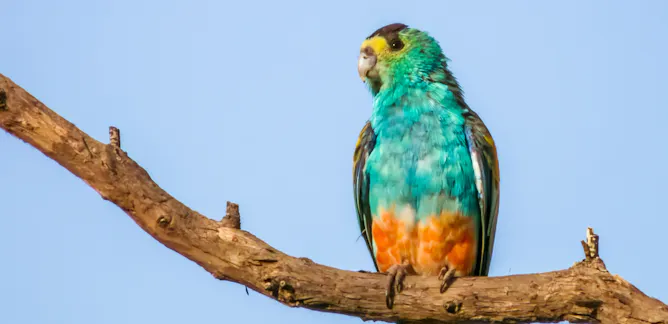
This new research estimates the price and benefits of recovering threatened species – and offers cost-effective ways for environment groups, farmers, governments and others to make a difference.
CSIRO

As Australia’s national science agency, CSIRO is solving the greatest challenges through innovative science and technology.
CSIRO - unlocking a better future for everyone.
Links
Articles

2025 may be the year of AI agents that can carry out tasks on our behalf – but the technology has a couple of big hurdles to get past before it will really be useful.

La Lune se situe à environ 385 000 km de la Terre, comment peut-elle faire bouger des quantités d’eau phénoménales ?
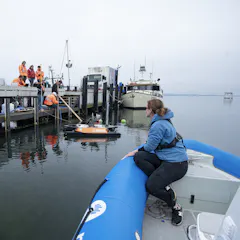
Efforts to reduce emissions and decarbonise industry must be combined with new technology that removes carbon dioxide from the atmosphere. Australia can build an industry around this service.

Machine learning systems may make weather forecasts faster and cheaper – but climate projections still remain beyond their grasp.
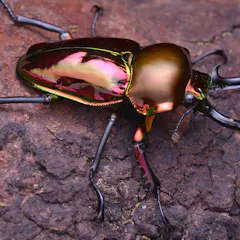
Summer is a great time to go beetle-watching in Australia. By protecting these dazzling insects, we can ensure they survive for future generations to enjoy.

A few reefs on the Great Barrier Reef have been largely untouched by bleaching. We found upwellings of cold water are protecting them – for now

As world leaders gather at COP29 to consider reducing emissions, the latest global carbon budget shows CO₂ emissions from fossil fuels are still going up, not down, despite some promising signs.
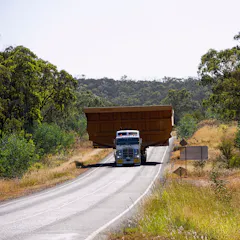
Central Queensland has become a koala refuge. But heavy traffic on one highway is threatening a vital population of these threatened marsupials
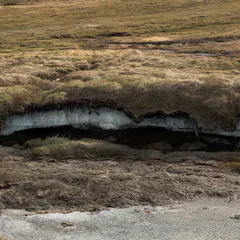
Queríamos descobrir a quantidade de carbono e nitrogênio que está sendo liberada pelo permafrost do norte e fizemos o primeiro balanço completo de gases de efeito estufa da região
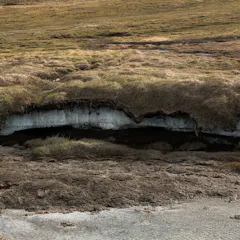
We wanted to find out how much carbon and nitrogen is being released from the northern permafrost. Here’s the region’s first full greenhouse gas budget covering CO₂, methane, and nitrous oxide.

Alarmingly, Earth’s climate will change for many centuries to come. But we must still push to reach net-zero emissions as quickly as possible.
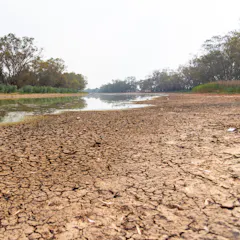
On land, Australia has already passed 1.5°C of warming, bringing lower streamflows, more fire weather and marine heatwaves.

Millions of litres of nutrient-rich whey go to waste every year. Collaboration can help turn this waste stream into useful products

Ocean eddy currents are driving extreme heat and cold events in the deeper sea, home to the world’s most abundant animal and its largest migration
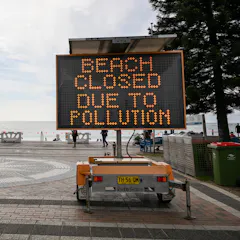
There’s a good chance the objects on Coogee beach are not, as some have suggested, tar balls. But in any case, they pose a potential risk and authorities are right to close the beach.

There is growing interest in the use of First Peoples’ words to name plant and animal species. But we must proceed with both caution and respect.
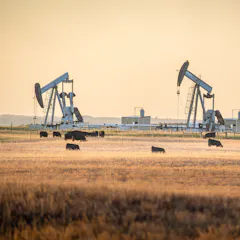
As atividades humanas são responsáveis por dois terços de toda a liberação de metano para a atmosfera, e esforços internacionais para estancar o fluxo ainda não estão dando resultado

Researching what digital health interventions work for Indigenous people is effective when it’s Indigenous-led, based on trust, and engages local values and protocols.
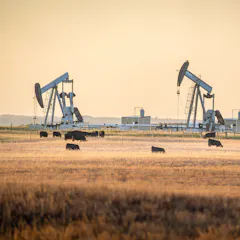
En la actualidad, dos tercios de las emisiones de metano a la atmósfera se deben a actividades humanas, y nuestros esfuerzos por contener el flujo aún no han dado frutos.
Authors
-

SKA-Low Commissioning Scientist, Square Kilometre Array Observatory; and Affiliate, Space and Astronomy, CSIRO
-
Chief Research Scientist - Environment, CSIRO
-
Research Lead, Carbon Dioxide Removal, CSIRO
-
Principal Research Scientist in Aquatic Ecology, CSIRO
-
Behavioural Scientist, CSIRO
-
Senior Research Scientist in Aquatic Ecology, CSIRO
-
Professor, Senior Principal Research Scientist, CSIRO
-
Postdoctoral Research Fellow, Marine Carbon Dioxide Removal, CSIRO
-
Radio Astronomy Research Scientist, CSIRO
-
Research Director, CSIRO
-
Senior Principal Research Scientist, Environment, CSIRO
-
Research scientist, CSIRO
-
Principal Research Scientist, CSIRO
-
Principal Research Scientist in Ecosystem Ecology, CSIRO
-
Senior Principal Research Scientist, CSIRO