
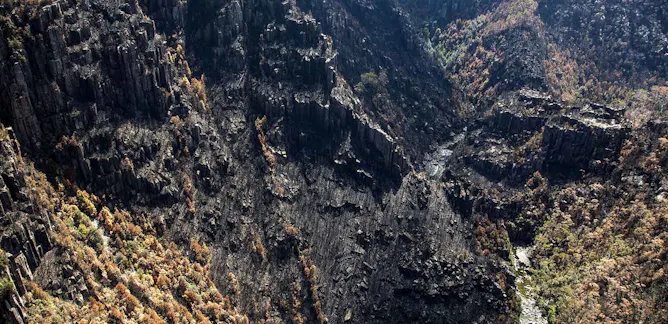
October 2015 was the hottest on record for that month, and Tasmania had its driest ever spring.
CSIRO

As Australia’s national science agency, CSIRO is solving the greatest challenges through innovative science and technology.
CSIRO - unlocking a better future for everyone.
Links
Articles

Methane concentrations in the atmosphere are growing at a faster rate than any time in the past 20 years.
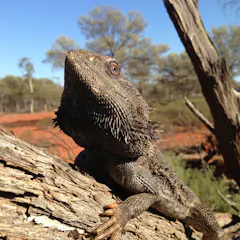
We are only just starting to appreciate the full sexual diversity of animals.

Developers working on apps to help monitor and improve our health could accidentally find themselves on the wrong side of the law.
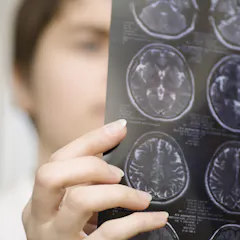
Artificial intelligence is already transforming a range of industries but it has still to make an impact on healthcare. So what’s the hold up?
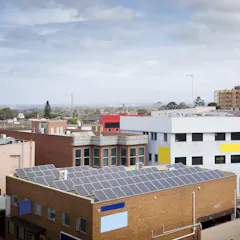
The need to urgently reduce greenhouse gas emissions is a major challenge to cheap electricity.

How we use our smartphone can say a lot about our behaviour. But can such tech be trusted to track our mental health?

While the Bureau of Meteorology is predicting an increase in the average temperature this summer, entomologists are forecasting an increase in insect activity.
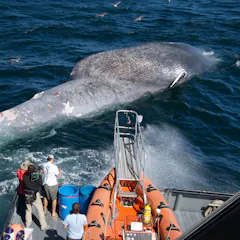
Ships in Australian waters are getting bigger and more numerous all the time. We need a plan to help them avoid crashing into whales and other large sea creatures.

A CSIRO report suggests Australian manufacturers need to better design custom products and hook into global supply chains to survive.
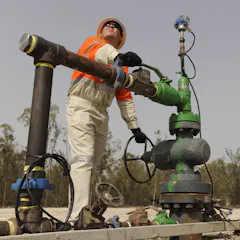
Extracting coal seam gas produces billions of litres of water. A new CSIRO report suggests that, when treated, this water can be pumped back underground.
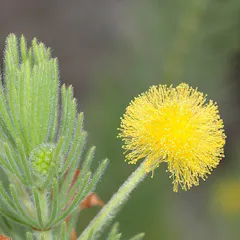
We know very little about Australia’s most threatened plants.
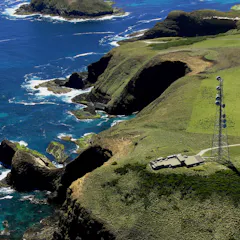
Cape Grim’s air pollution station has recorded some of the biggest changes to the world’s atmosphere over the past 40 years.
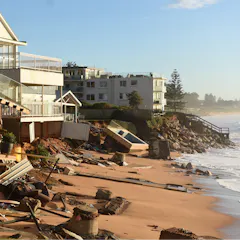
Many Australians live on the coast, but how much do we know about the risks? While average sea levels are relatively easy to gauge, the risk of flooding also depends on weather, landscape, and climate.
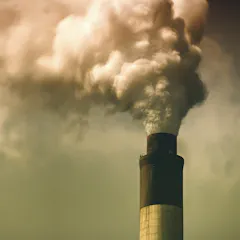
For three years, carbon emissions from fossil fuels have grown little or not at all, opening a window of opportunity to halt climate change.

Experts agree that a new era for climate policy here. But the hard work starts now.
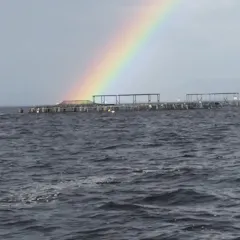
Aquaculture development needs to be able to trust the science, and the science needs to be delivered in a timely way if we hope to ensure long-term sustainability of this industry.

The new State of the Climate report outlines Australia’s rising temperatures and its regional rainfall declines - and the trends that are locked in for the coming few decades due to greenhouse emissions.
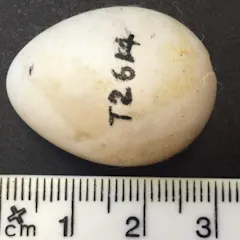
For more than three decades an egg found in a remote Australian desert was thought to be from a rare nocturnal parrot. So what happened when scientists decided to double-check?
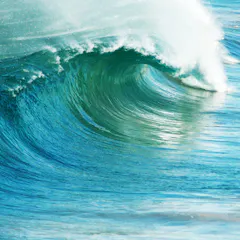
Australia has the world’s largest wave energy resource – so how do we unlock our ocean’s potential?
Authors
-

SKA-Low Commissioning Scientist, Square Kilometre Array Observatory; and Affiliate, Space and Astronomy, CSIRO
-
Chief Research Scientist - Environment, CSIRO
-
Research Lead, Carbon Dioxide Removal, CSIRO
-
Principal Research Scientist in Aquatic Ecology, CSIRO
-
Behavioural Scientist, CSIRO
-
Professor, Senior Principal Research Scientist, CSIRO
-
Molecular Virologist, CSIRO
-
Postdoctoral Research Fellow, Marine Carbon Dioxide Removal, CSIRO
-
Senior Research Scientist, Team Leader Rabbit Biocontrol, CSIRO
-
Radio Astronomy Research Scientist, CSIRO
-
Research Director, CSIRO
-
Research scientist, CSIRO
-
Principal Research Scientist, CSIRO
-
Principal Research Scientist in Ecosystem Ecology, CSIRO
-
Senior Principal Research Scientist, CSIRO