
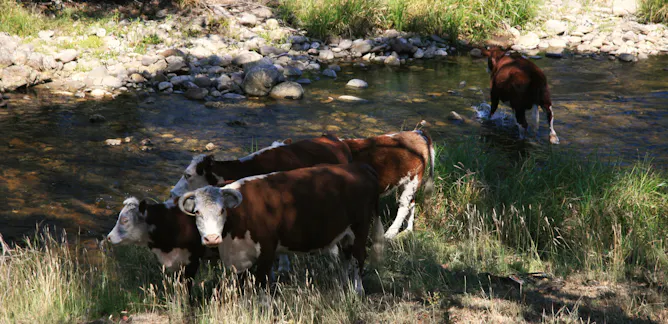
Freshwater covers only 0.5% of the Earth’s surface but is home to 10% of the world’s lifeforms.
CSIRO

As Australia’s national science agency, CSIRO is solving the greatest challenges through innovative science and technology.
CSIRO - unlocking a better future for everyone.
Links
Articles

Sea levels are rising faster in the Solomon Islands – and send a warning for the rest of the world.
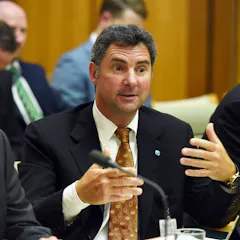
The CSIRO will create a new climate research centre in Hobart with 40 climate scientists.
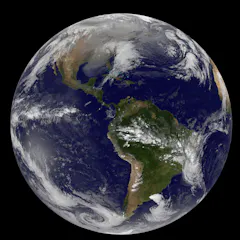
Half of the world’s vegetated land has got greener in the past 30 years, mostly driven by rising CO2.

A burst of neutrinos detected deep under the Antarctic ice may have originated from a distant quasar on the edge of the visible universe.
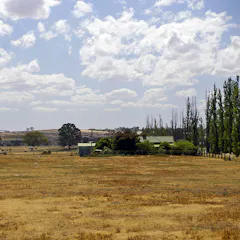
Forecasting drought should be about more than weather – to help those likely to be hit hardest, we need financial and even health data too.
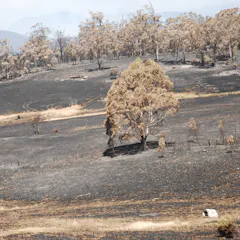
This summer has seen Tasmania suffer through drought, bushfires, floods and the worst marine heatwave on record. Is this what life under a climate-changed future will be like?

We need to ban lethal autonomous weapons, or “killer robots”, as we have done with biological weapons, land mines and blinding lasers, and Australia should take a leading role in making that happen.
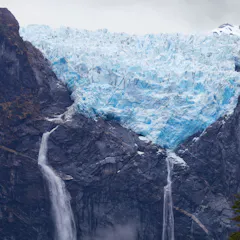
Global average sea level has risen by about 17 cm between 1900 and 2005, but we didn’t know how much of that was due to us, until now.
A proposal for the Bureau of Meteorology to take on CSIRO climate scientists is a good idea - but CSIRO needs to make sure nothing is lost.
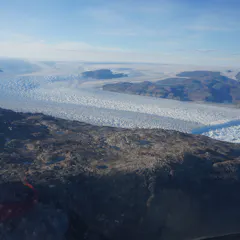
Could sea levels really rise by several metres this century. Probably not, although this century’s greenhouse emissions could potentially set the stage for large rises in centuries to come.
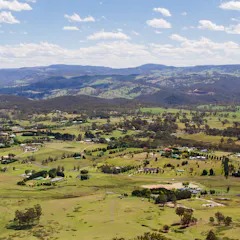
Growing population, growing demand for food, climate change: Australia’s rural lands are facing a number of pressures. So how can we sustainably use them in the future?

Climate change will make it harder to eat healthily.
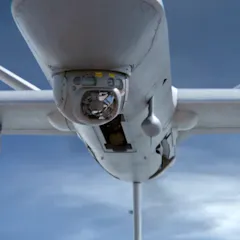
The moral and ethical dilemmas of future warfare are depicted in this tight British thriller. But what will happen when humans become more removed from the weapons of war?
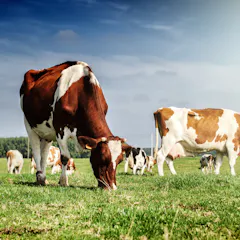
Eating less meat isn’t the only solution to reducing greenhouse gas emissions from livestock.

A machine has bested us at yet another intellectually challenging game. It shows artificial intelligence is progressing rapidly, but it doesn’t mean humans are redundant quite yet.

Fossil fuel emissions are slowing, but another major climate problem is becoming clear: food production.

Markets have been on a rocky ride all year on concerns another recession looms. Here are a few lessons we can learn from the last one.
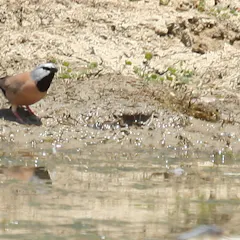
More than half of the remaining habitat for Queensland’s southern black-throated finches is potentially subject to mining development. If these mines go ahead, it will be bad news for these birds.

Our homes harbour hundreds of species of insects and their relatives.
Authors
-

SKA-Low Commissioning Scientist, Square Kilometre Array Observatory; and Affiliate, Space and Astronomy, CSIRO
-
Chief Research Scientist - Environment, CSIRO
-
Research Lead, Carbon Dioxide Removal, CSIRO
-
Principal Research Scientist in Aquatic Ecology, CSIRO
-
Behavioural Scientist, CSIRO
-
Professor, Senior Principal Research Scientist, CSIRO
-
Molecular Virologist, CSIRO
-
Postdoctoral Research Fellow, Marine Carbon Dioxide Removal, CSIRO
-
Senior Research Scientist, Team Leader Rabbit Biocontrol, CSIRO
-
Radio Astronomy Research Scientist, CSIRO
-
Research Director, CSIRO
-
Research scientist, CSIRO
-
Principal Research Scientist, CSIRO
-
Principal Research Scientist in Ecosystem Ecology, CSIRO
-
Senior Principal Research Scientist, CSIRO