

Scientists in Japan have discovered a new species of wasp that induces a zombie-like state in spiders in order to manipulate them into protecting the wasp’s own offspring.
CSIRO

As Australia’s national science agency, CSIRO is solving the greatest challenges through innovative science and technology.
CSIRO - unlocking a better future for everyone.
Links
Articles

New research shows that we’ll have to remove carbon from the atmosphere for any chance of keeping warming below 2C.

We need to ban offensive autonomous weapons - or ‘killer robots’ - before a new arms race to produce them begins.
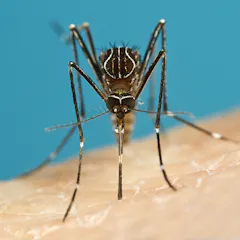
Could climate change cause mosquito-borne diseases to spread? While this an extremely important health question, the answer is far from simple.
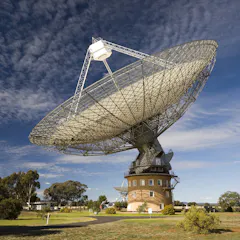
The Parkes radio telescope is part of the US$100 million search for life elsewhere in the universe, but the investment will also benefit other space research at The Dish.

By embracing science and technology, Australia’s agricultural industry could be more efficient, productive and sustainable.

For decades, a low fat and sugar free diet were key to controlling type 2 diabetes. Now, new data shows a diet high in protein and healthy fats has better outcomes for the disease.

There will be increasing demands placed on our soil and water in coming years, so we need greater research into how to preserve and maintain these precious resources.

Online infrastructure and business are becoming increasingly important, as is our need to focus research efforts on securing them from cyber-attack.

A research focus on transport can help improve existing infrastructure and guide future developments, and tailor them to Australia’s unique needs.
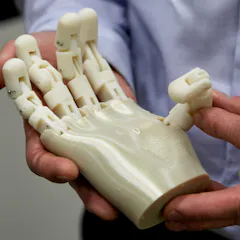
Australia has a bright future in advanced manufacturing, but it will be a turbulent transition that we need to manage carefully.
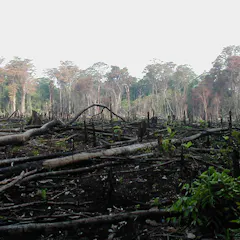
It’s now five years since the International Year of Biodiversity, and nearly 15% of Earth’s land surface is protected in parks and reserves. By 2020, we should reach the agreed global target of 17%. This…
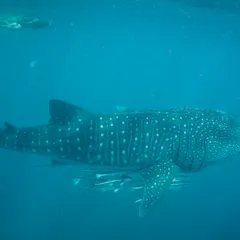
While eastern Australia trembles in the face of an El Niño, Western Australia’s oceans could finally see relief from devastating marine heatwaves.
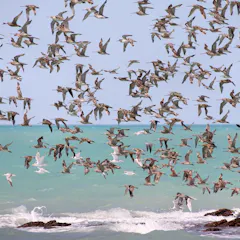
Five million shorebirds migrate between Australia and the northern hemisphere, threatened by habitat destruction, and rising seas. How can we protect this natural marvel?

Since 1993, satellites have been used as well as tidal gauges to monitor sea level. A new calibration of this satellite record now shows that the rise in sea level is gathering pace.

Researchers are tapping into some of the massive amounts data collected these days, which could include information about you. But how do they protect your privacy?
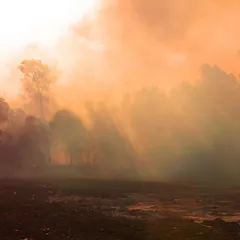
This last year we were preparing for an El Niño. But then it all just fizzled out. So what happened? And could this be the year?

More STEM education isn’t a bad thing, but if we want to safeguard our jobs from being taken by machines, we need more emphasis on the humanities.

Australia needs to take risks and think clever if the country is to stay competitive in a global market.
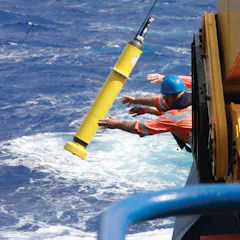
In 1985, when CSIRO’s marine labs were launched, a seven-day weather forecast was little better than chance. Now, thanks to advances in our understanding of the oceans, our predictions are far better.
Authors
-

SKA-Low Commissioning Scientist, Square Kilometre Array Observatory; and Affiliate, Space and Astronomy, CSIRO
-
Chief Research Scientist - Environment, CSIRO
-
Research Lead, Carbon Dioxide Removal, CSIRO
-
Principal Research Scientist in Aquatic Ecology, CSIRO
-
Behavioural Scientist, CSIRO
-
Professor, Senior Principal Research Scientist, CSIRO
-
Molecular Virologist, CSIRO
-
Postdoctoral Research Fellow, Marine Carbon Dioxide Removal, CSIRO
-
Senior Research Scientist, Team Leader Rabbit Biocontrol, CSIRO
-
Radio Astronomy Research Scientist, CSIRO
-
Research Director, CSIRO
-
Research scientist, CSIRO
-
Principal Research Scientist, CSIRO
-
Principal Research Scientist in Ecosystem Ecology, CSIRO
-
Senior Principal Research Scientist, CSIRO