

O trabalho usa registros nacionais de apreensões rodoviárias federais para avaliar padrões da caça ilegal no Brasil, revelando perda de biodiversidade
Center for International Forestry Research – World Agroforestry (CIFOR-ICRAF)

The Center for International Forestry Research is a non-profit scientific research organization that conducts research on the use and management of forests with a focus on tropical forests in developing countries. World Agroforestry (ICRAF) generates science-based knowledge about the diverse benefits - both direct and indirect - of agroforestry, or trees in farming systems and agricultural landscapes, and disseminates this knowledge to develop policy options and promote practices that improve livelihoods and benefit the environment. ICRAF is a CGIAR Consortium Research Centre. ICRAF’s headquarters are in Nairobi, Kenya, with six regional offices located in Cameroon, China, India, Indonesia, Kenya and Peru.
Links
Articles
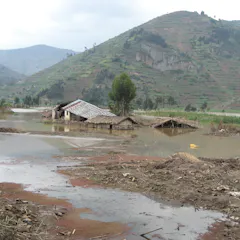
Africa is heavily dependent on agriculture. At this year’s COP30 conference, the continent needs to secure more funding to adapt land to climate disasters.

South Africa’s G20 presidency this year must take 7 critical steps to stop deforestation in Africa.
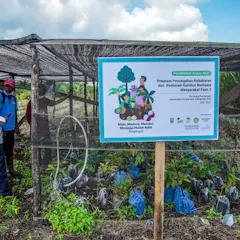
Usaha mengungkit kesejahteraan masyarakat sekitar dalam restorasi gambut sangat penting agar secara ekonomi dan sosial, masyarakat semakin akrab dan ‘terikat’ dengan kesehatan lahan gambut.
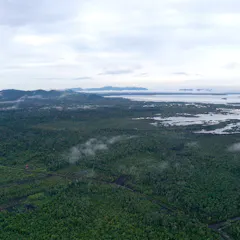
Praktik ladang berpindah Gilir Balik justru berperan menjaga kelestarian lingkungan di Kalimantan Barat.
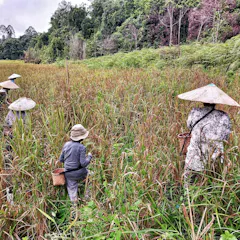
Melihat lebih dekat tradisi ladang berpindah Gilir Balik yang sudah berlangsung selama ratusan tahun dan menopang kehidupan masyarakat Ngaung Keruh di Kapuas Hulu, Kalimantan Barat.
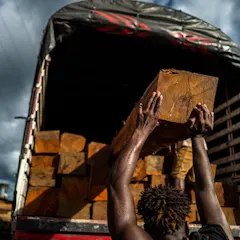
Les parcs à bois, où les documents relatifs aux chargements de bois sont contrôlés, peuvent contribuer à endiguer les pertes financières liées aux exportations illégales.
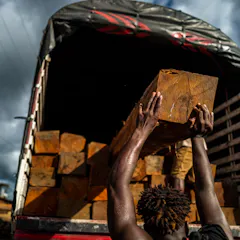
Timber parks, where the paperwork for loads of timber is inspected, can help stem the financial losses from illegal exports.
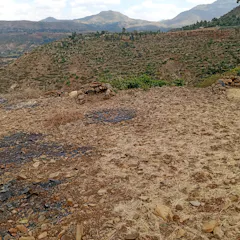
Typically, humanitarian concerns are prioritised following a war. But the environment must also get attention so that societies can produce food and goods to rebuild their lives.

Helping transform food systems so they serve people around the world starts with taking an active approach to addressing inequalities.
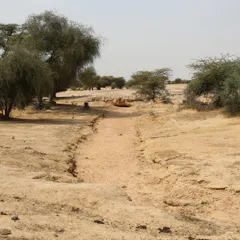
CC BY-NC-ND17.7 MB (download)
The global community must understand the importance of soil in order to protect it.
Paying attention to tree seed to enhance forest landscape restoration: new resources for Africa are available.

Africa’s Great Green Wall must immediately speed up to meet the needs of people along the edges of the Sahara Desert.
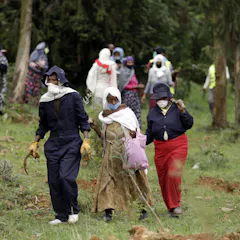
Broader local engagement and inclusion of multiple voices could improve development projects
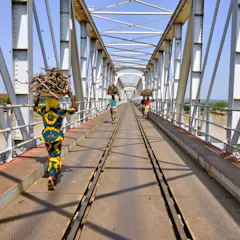
A changing climate threatens the balance that communities in drylands have created.
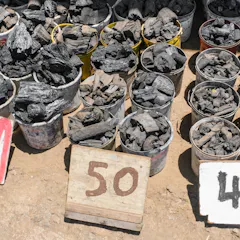
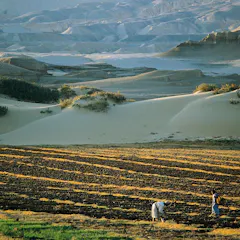
Demand for charcoal continues to increase in Kenya, it’s vital that the sector is better governed
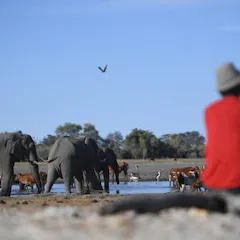
Evidence shows that farms that share landscapes with wild nature, such as remnant forests and trees, benefit from the ecosystem services provided.
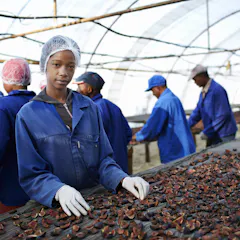
Young people typically see farming playing some role in their future as they prefer to remain in their rural homes, although few respondents want only to farm.
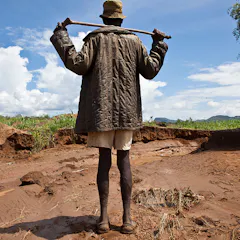
Regreening Africa works directly with 500,000 households to restore one million hectares of agricultural land.
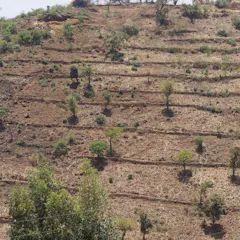
It’s time to redesign food systems that deliver healthy foods, allow farming families to make a good living, and support thriving societies.
Authors
-

Global Scientist, Center for International Forestry Research – World Agroforestry (CIFOR-ICRAF)
-
Senior Research Officer, Center for International Forestry Research – World Agroforestry (CIFOR-ICRAF)
-
Research Officer, Indonesia Lead Research Group Green Value Chains, Integrated Business Model, and Innovative Financing, Center for International Forestry Research – World Agroforestry (CIFOR-ICRAF)
-
Scientist, Center for International Forestry Research – World Agroforestry (CIFOR-ICRAF)
-
Pesquisador, Center for International Forestry Research – World Agroforestry (CIFOR-ICRAF)
-
Facilitator and private sectors liaison, Center for International Forestry Research – World Agroforestry (CIFOR-ICRAF)
-
Indonesia Country Director dan Senior Scientist, Center for International Forestry Research – World Agroforestry (CIFOR-ICRAF)
-
Co-Leader, Tree Productivity & Diversity, Center for International Forestry Research – World Agroforestry (CIFOR-ICRAF)
-
Soil Systems Scientist, Center for International Forestry Research – World Agroforestry (CIFOR-ICRAF)
-
Principal Scientist, Center for International Forestry Research – World Agroforestry (CIFOR-ICRAF)
-
Director Africa, CIFOR-ICRAF, Center for International Forestry Research – World Agroforestry (CIFOR-ICRAF)
-
Co-Leader, Tree Productivity & Diversity, Center for International Forestry Research – World Agroforestry (CIFOR-ICRAF)
-
Director General CIFOR, Director of Science CIFOR-ICRAF, Center for International Forestry Research – World Agroforestry (CIFOR-ICRAF)
-
Scientist, Center for International Forestry Research – World Agroforestry (CIFOR-ICRAF)
-
Senior Scientist, Agriculture and the Environment, Center for International Forestry Research – World Agroforestry (CIFOR-ICRAF)