
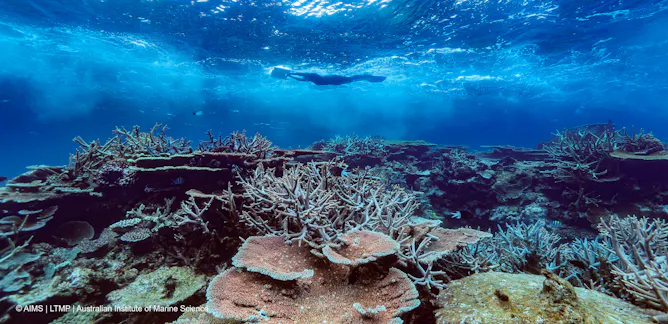
Scientists have been monitoring the reef’s health for the past 40 years.
Australian Institute of Marine Science

The Australian Institute of Marine Science (AIMS) is a leader in tropical marine science.
The Institute is consistently ranked among the top one per cent of specialist research institutions internationally and is known for its unique capacity to investigate topics from broad-scale ecology to microbiology.
AIMS is committed to the protection and sustainable use of Australia’s marine resources. Its research programs support the management of tropical marine environments around the world, with a primary focus on the Great Barrier Reef World Heritage Area, the pristine Ningaloo Marine Park in Western Australia and northwest Australia.
Links
Articles

New video captures what whale sharks do when nobody is watching.
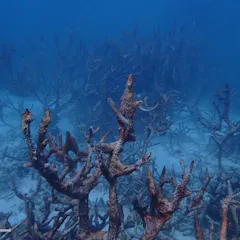
Luck seems to have run out for many Western Australian coral reefs, as an off-the-charts marine heatwave leaves a trail of bleaching and coral death.
The latest report from Australia’s tropical marine research agency shows hard corals on the Great Barrier Reef have been hit hard by an extreme marine heatwave.
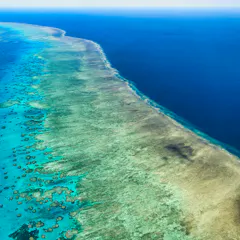
A few reefs on the Great Barrier Reef have been largely untouched by bleaching. We found upwellings of cold water are protecting them – for now
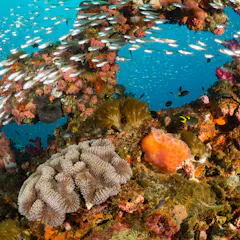
Scientists have been gathering coral spawn to create baby corals via ‘coral IVF’. Until now, much of this research has been done without consultation with Traditional Custodians.
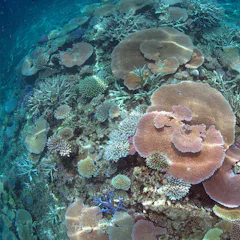
Remarkable diversity in heat tolerance can help coral reefs under climate change.
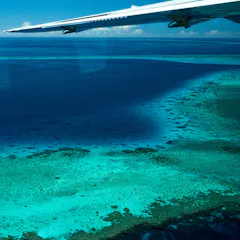
One of the most serious marine heatwaves on record hit the Great Barrier Reef last summer. Now a new report shows that coral cover was high before the impacts of cyclones and mass bleaching.

Around the world, coral reefs are suffering. But scientists in high-income nations are developing new ways to build coral resilience. We have a duty to share our skills and build capacity elsewhere.
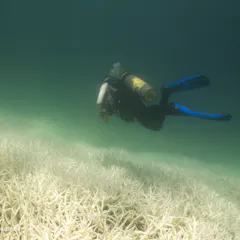
O primeiro evento de branqueamento global ocorreu em 1998 e o quarto está em andamento. Até que reduzamos as emissões que provocam o aquecimento global, a pressão sobre os recifes de coral só vai aumentar
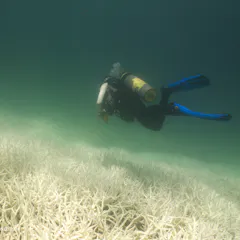
The first global bleaching event was in 1998 and the fourth is now under way. Until we curb the emissions driving global warming, the pressure on coral reefs will continue to increase.
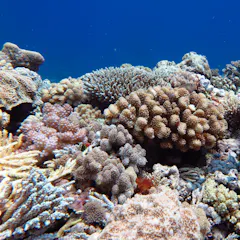
We used to focus just on protection of vital ecosystems like the reef. But as climate change and other threats accelerate, we need to actively help nature get ready for the heat.
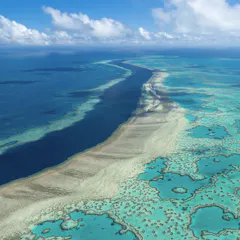
In recent years, the Barrier Reef has had a reprieve – and coral has regrown strongly. But now the reprieve looks to be over and the heat is back on
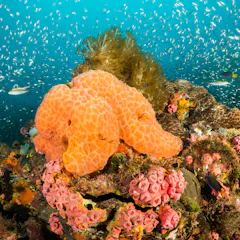
New research has unravelled the mystery of why sea sponges die when the water gets too warm. The cause of death appears to be the sudden loss of microbes that usually act to detoxify sponge tissue.
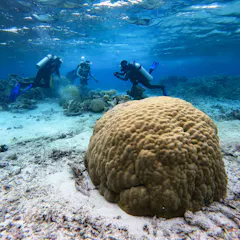
Coral in the Great Barrier Reef is once again bleaching, with water temperatures up to 3°C higher than normal in some places.

Australia’s ‘blue economy’ needs a strong basis in marine science.
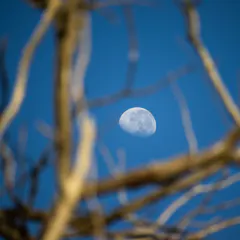
The triple whammy of the moon’s wobble, sea level rise and more intense storms will bring worse tidal floods into coastal communities in the 2030s. This includes in Australia.
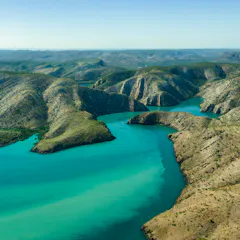
Traditional ecological and cultural wisdom was embraced and valued, enhancing Western scientific knowledge of a beautiful, fragile marine area.
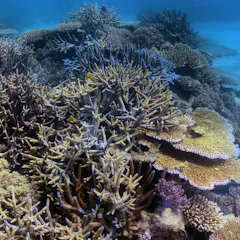
Le génie génétique permet de s’intéresser à la biodiversité, et à comment mieux la préserver.
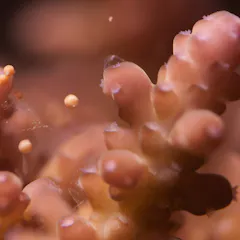
New research involving CRISPR technology has furthered our understanding of corals’ gene functions. Specifically, it has revealed a mechanism underpinning how corals withstand heat stress.
Authors
-

Manager International Partnerships and Co-ordinator of the Global Coral Reef Monitoring Network (GCRMN), Australian Institute of Marine Science
-
Senior Research Scientist, Benthic and Restoration Ecology, Australian Institute of Marine Science
-
PhD Candidate, Marine Movement Ecology, Murdoch University; Australian Institute of Marine Science
-
Physical Oceanographer, Australian Institute of Marine Science
-
Reef Fish Ecologist, Australian Institute of Marine Science
-
Research scientist, Australian Institute of Marine Science
-
Executive Director of Strategic Development at Australian Institute of Marine Science, Australian Institute of Marine Science
-
Research Program Director – Reef Ecology and Monitoring, Australian Institute of Marine Science
-
Research Scientist, Australian Institute of Marine Science
-
Research Scientist: Coral Ecology, Australian Institute of Marine Science
-
Physical Oceanographer, Australian Institute of Marine Science
-
Research Program Director, Australian Institute of Marine Science
-
Research Scientist, Australian Institute of Marine Science
-
Senior Research Scientist in Reef Ecology, Australian Institute of Marine Science
-
Chief executive officer, Australian Institute of Marine Science; James Cook University