

Healthy microbes spread easily through everyday interactions like handshakes and sharing food or water. Disease-causing agents spread in a similar way.
Articles on Health disparities
Displaying 1 - 20 of 159 articles

While lung cancer rates have decreased by 43% in men, they have risen by 79% in women. Broader screening guidelines and recognizing early symptoms can help address the changing face of lung cancer.

A staggering 67.5% of respondents relied on maladaptive coping strategies.

School mental health programmes must address both emotional wellbeing and structural pressures such as poverty, stigma and exclusion.

As many as 7 million people could be experiencing snake envenoming in a year, based on a literature review and geostatistical modelling study.

US-funded research into the health of people abroad has large health and economic benefits for Americans.

Biokineticists can help identify NCD risk in rural communities, but gaps in referral pathways and public healthcare integration may limit access to follow-up care.

Moving can change the conditions that shape health, so health and social policy must plan for a mobile population.
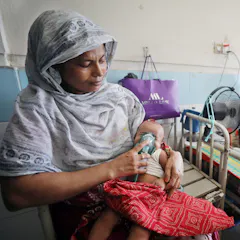
Measles is making a comeback around the world. In places with low vaccination rates, a few cases can quickly become an epidemic.

Most lightning strike survivors have no visible scars, but their invisible injuries often go untreated.

Disproportionate rates of preeclampsia – a potentially dangerous pregnancy complication – in immigrant populations reflect the physical toll of social and economic insecurities.
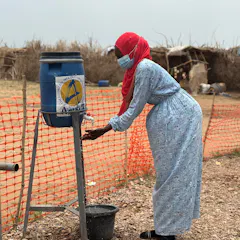
While cholera launched modern epidemiology and has nearly disappeared in many countries, the disease never went away. It has instead retreated to the places least equipped to fight it.

People with poorly controlled asthma may be able to breathe easier by making a change in the kitchen.

Two physicians discuss the ongoing earthquake relief efforts in their home country of Venezuela and explain what the healthcare system was like before the disaster.

Cancer deaths in the US have dropped steeply since 1991. But the medical and public health advances leading to these declines have been concentrated among high-income areas.

To effectively address health disparities, research needs to be grounded in Canada’s realities, not simply adapted from models developed elsewhere.

Combining AI with quantum computing could enable doctors and researchers to analyze the human body at an unprecedented molecular level, unlocking breakthroughs in personalized medicine. Yet significant quantum technology hurdles remain before this vision becomes reality.
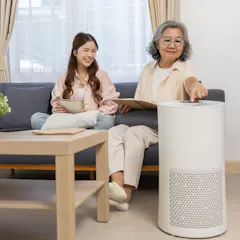
The gain isn’t huge, but it’s a notable improvement – similar to what people experience when they start exercising more.
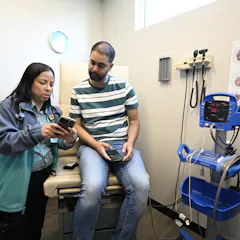
An increasing number of laws aim to roll back LGBTQ+ people’s ability to access health care, leading to cascading effects on their well-being.

Whether a young person has public or private insurance – or is uninsured or underinsured – significantly influences their risk of death across many cancer types.
Top contributors
-

Associate Professor of Family Medicine, Charles R. Drew University of Medicine and Science
-
Associate Professor of Health Law, Policy and Management, Boston University
-
Assistant Professor of Social, Behavioral and Population Sciences, Tulane University
-
Professor of Anthropology, American University
-
Assistant Professor of Public Health, University of Iowa
-
Assistant Professor of Resource Economics, UMass Amherst
-
Assistant Professor of Health Policy and Administration, University of Illinois Chicago
-
Research scientist, Johns Hopkins University
-
Professor of Audiology, University of Pittsburgh
-
Associate Professor of Pharmacy and Therapeutics, University of Pittsburgh
-
Assistant Professor of Community Health, Tufts University
-
Associate Professor of Psychology and Psychiatry, USC Dornsife College of Letters, Arts and Sciences
-
Professor of Clinical and Diagnostic Sciences, Associate Dean of Research and Innovation in the School of Health Professions, University of Alabama at Birmingham
-
Family Medicine Physician and Postdoctoral Health Services Researcher, University of Michigan
-
Professor of Bioinformatics, Rochester Institute of Technology