

Philosopher Søren Kierkegaard is best known for his writing on faith and existentialism, but love is also a central focus.
Ethics + Religion – Articles, Analysis, Opinion
Displaying 1 - 25 of 2228 articles
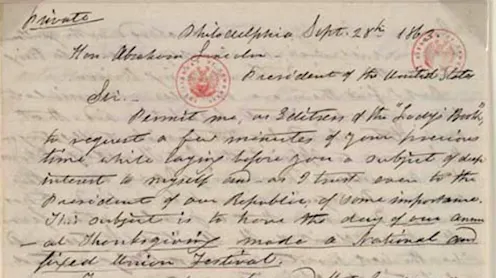
Thanksgiving as we know it today was created in the mid-1800s to unify a nation and was often used to assimilate new immigrants.
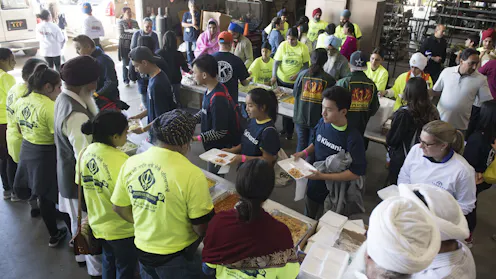
Thanksgiving is a time to invite family and friends. The Sikh practice of ‘langar’ encourages hospitality toward those whom we do not know, writes a scholar of Asian religions.
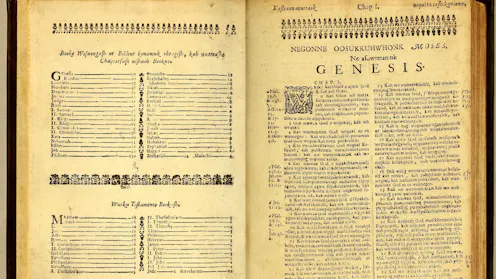
Some Puritans hoped they could convert Native Americans peacefully. As history shows, the reality was rarely so simple.
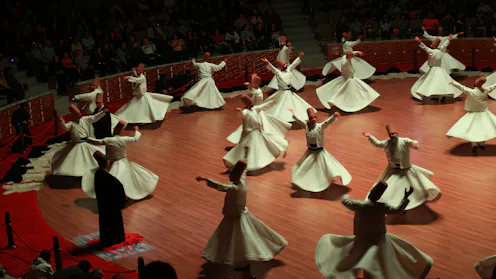
America’s best-selling poet was a Muslim jurist whose masterpiece has been called ‘the Quran in Persian.’ A scholar of Sufism explains what popular translations often leave out.
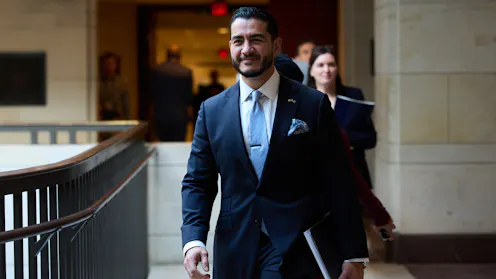
Three political scientists found that visible Muslim representation can make public institutions seem fairer and encourage Muslim Americans to participate in politics.
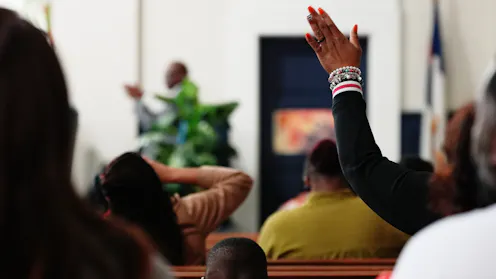
For years, Black women have been one of the Democratic Party’s steadiest groups of supporters. And for many of those voters, faith helps inspire their politics.
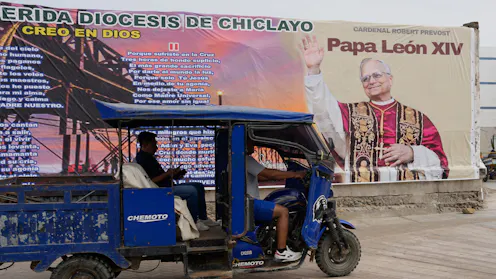
Pope Leo’s November 2026 trip to Latin America will bring him back to Peru, where he served as a priest and bishop for two decades.
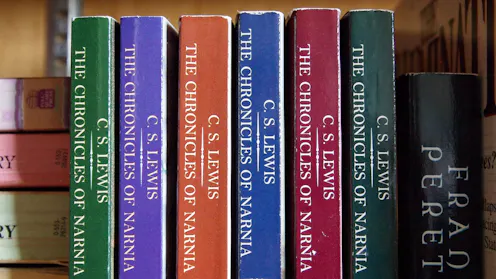
Some Narnia fans are up in arms about Netflix’s upcoming adaptation of ‘The Magician’s Nephew,’ directed by Greta Gerwig.
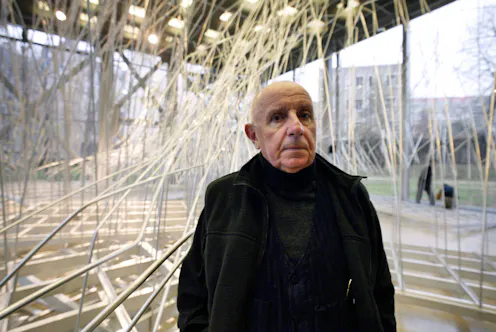
Paul Virilio, a French philosopher, died in 2018. But his writings on technological ‘accidents’ help explain dilemmas the world faces today amid increasing use of artificial intelligence.

A scholar spent time with 4 alternative food movements to explore how religious Americans are choosing a ‘moral’ diet.
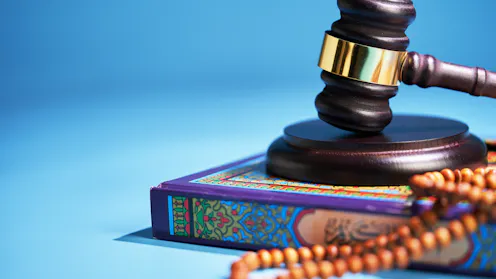
Ordinary Muslim religious practices can often be treated as political threats, writes a law professor.

After the Holocaust, Eastern European survivors collaborated on memorial books called ‘yizker bikher’ – one way to reclaim their neighbors’ lives and memories.
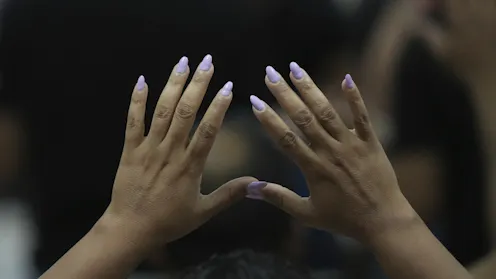
Religion has become an important factor in Brazilian politics. But to see the whole picture, you need to analyze diversity within churches, a political scientist writes.
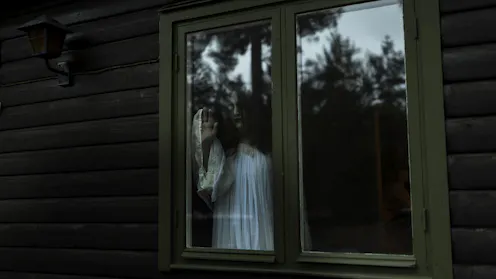
From phantom ships carrying enslaved people to an apparition in a Maine lake, ghost stories have revived memories of injustices that might otherwise have been forgotten.
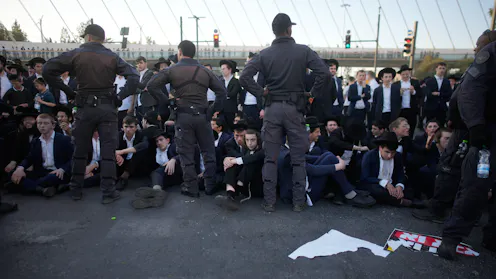
Ultra-Orthodox Jews, often called Haredim, make up a small but growing percentage of Israel’s population. Still, their political parties wield significant influence.
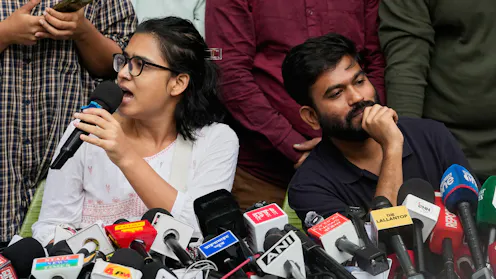
The protests challenge the government’s view of who “the people” are, what democracy means, and who speaks for youth, women and the politically marginalized.
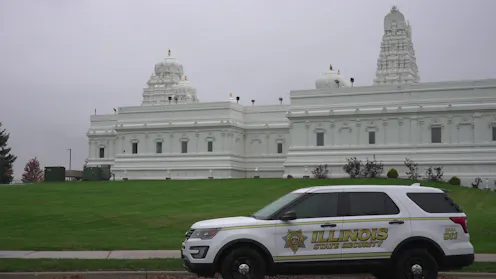
Hostility toward Hindu worship practices draws on a long history of prejudice portraying the faith’s followers as idolaters, argues a scholar of Hindu studies.
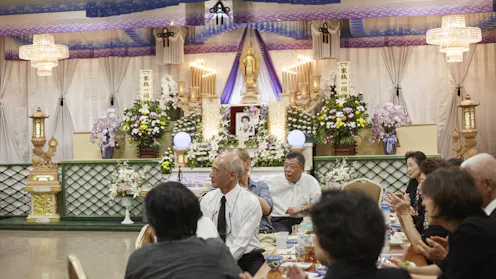
With fewer people to care for their ancestors’ graves, many in Japan are looking for innovative solutions.

Armenian culture marks major events such as birth and death with a special period of 40 days, called ‘karasunk,’ as people transition from one state to another.
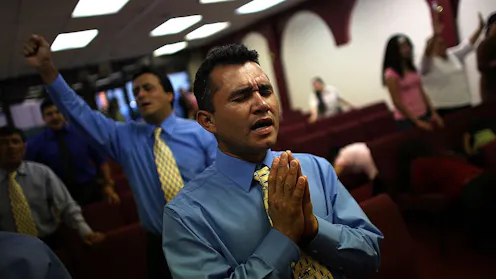
Many migrants find community in evangelical churches in the U.S. – part of wider shifts in the country’s religious landscape.
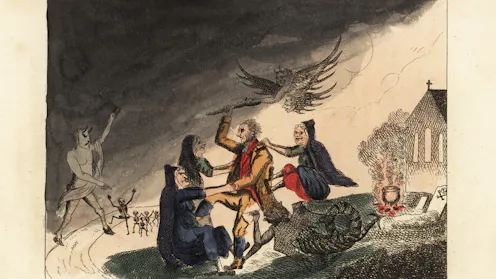
Belief in science and belief in magic can coexist.
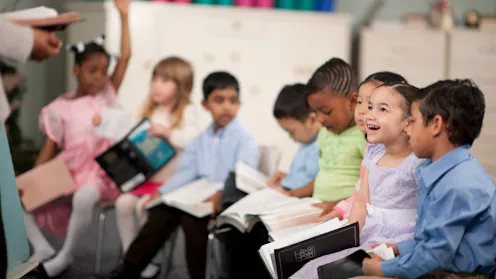
St. Mary Catholic Parish v. Roy is one of many cases in which religious schools have challenged the wall between church and state.

There is no single way to tell the story of the ‘Ramayana.’ People from different religious traditions and cultural backgrounds have reimagined the epic in countless ways.
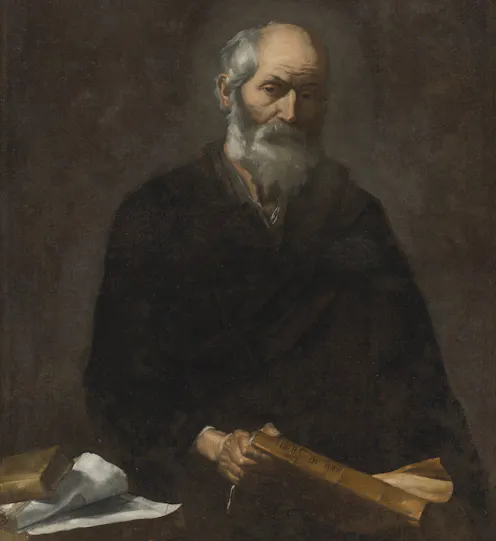
Many Americans have decried today’s politics as ‘shameless.’ The antidote, a political philosopher argues, may be more reverence – awe at just how difficult democracy is.