
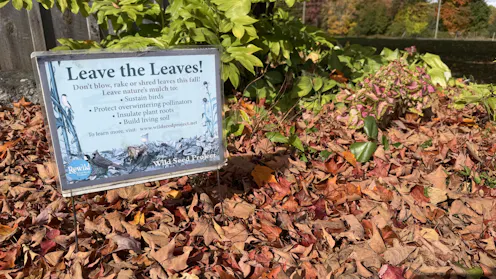
Fallen leaves provide essential winter habitat for native pollinators and provide natural mulch for the soil. If you have to clear some leaves, don’t get rid of them entirely: Move them out of sight.
Environment + Energy – Articles, Analysis, Opinion
Displaying 1 - 25 of 3164 articles
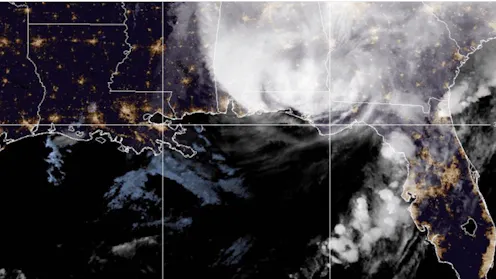
An atmospheric scientist explains what’s been going on in the atmosphere, and how El Niño and the jet stream both play important roles.
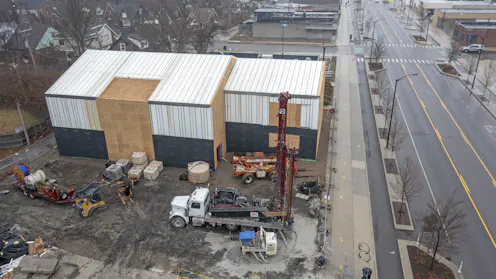
Rocks deep underground can be used to hold heat until it’s needed.
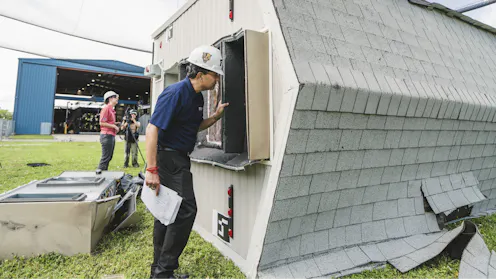
Engineers are using a unique test facility called the Wall of Wind to develop housing that’s both affordable and disaster-resistant. Their tests show the magnitude of the challenge.
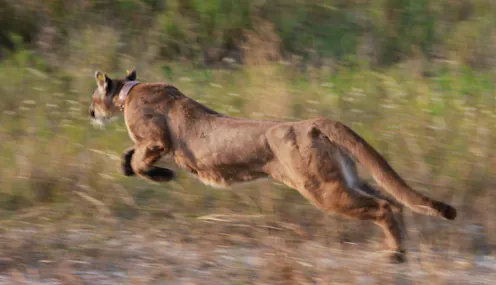
The stories of a whale, a panther and a butterfly help explain why new interpretations of the Endangered Species Act could be catastrophic for species’ survival.
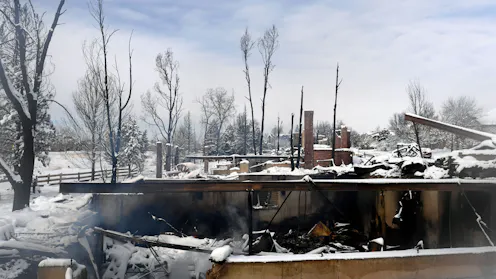
If fossil fuel companies misled the public about the dangers of their products, should they be required to pay for damages from climate-related disasters?
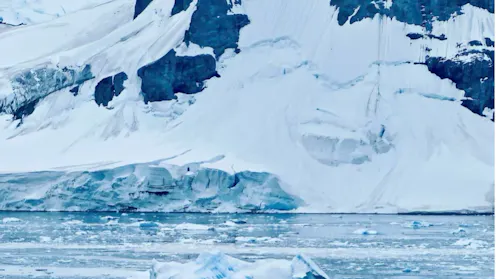
The Antarctic ice sheet’s future depends how a chain of events plays out. A new study finds the evidence points in one direction.
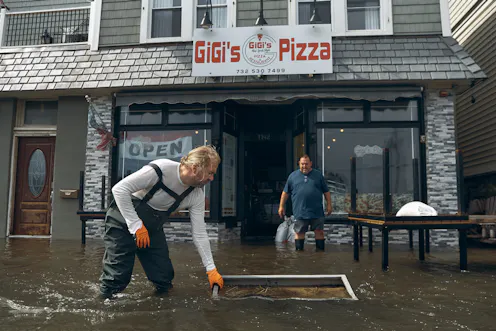
Several factors make for high water levels, and they conspired to worsen the storm surge that flooded coastal areas from North Carolina to New York.
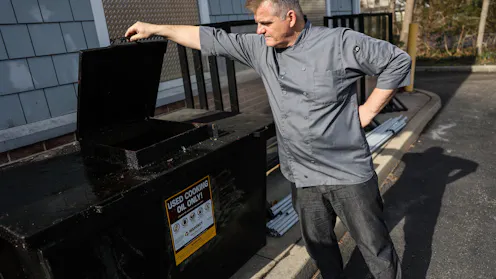
No longer viewed only as waste, used cooking oil is a common ingredient in biofuels.
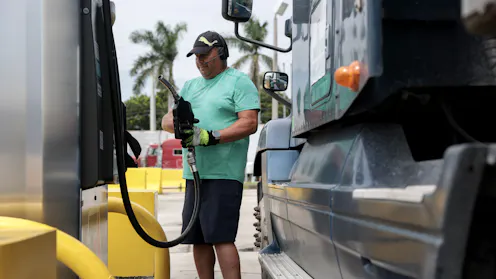
Any work to ease current shortages and price hikes while the Strait of Hormuz remains closed will take years and billions of dollars.

A regional permafrost map can’t tell a builder if a particular foundation or road will survive as temperatures rise. Engineers need to see beneath the surface to find the weaknesses.

Seven months into the US conflict with Iran, with no clear end in sight, the global oil market has now largely exhausted the safety measures that exist to keep a lid on petroleum prices.
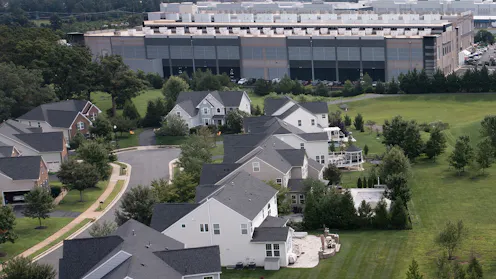
The people of northern Virginia have been living with data centers for many years. But even they are resisting new developments. And they have specific wishes for how to regulate them.
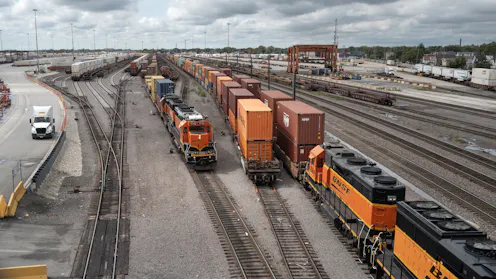
There’s not much diesel fuel lying around, and lots of people want to buy what is available, as well as what little is produced each day. It’s all a matter of supply and demand.
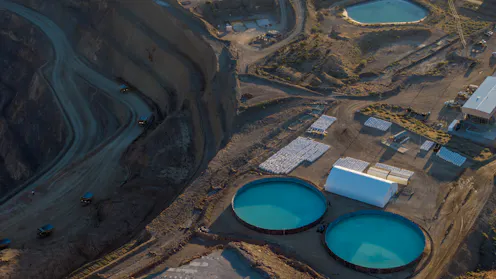
Today, China controls the vast majority of rare earths processing. That gives it enormous political leverage, and its trade truce with the US involving those minerals expires Nov. 10, 2026.
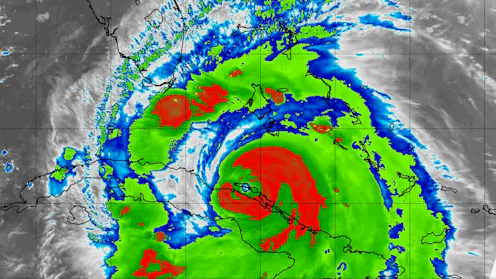
Storms like 2026’s Hurricane Polo that rapidly intensify can catch communities off guard and leave little time to prepare or evacuate. Being able to forecast those risks can save lives.

The catastrophic story is familiar, but the insight, and the ending, offer an opportunity, and perhaps motivation, for modern readers.

Players have been injured by lightning during games, and a strike to the stands could hurt a lot of fans.
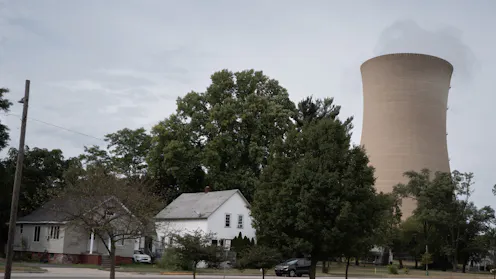
Keeping aging coal plants open, building new gas plants and choices about pollution controls affect electricity bills. Pollution adds health costs and climate damage that may not appear on those bills.

Aging levees and dams are only the beginning of the risks communities face. One of the biggest challenges is helping people manage the heat and storms.

At least 119 countries have asked for aid from the fund set by major greenhouse gas emitting nations four years before the deadly Nepal flood. It has paid zero claims.

The country, and the world, have been losing diesel refining capacity for many years and can’t just ramp up production to fill the shortages.

Decades of pollution at Pittsburgh brownfields left bacteria that evolved to survive it – and maybe help clean up contaminated soil.
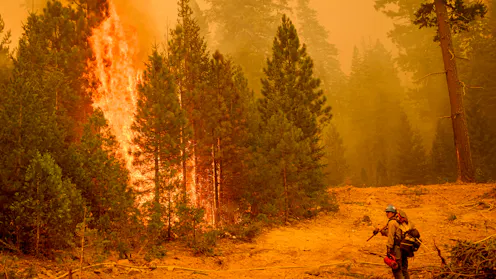
Wildfire strategy tends to break into three distinct camps today, each focusing heavily on one approach over the others. Successful management requires them all.

A century ago, Americans barely ate soy. Now it’s everywhere in people’s diets, even in places they don’t look or expect.