
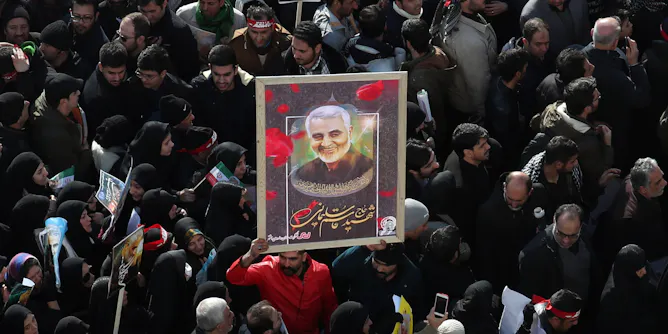
For decades, Iran has built up a network of proxies across the Middle East. Will it now use them to retailiate for the killing of its top general?
Articles on Yemen
Displaying 81 - 100 of 164 articles
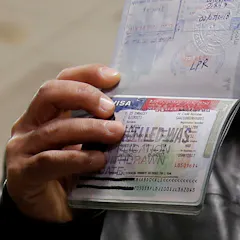
Was the ban a Muslim ban – or was that just an anti-Trump narrative? A political scientist combs through the data for answers.
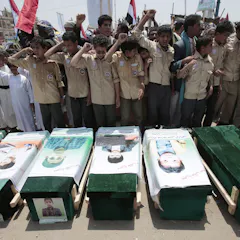
A year after an infamous Twitter spat and the gruesome murder of Jamal Khashoggi in 2018, the Canada-Saudi relationship appears poised to return to business as usual, if it hasn’t already.
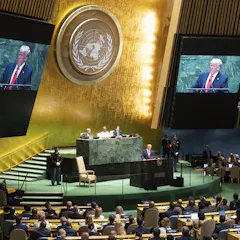
The US has historically asked for international support when brewing conflicts in the Middle East boiled over.

Energy-wise, the fallout from the attack on Saudi oil facilities has so far been very muted. The surge in oil production in the US over the past decade helps explain why.
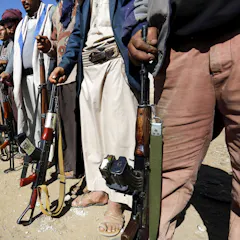
Houthi rebels have claimed responsibility for strikes on key Saudi oil facilities. How they’ve grown their military strength.
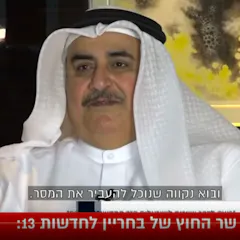
With the opening of a synagogue in Dubai and warmer relations between Saudi Arabia and Israel, some Arab states suddenly appear to be more open to friendship with Israel and Jews. Why?

Organizations try to hide mistakes and evade responsibility, studies show. But two scholars analyzing militant and terrorist groups say they are willing to acknowledge their mistakes – sometimes.

Bin Laden’s extremist group had less than a hundred members in September 2001. Today it’s a transnational terror organization with 40,000 fighters across the Middle East, Africa and beyond.
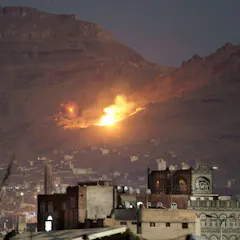
Why is Canada’s labour movement so quiet on the Saudi arms deal? It should be a voice for peace and human rights and demand that the Canadian government immediately cancel the deal.
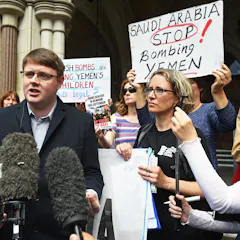
The UK Court of Appeal ruled that the British government did not properly assess whether Saudi Arabia had violated international law. What this means for the arms trade.
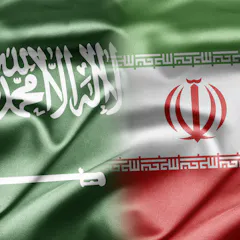
Recent speeches suggest there may be an appetite for closer relations, but it won’t be easy. A Saudi and an Iranian explain.

Political fallout from the Vietnam War gave Congress more power to control foreign affairs, but they have been reluctant to use it.
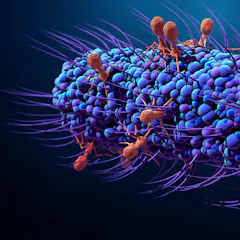
Cholera kills fast, and outbreaks are common in war-torn regions and after natural disasters where clean water is scarce. A new strategy to prevent cholera infections is a ‘cocktail’ of live virus.

Book adds a great deal to our understanding of how children were ensnared into the Indian Ocean slave trade.

The US has supported a Saudi-led military coalition that has inflicted profound and deadly damage on Yemen. A Senate vote could end what a human rights scholar says is US complicity in genocide.
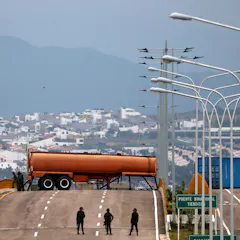
These shipments are rarely just about saving lives.
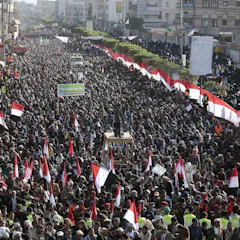
The Houthis belong to the Shiite branch of Islam. The Houthi insurgency began in the early 1990s, spurred in part by growing influence of different Sunni branches of Islam.
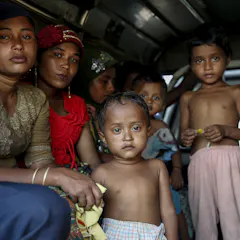
The issues that captured the world’s attention this year show the struggle to secure human rights is far from over.
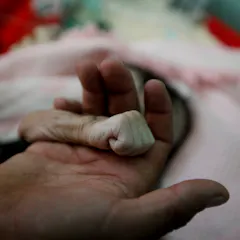
The Obama and Trump administrations have supported a military coalition that has inflicted profound and deadly damage on Yemen. A human rights scholar says the US is complicit in genocide.
Top contributors
-

Director of the Curtin Extremism Research Network (CERN), Curtin University
-
Professor of International Relations, Lancaster University
-
Lecturer in International Relations, University of Glasgow
-
Associate Professor, Department of Peace, Human Rights & Cultural Relations, American University School of International Service
-
Ph.D. Candidate in Political Science, Colorado State University
-
Fellow for the Middle East at the Baker Institute, Rice University
-
Professor of Peace Studies, University of Bradford
-
Professor of International Politics, Clinton Institute, University College Dublin
-
PhD Researcher, SOAS, University of London
-
Associate Professor, School Of Politics & International Relations, University College Dublin
-
Lecturer, Department of War Studies, King's College London
-
PhD Candidate, Political Science and International Relations, Curtin University
-
PhD Candidate (ABD), York University, Canada
-
Adjunct assistant professor, International Relations, Carleton University; L’Université d’Ottawa/University of Ottawa
-
Law Professor in Constitutional Law, Criminal Law, Election Law, University of Memphis