

The landscape has been shifting when it comes to employer interest in employee fertility journeys.
Articles on Women's health series
Displaying 21 - 40 of 41 articles
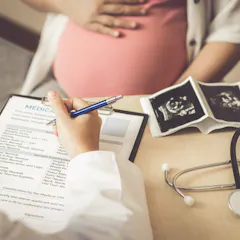
Several familiar maternity terms have been abandoned after a consultation with pregnant women and healthcare professionals.

Stigma and shame around menstruation can be found as far back as the Bible.

Tracking the many physical and emotional symptoms of menopause with a website, app or diary can help women better monitor their health.
From menopause to miscarriage, pleasure to pain the articles in this series will delve into the full spectrum of women’s health issues to provide valuable insights and resources for women of all ages.

Women are more likely to develop chronic diseases driven by the immune system.
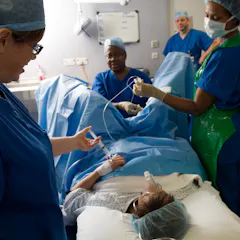
As part of my research, I interviewed egg donors and doctors and also observed women in fertility clinics to get a better sense of what the process was actually like.

Women have fewer orgasms than men. But this gap is cultural, not biological. Closing it is possible, both on a societal and personal level.
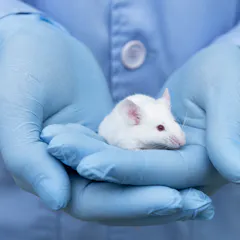
Clinical trial funders now insist studies use female participants. But it will still take a long time for our understanding of how medicine affects women to catch up.
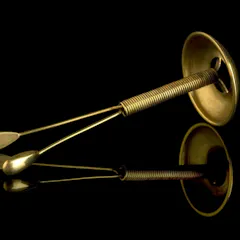
Contraception today may not be perfect but it’s better than methods of the past.
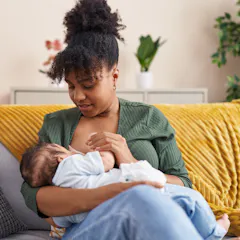
Not enough data is being collected about the impact taking prescription medication has on breastfeeding.

The sexual revolution made it acceptable for women to have premarital sex. Yet, an orgasm gap remains. Addressing the cultural forces driving this gap has social implications beyond pleasure itself.

After thousands of women spoke out against sexual harassment, scholars asked, does harassment affect women’s health? Their findings suggest that it does.

Women with urinary incontinence are often too embarrassed to seek help from their doctor. But there is more likelihood of a cure for those who receive treatment at an earlier point.
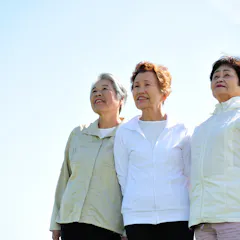
Three out of four women going through menopause suffer hot flushes, and suffer they do. But research shows the way society views ageing and menopause can reduce the severity of symptoms.

We must try harder to explore what causes endometriosis and not reinforce theories that imply fault on a woman’s part, or are shaped by old ideas about women’s roles and bodies.

Pelvic inflammatory disease’s traumatic consequences are unmatched by the low level of awareness around it. Left untreated, it can cause chronic pelvic pain, ectopic pregnancy and infertility.

While most women will have one or more episodes of uncomplicated and temporary thrush, some suffer from recurrent episodes. These can be shameful and often debilitating.

There are endless euphemisms for women’s conditions and body parts. If you can’t name a body part, how can you seek medical help if something appears to be wrong with it?
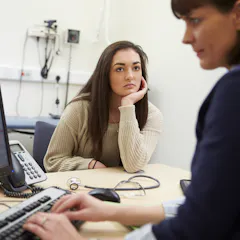
Women visit the GP more than men, particularly between the ages of 15 and 44. This difference is partly due to the management of gynaecological and reproductive issues.
Top contributors
-

Emeritus Professor of Psychology, University of Florida
-
Research Fellow, Melbourne Sexual Health Centre, Monash University
-
Research Fellow in Women's Health at Monash University and Honorary Researcher, General Practice and Primary Health Care Academic Centre, The University of Melbourne
-
Associate Professor of Public Health, Wake Forest University
-
Research analyst in Family Medicine, University of Sydney
-
Finkel Professor of Global Health, Monash University
-
Professor of Sociology, Wake Forest University
-
Research Fellow, Family Medicine Research Centre, Sydney School of Public Health, University of Sydney
-
Senior Research Officer General Practice, University of Sydney
-
Associate Professor, Cancer Survivorship and Primary Care, Caring Futures Institute, Flinders University; Western Sydney University
-
Research Fellow, The University of Melbourne
-
Professor, Obstetrics and Gynaecology and Head of Department of Urogynaecology, UNSW
-
Associate professor, Director of the Family Medicine Research Centre, Sydney School of Public Health, University of Sydney
-
Professor, Head of Research Translation and Head of the Genital Mycoplasma and Microbiota Group, Monash University
-
Professor, Deakin Law School, Deakin University