

Once something bound up with other people, more recently ‘happiness’ is seen as something very individual. Has our dependence on each other during lockdown changed our sense of where happiness lies?
Articles on Wellbeing
Displaying 301 - 320 of 452 articles

Whether it’s cars passing nearby, a neighbour’s blaring music or the constant drone of a lawnmower, the trouble with sound is that – unlike light – it can be hard to block out completely.

Working from home during lockdown reminded many of us of the benefits of office life. With a bit of imagination we could have the best of both worlds.

Traditional fishers are one of the most economically vulnerable professions in Indonesia. But, my research found that they are happier than those in other professions.

Trials show a four-day week really works. With economies desperate for recovery, now could be the perfect time to encourage it.

Excessive screen use has been linked to addictive behaviours, changes in mood, increased stress and difficulty sleeping - here’s how to take a break.

We live in the time of the ‘quantified self’. This means we’re constantly under pressure to use technology to ‘optimise’ ourselves, and may be why many people view gaming as a ‘waste of time’.
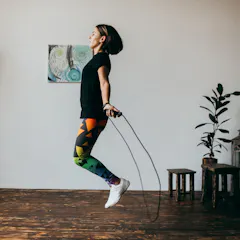
Use tins of beans, use a coat, use your kids … it’s all about being creative with the space you’ve got.

We can use anxious thoughts as triggers to engage in activities that not only manage anxiety but to help us build positive mental health habits for the future.

Parks have a vital role to play for both physical and mental wellbeing.

You don’t have to be labelled with a mental illness to seek help.

Today’s national accounts will be important, but for many Australians will say little about living standards.

Happiness varies by location, and what matters for happiness varies as well.

A new report offers data on mental health in young people.
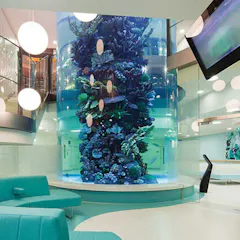
The design of children’s hospitals and other health facilities for young people have come a long way from the institutions of the past. Now, they’re a place to reduce stress and support mental health.

Societies have much to learn from the pursuit of happiness on an individual level.

“Sadfishers” are people who post sensitive or emotional personal material online to gain sympathy or attention. But this behaviour might actually indicate a deeper psychological issue.

Of the countries we looked at, all have seen an increase in subjective happiness since the 1970s.

Not only could less work pay for itself by boosting productivity, it’s necessary for human and planetary well-being.

The ‘superblocks’ are expected to have massive benefits for health and well-being – but it takes good governance.
Top contributors
-

Associate Professor, Centre for Positive Health Sciences, RCSI University of Medicine and Health Sciences
-
Professor of Coaching and Positive Psychology, RCSI University of Medicine and Health Sciences
-
Senior Research Fellow, School of Psychology, Deakin University
-
Professor and Head of the Department of Psychology, University of Copenhagen
-
Mental Health Researcher, University of Southern Denmark
-
Visiting Fellow, The Media School, Bournemouth University
-
Honorary Research Associate at the Behavioural Science Centre, University of Stirling
-
Project Manager, School of Psychology, Deakin University
-
Professor of Organisational Psychology and Health, University of Manchester
-
Lecturer, Centre for Positive Psychology and Health, RCSI University of Medicine and Health Sciences
-
Professor in International Social Policy, University of Southampton
-
Associate Professor of Clinical Psychology, Curtin University
-
Professor of the Psychology of Time, Liverpool John Moores University
-
Postdoctoral research assistant at the Welsh Institute of Physical Activity, Health & Sport (WIPAHS), Swansea University
-
Associate Professor, School of Psychology, UNSW