
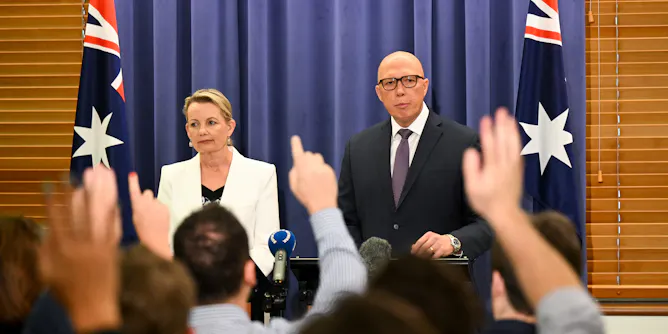
The Coalition’s position on the Voice is entirely consistent with their partisanship in this area of Aboriginal policy since the 1980s.
Articles on Voice to parliament
Displaying 101 - 120 of 172 articles
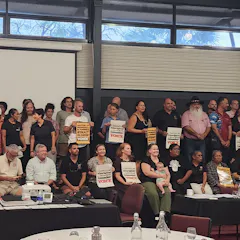
One crucial question about the Voice to Parliament is how it will ensure voices from regional and remote communities, such as those in the Kimberley, are truly heard in Canberra.
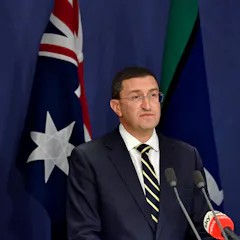
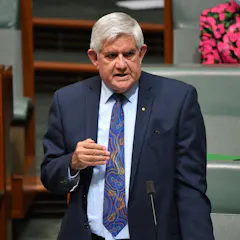
Stepping down to the backbench and going against the overwhelming view of your party on a critical issue takes a good deal of political courage.
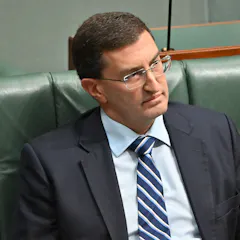
Leeser says his position is based on ‘keeping faith with the First Peoples of this land’, though he has affirmed his support for Peter Dutton’s leadership in the Liberal Party.
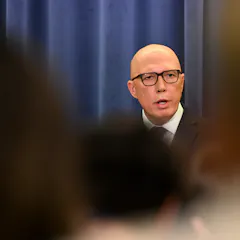
Peter Dutton’s success in holding the Liberal show together has been strictly limited. And it has come at the cost of deepening the division in the country.
Voters will justifiably ask why they should vote for a form of recognition opposed by the people who are to be recognised.
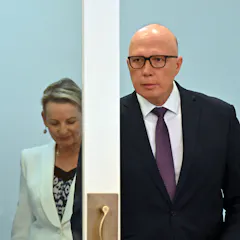
We are not the nation we were when we voted ‘no’ for a republic – but this seems to be the nation the Liberal Party insists on speaking to.
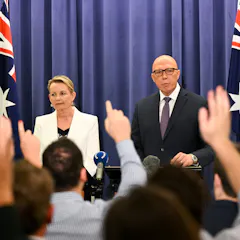
After a special party meeting to decide the Liberals’ position, Dutton accused Prime Minister Anthony Albanese of “dividing the country”.
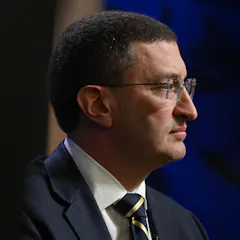
Opposition leader Peter Dutton has hardened his rhetoric criticising the Voice proposal in recent weeks
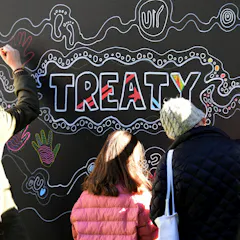
Indigenous people have been calling for a treaty for generations. But what would it actually look like and what would it do?
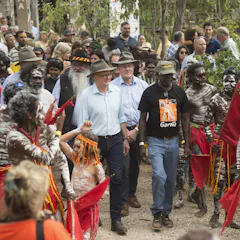
We now know the wording of the Voice referendum and proposed constitutional amendment. But what may have been forgotten is how we got here in the first place – and why it matters.
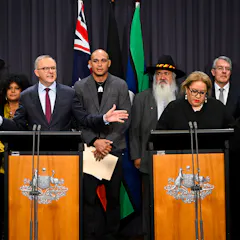
In a simply worded question, Australians will be asked to approve altering the Constitution “to recognise the First Peoples of Australia by establishing an Aboriginal and Torres Strait Islander Voice”.
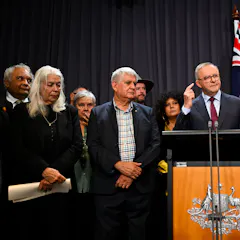
Here’s what the question says, what’s new and what happens next.

Even though there is strong Indigenous representation in parliament, this does not guarantee Indigenous communities a say in laws and policies made on their behalf.

What Yorta Yorta leader William Cooper was asking for was a means by which Australia’s lawmakers could be informed of the views of Aboriginal people.
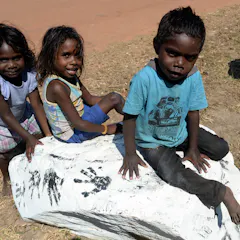
A Voice to Parliament will not fix every problem facing Aboriginal and Torres Strait Islander peoples. But it is an important step towards moving the nation to truth telling and beyond.
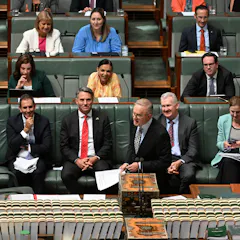
The Voice to Parliament is an advisory body, which means neither parliament nor the government is legally required to give effect to its representations.
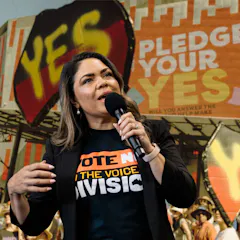
We asked readers what they would like to know about the Voice to Parliament. We’re asking our experts, and will post their responses here.
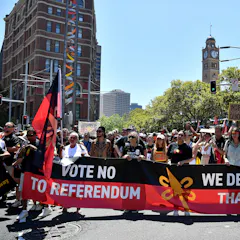
Right-wing opposition of the Voice to parliament has been dominating the so-called ‘no’ campaign. First Nations communities calling for more detail and more discussion also have reason to oppose it.
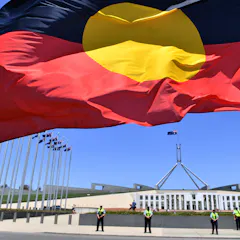
The current draft wording is the model most consistent with Australia’s current and historical constitutional practice.
Top contributors
-

Election Analyst (Psephologist) at The Conversation; and Honorary Associate, School of Mathematics and Statistics, The University of Melbourne
-
Professorial Fellow, University of Canberra
-
Professor of Law, UNSW Law School, UNSW
-
Professor Emerita in Constitutional Law, University of Sydney
-
Lecturer, Griffith Law School, Griffith University
-
Professor, Australian and Aboriginal History, Faculty of Arts, Design and Architecture, Convenor: Indigenous Land & Justice Research Group, UNSW
-
Principal Research Fellow, James Cook University
-
Senior Lecturer in Law at the University of Queensland, The University of Queensland
-
Adjunct Professor, Stout Research Centre, Victoria University of Wellington and Auckland University of Technology, Professor of Political Science, Charles Sturt University
-
Professor of Political Communication; Director CAJII, The University of Melbourne
-
Pro Vice-Chancellor Indigenous UNSW and Professor of Law, UNSW ; University of Pennsylvania
-
Associate Professor, UNSW
-
Associate Professor, Faculty of Law & Justice, UNSW
-
Associate Professor, Macquarie University
-
Honorary Professor, University of Sydney