
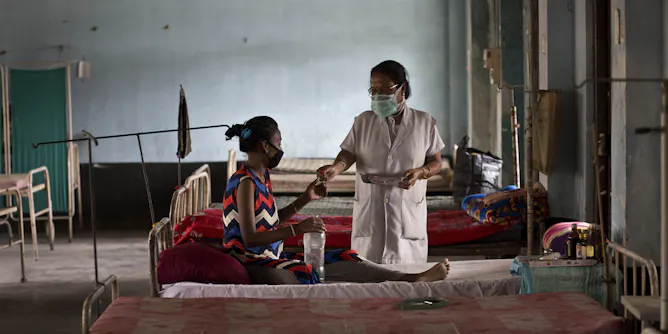
Tuberculosis is a global threat and a public health concern on a scale similar to COVID-19.
Articles on Vaccine development
Displaying 21 - 40 of 74 articles
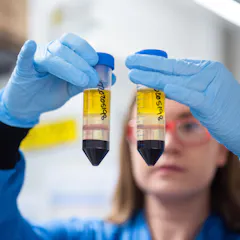
What normally takes decades has been achieved in 12 months, without cutting corners.
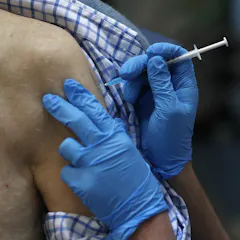
The coronavirus vaccine was developed faster than any vaccine in history. It took just 332 days from the first sequencing of the virus genome to the first vaccines given to the public.
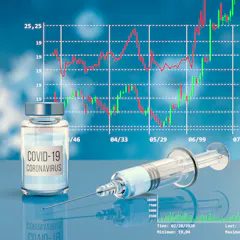
We should applaud drug companies for developing COVID-19 vaccines in record time, but let’s not be under any illusion about the profits that are motivating them.

In the disturbing scenario of human-to-mink-to-human COVID-19 transmission, the virus may mutate in mink prior to re-infecting people. That possibility makes vaccine design even more crucial.
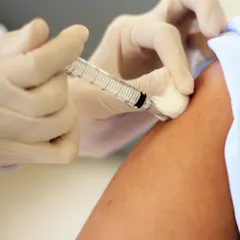
The recent vaccine trial results certainly look impressive, but here’s how to fully interrogate what they mean.
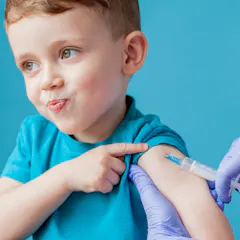
Any COVID-19 vaccine is likely to be given first to higher risk groups before it is given to children. But we still need vaccines that are safe and effective for them too.
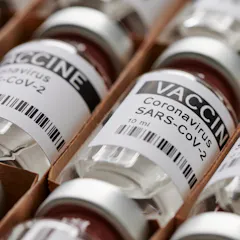
Experts from across The Conversation look at how COVID-19 vaccines will work, how they’re being tested and manufactured, and what challenges there will be to rolling them out.
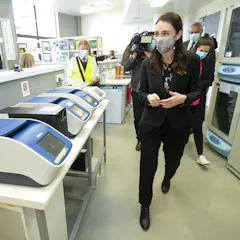
New Zealand has entered several international agreements to access COVID-19 vaccines, but it should also amend domestic patent law and regulatory processes to prevent delays and costly negotiations.
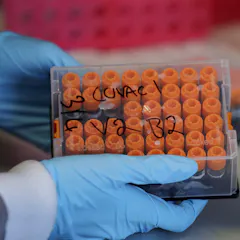
With lives depending on a vaccine, trust in Canada’s COVID-19 Vaccine Task Force is crucial. Members of the task force need to make any industry links or potential conflicts of interest publicly clear.
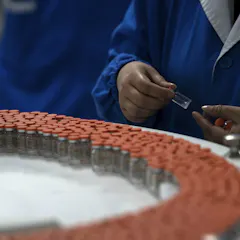
Our first exposure to a pathogen, either naturally or via vaccination, can affect how our immune system responds in the future to the same or similar pathogens.

Both Moderna and AstraZeneca have used cutting-edge designs to reduce their vaccines’ development time.
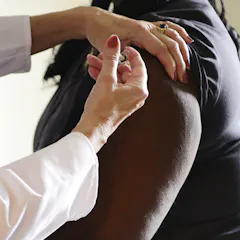
A group of 28 vaccine researchers said we might have a vaccine by late-2021, though it could take until well into 2022.
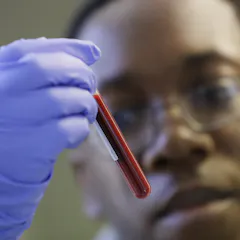
With $1 billion in advance purchase agreements for COVID-19 vaccines, Canada has joined the vaccine nationalists: rich countries buying up more than half the global short-term supply of vaccine.

Will a vaccine for COVID-19 be safe? Animal testing, human clinical trials and post-approval surveillance give us good grounds to believe that a future approved vaccine will work and be safe.
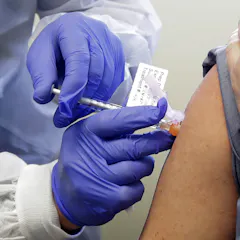
Our best shot at ending the pandemic is by achieving herd immunity through widespread use of a vaccine. But that won’t happen unless people believe it’s safe.
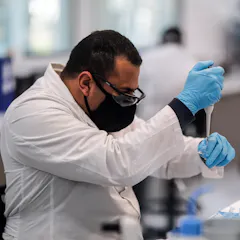
The COVID-19 vaccine is in the final stages of testing – meaning we should know whether it’s effective before the end of the year.
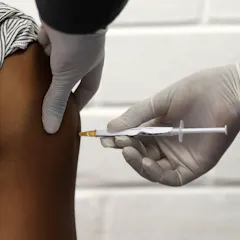
Church leaders have raised concerns over a COVID-19 vaccine produced using cells derived from aborted foetuses. But the Vatican has already ruled such vaccines ‘morally separate’ from the abortions.
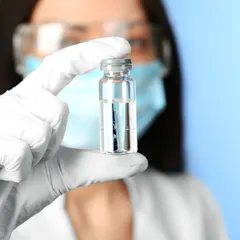
The vaccine hasn’t completed phase 3 trials, so we can’t be sure it will be safe and effective for all. The Australian government’s deal is contingent on these trials being successful.
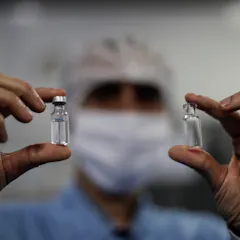
A two-dose coronavirus vaccine would mean we need to produce 12-15 billion doses. This is roughly twice the world’s current total vaccine manufacturing capacity.
Top contributors
-

Professor of Immunology and Associate Dean, Research and Graduate Studies, University of Guelph
-
Associate Professor of Viral Immunology, Department of Pathobiology, University of Guelph
-
Associate professor, Department of Family and Community Medicine, University of Toronto; York University, Canada; University of Sydney
-
Professor, School of Population Health, UNSW
-
Professor, Infectious Diseases and Microbiology, The University of Queensland
-
Vaccine Knowledge Project Manager, University of Oxford
-
Clinician-scientist, Laboratory Medicine and Pathobiology, University of Toronto
-
Associate Professor and ARC Future Fellow, The University of Western Australia
-
Vice-Chancellor's Research Fellow, School of Health and Biomedical Sciences, RMIT University
-
Professor of Immunology, RMIT University
-
Professor of Research Ethics, University of Portsmouth
-
Infectious Diseases Specialist and Clinical Professor, University of Tasmania
-
Ph.D. Student in Microbiology and Immunology, Vanderbilt Vaccine Center, Vanderbilt University
-
Senior Project Manager, Jenner Institute, University of Oxford
-
Ph.D. Candidate in Chemical & Physical Biology, Vanderbilt Vaccine Center, Vanderbilt University