

Following the deadly collapse of a condo high-rise in Florida, a historian of this kind of housing explains how it offers a sense of community that many people seek.
Articles on US history
Displaying 241 - 260 of 577 articles
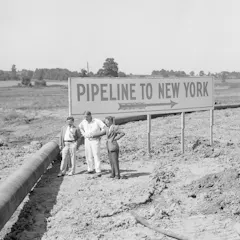
Proposals for new oil and gas pipelines can generate intense debate today, but during World War II the US built an oil pipeline more than 1,300 miles long in less than a year.
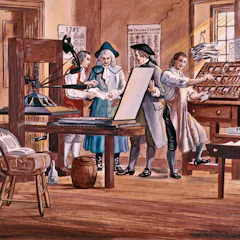
When Bostonians in 1721 faced a deadly smallpox outbreak, a new procedure called inoculation was found to help fend off the disease. Not everyone was won over, and newspapers fed the controversy.

A scholar of early US history celebrates the country’s birthday with six under-appreciated ideas about the founding document.

Ford’s electric F-150 pickup won’t roll off assembly lines until early 2022, but the company has received thousands of preorders already for a vehicle aimed at the mass market, not eco-buyers.

At once tender and horrific, The Underground Railroad’s use of visuals and sound beautifully portray the reality of slavery and its legacy in the US today.
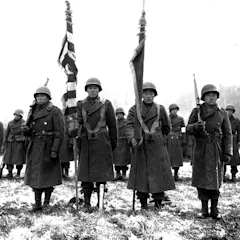
For AAPI History Month: Young Japanese American men who were incarcerated because they were presumed to be disloyal were considered loyal enough for compulsory military service.
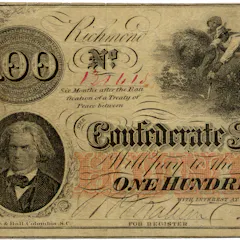
Confederate paper money was a promise to exchange the bill for gold or silver, but only after the Confederacy won the war.

The name change of a local creek in central Iowa reflects broader national trends that are recognizing derogatory or racist connotations.

Only one president has done so – Franklin Delano Roosevelt – but others considered it, and even tried.
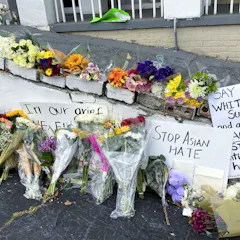
The story of the alleged Atlanta shooter highlights the two most common ways Americans think about compulsive behaviors – considering them the results of temptation and treating them as diseases.
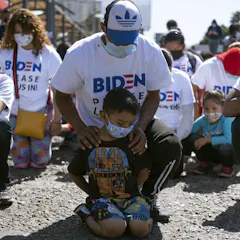
Research suggests that reminding Americans – Democrats and Republicans – of their family history creates empathy for immigrants and more favorable views toward immigration.
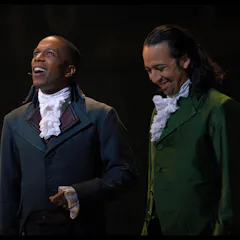
Even Colonial-era abolitionists like Alexander Hamilton enjoyed centuries of generational wealth built from slavery.
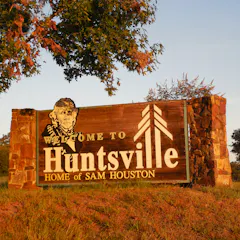
Texas’ most famous statesman, Sam Houston, was a slave owner who opposed the Confederacy. But white Texans tend to omit his dissent in current debates over removing Confederate markers.
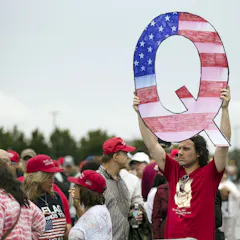
How many Americans really have lost touch with reality?

The New York Times’ 1619 project and Donald Trump’s 1776 Commission had very different interpretations of US history. Similarly, the Bible has more than one narrative.
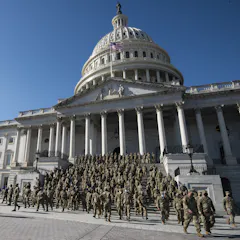
Some 5,000 National Guardsmen will stay in Washington to protect the Capitol into March, according to the Pentagon. The Guard is seen as a reliable peacekeeping force – but it wasn’t always that way.
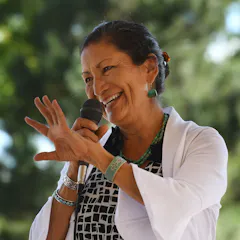
If confirmed, US Rep. Deb Haaland of New Mexico would be the first Native American to run the agency that interacts with tribal nations. But her agenda extends far beyond Indian Country.
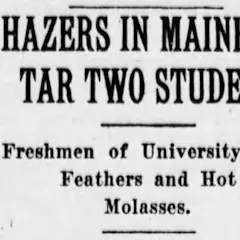
After spending years examining the violent Red Summer of 1919, historian Karen Sieber discovered a previously hidden incident on the campus where she now works.
The outgoing president has threatened US democracy. There must be consequences.
Top contributors
-

Professor of History, Penn State
-
Associate Professor of Instruction, The University of Texas at Austin
-
Distinguished Professor and Professor of the Humanities, USC Dornsife College of Letters, Arts and Sciences
-
Professor of Urban Policy and Planning, Hunter College
-
Visiting Assistant Professor of History, Miami University
-
Distinguished Professor of History and Environmental Studies, Penn State
-
Professor of Journalism, Indiana University
-
Professor of History and Provost Emeritus, Binghamton University, State University of New York
-
Emeritus Professor of Life Sciences, Arizona State University
-
Associate Professor of History, Deakin University
-
Professor of History, University of New Hampshire
-
Chester D. Tripp Professor of History, Yale University
-
William Nelson Cromwell Professor of Jurisprudence and Political Science, Amherst College
-
Professor of History, The Ohio State University
-
Professor of Earth Science, University of Connecticut