
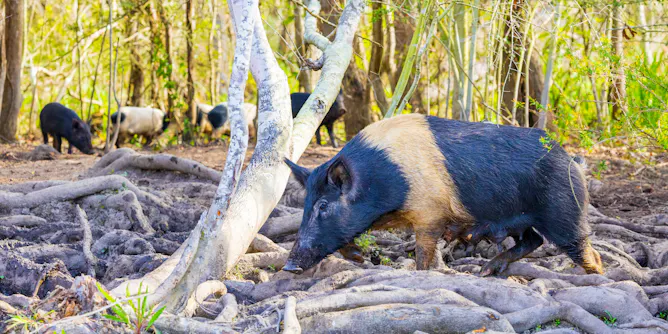
Teaming groups of private landowners with federal efforts yielded measurable success, at least in terms of defending cornfields.
Articles on US Department of Agriculture
Displaying all articles
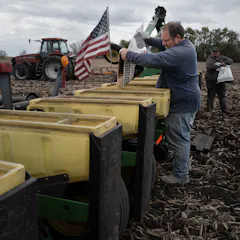
When huge companies assert their patents, smaller businesses and public plant breeders are dissuaded from conducting research that might not be illegal at all.
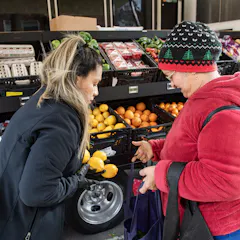
Farm bills – famously complex legislative and spending balances between farm subsidies, food assistance, conservation and more – have tended to be passed about every five years since 1933.

US officials have used a number of rhetorical strategies – ways of talking about something – to distance the country from, and avoid responsibility for, atrocities committed by those it supports.

Maintaining a good diet is not cheap or straightforward, especially on a low income.
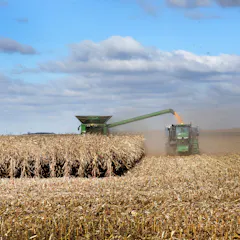
The USDA oversees food production and much more. However, it has little direct power to reduce food prices – a centerpiece of President Trump’s campaign.

The US Department of Agriculture has updated its plant hardiness zone map, which shows where various plants will grow across the country. Gardeners should take note.
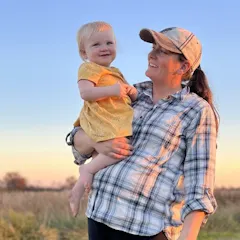
Access to affordable child care affects farm productivity, safety and ultimately the nation’s food supply. Farm families across the U.S. are struggling without it.
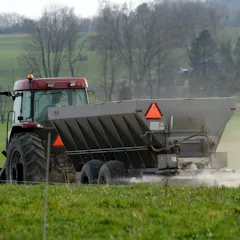
Farmers are contending with huge spikes in fertilizer prices. The Biden administration is paying US companies to boost synthetic fertilizer production, but there are other, more sustainable options.
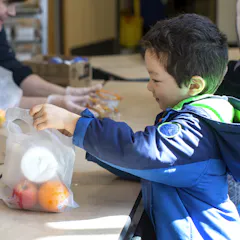
An expert on food policy explains how the end of COVID-19 waivers will impact children’s access to food, as well as the importance of food banks and pantries.
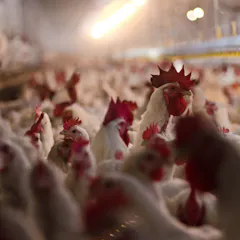
Bird flu is highly contagious in domestic flocks, and a major outbreak is underway in the US. A veterinary scientist explains what consumers need to know.
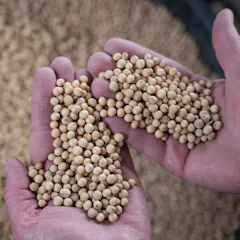
There’s a new label on many US food products – here’s what it means and who pushed to add it.
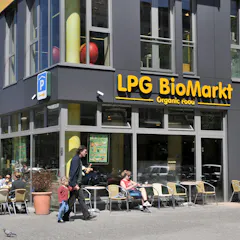
An expert on organic agriculture argues that the US is missing an economic and environmental opportunity by not working to scale up organic production.
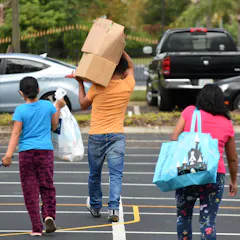
While the food insecurity rate held steady in 2020, the racial hunger gap increased.
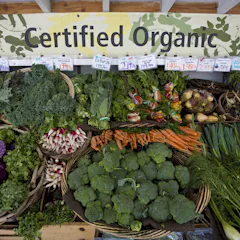
Four out of five Americans regularly buy some kind of organic food. An expert on the industry says more federal support could greatly expand organic farming and its environmental benefits.
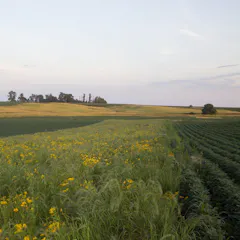
Farmers can help slow climate change by mixing native grasses into croplands, restoring wetlands and raising perennial crops. These strategies also conserve soil and water and build new markets.
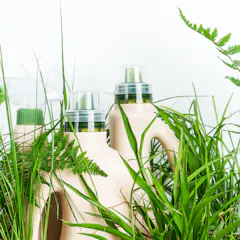
What does it mean to call a nonfood product like lipstick organic? Federal regulators allow such claims, but have set few standards defining them.
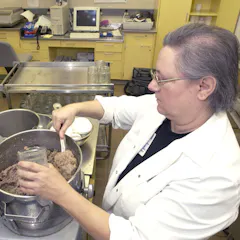
The Trump administration wants to streamline federal food safety efforts under one roof as part of a sweeping new plan to reorganize government.
Top contributors
-

Executive Director, Swette Center for Sustainable Food Systems, Arizona State University
-
Professor of Natural Resource Ecology and Management; Co-director of the Bioeconomy Institute; Director C-CHANGE, Iowa State University
-
Associate Research Scientist in Rural Sociology, Adjunct Faculty - National Farm Medicine Center, The Ohio State University
-
Deputy Director, Swette Center for Sustainable Food Systems, Arizona State University
-
Professor of Law and Associate Dean for International Affairs, Wake Forest University
-
Professor of Economics, Baylor University
-
Professor of Human Development and Family Sciences, University of Connecticut
-
Associate Professor of Veterinary Medicine, Iowa State University
-
Associate Professor of Rural Sociology, The Ohio State University
-
Associate Professor of Mycology and Plant Pathology, West Virginia University
-
Assistant Professor of Epidemiology, University of South Carolina
-
Assistant Professor of Community Health, Tufts University
-
Adjunct Instructor, American University School of International Service
-
Associate Professor, Department of Peace, Human Rights & Cultural Relations, American University School of International Service
-
Research Coordinator, Urban and Regional Food System Program, University of Wisconsin-Madison