
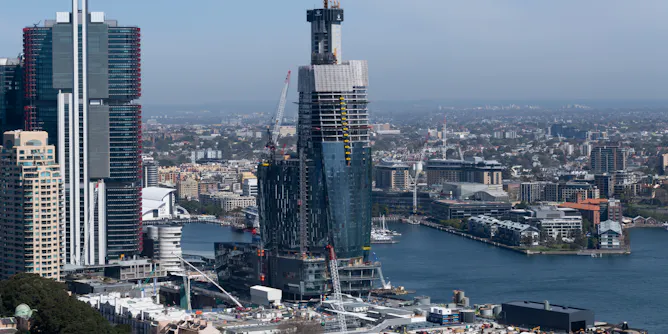
Overseas, city-shaping mega-projects are generally overseen by local government, but in Australia state governments often step in and exclude council and community representatives from the process.
Articles on Urban renewal
Displaying 21 - 40 of 62 articles

A major investment in renewing the urban centre of Dandenong is starting to pay dividends. But while research has found three keys to success, the benefits haven’t reached everyone.
It was once seen as a public menace – now, skateboarding is a global sport that empowers young people to improve their cities.
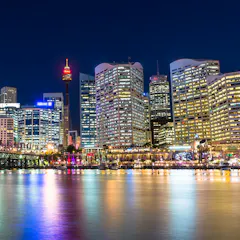
Cities around the world are redeveloping their waterfronts to be accessible and resilient to the effects of climate change. Here’s where Sydney’s Darling Harbour went wrong and what we can do better.
Canberra is growing as fast as anywhere in Australia. It’s driven by a knowledge economy that is transforming the city centre but is also displacing poorer residents.
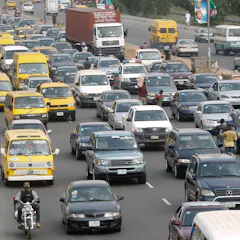
Old people in Nigeria’s cities can’t even rely on public transport.
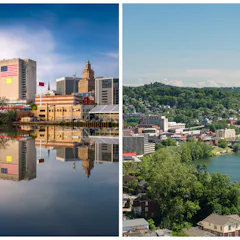
Universities teach students and produce research – but do they have responsibility to engage with the communities that surround them? Two university presidents explain why their answer is an emphatic yes.

Planning matters. The 2005 riots in France started in badly designed housing projects, while innovative planning helped Medellín, Colombia, shed its reputation as the most violent city in the world.

Crime is way down in one Flint, Michigan, neighborhood, where locals have teamed up to revamp neglected public spaces. Here, why ‘busy streets’ can prevent violence and save cities money.
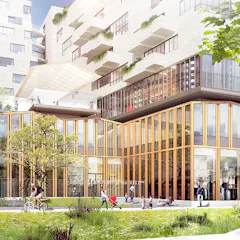
France is transforming old industrial wastelands in cities like Paris, Lyon and Nantes, so what are the secrets of its success?
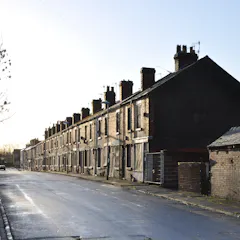
Only the national government can solve the housing crisis – but local authorities can make a big difference in their communities.

Many cities could learn from Dundee, which overcame industrial decline to become a UNESCO City of Design, with a shiny new cityscape to match

Residents of two high-rise public housing blocks are being given ‘mood lights’ to express how they feel based on their experience of the process of redeveloping their neighbourhood.
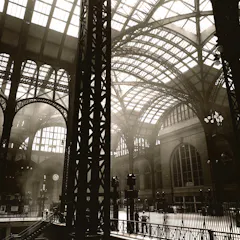
We asked five architecture experts to name one building or structure they wish had been preserved, but couldn’t resist the tides of decay, development and discrimination.

A new project documents who uses urban industrial lands slated for redevelopment. It reveals a vibrant but largely hidden sector at the interface between creative industries and small manufacturing.
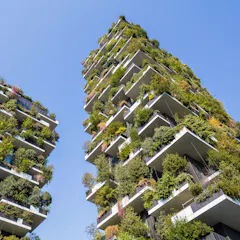
Such projects should be clear from the outset about who owns them, who will build them, and who they are for.
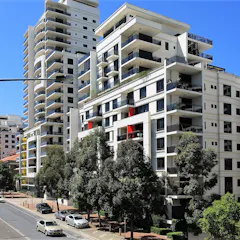
Many new housing developments are being built along busy roads and rail lines, but lack design features that would reduce occupants’ exposure to harmful traffic pollution.

Mixing public and private housing in urban renewal projects can be a contentious business. But public good and optimal use of public resources, not developer interests, should guide such decisions.

Luz, a once-elegant 19th-century neighbourhood in downtown São Paulo, is prime real estate. But redevelopment means clearing out a homeless encampment known as “Crackland”.
When wealth accumulation becomes the driver of urban regeneration, residents who already have little or no say in the future of our cities are further marginalised by gentrification.
Top contributors
-

Professor and Chair of History of Art, Vanderbilt University
-
Professor, Faculty of Design and Society, University of Technology Sydney
-
D'harawal Knowledge Keeper, PhD Candidate and Lecturer, School of Architecture, University of Technology Sydney
-
Professor of Sustainability, Curtin University
-
Assistant Professor, Acadia University
-
Associate Professor, International Studies and Global Societies, University of Technology Sydney
-
Honorary Senior Fellow in Urban Geography and Planning, The University of Melbourne
-
Assistant Professor of Planning and Urban Planning, Université Gustave Eiffel
-
Senior Lecturer in Planning, The University of Queensland
-
Head of Urbanism and Associate Professor of Urban Studies, School of Architecture, Design and Planning, University of Sydney
-
Director, Preservation Studies Program; Professor, History of Art & Architecture; Professor, American and New England Studies, Boston University
-
Research Assistant, Centre for Urban Research, RMIT University
-
Professor of Economics, Michigan State University
-
Professeur des universités, Université Paris 1 Panthéon-Sorbonne
-
Professor of Cultural Economy, Adelaide University