

Teaching young children is one of the most stressful occupations.
Articles on Urban
Displaying 21 - 40 of 108 articles
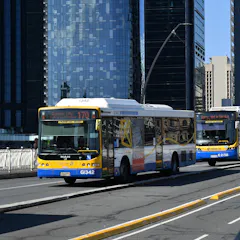
Neither lowering fares or simply increasing enforcement can solve fare evasion alone. Investing in better services and winning public trust are just as important.
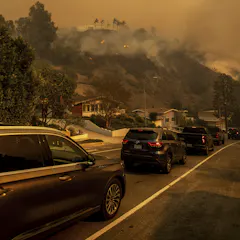
The chemicals emitted when buildings and vehicles burn can find their way into nearby homes. Studies show the health risks can stick around.
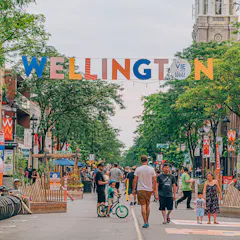
The media outlet ‘Time Out’ made a big splash when it announced that certain Canadian streets were ranked ‘coolest in the world.’ But are they really?

As summer temperatures rise, finding ways to build cities that don’t hold in the heat and can provide some cooling is increasingly important.
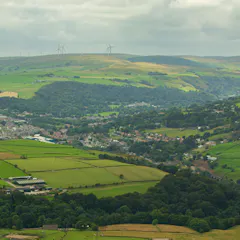
The simplicity of green belt policy means these protected countryside spaces have stood the test of time, but they haven’t adapted to changing needs or pressures.

The term stroad is portmanteau of street and road. Stroads try to be both a thoroughfare for vehicles, and a place for people. Typically they fail at both, and the result is unpleasant for everyone.

Urban bee hives in Canada face unique challenges and making our cities healthier for bees may just help them become better places for us all.

Too much pavement and old drainage systems are just two of the problems communities face.

For at least 50 years, pollsters have been asking Americans whether they think their country is on the right or wrong track. That question may have outlived its usefulness.

A new report on sustainable and affordable housing falls short by failing to fully consider land-and-housing market dynamics.

Canada’s cities must be planned around resident
health and well-being, our research reveals the key barriers to developing truly healthy cities.
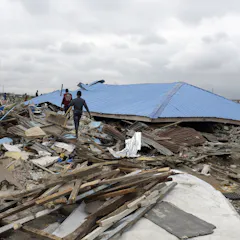
Resistance from the residents of informal settlements against housing evictions is not a new thing in Lagos, Nigeria.

Focusing on metrics that measure a city’s quality of life could be detrimental to its long-term sustainable development.
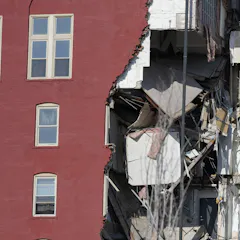
Too often, signs of trouble are ignored until a problem becomes a crisis. Here are some clear warning signs residents should watch for.

Neighbourhood features may have helped youth cope with the mental health impact of pandemic restrictions. Parks didn’t play much of a role but food amenities and the suburbs did.

AI could take us beyond the concept of smart cities, telling us how and why things happen in urban settings.
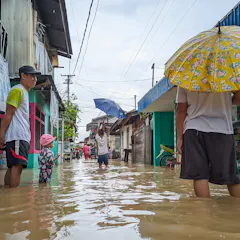
Urban development exacerbates urban water issues in the broader context of extreme weather changes.

The Welsh government wants to make residential roads safer and quieter but not everybody agrees with dropping the speed limit from 30mph to 20mph.
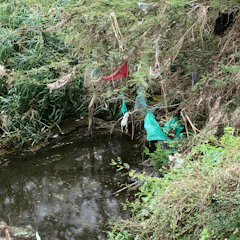
Rongai’s rapid development has happened without services keeping pace, and the rivers have paid the price.
Top contributors
-

Associate Professor of Environmental and Occupation Health, University of California, Irvine; University of Southern California
-
Professor, Environmental Studies Program at UC Santa Barbara
-
Professeur titulaire, Université du Québec à Montréal (UQAM)
-
University of Manchester
-
Associate Professor and Principal Fellow in Urban Risk and Resilience, The University of Melbourne
-
University of Manchester
-
Assistant Professor of Rural Sociology and Demography, Penn State
-
PhD Candidate in Urban Planning, Design and Policy | Urban welfare researcher, York University, Canada
-
Professeur agrégé, Université du Québec à Montréal (UQAM)
-
Research Officer, African Population and Health Research Center
-
Associate Professor of Civil Engineering, Boise State University; United Nations University
-
Lecturer, Management Discipline Group, University of Technology Sydney
-
Reader, Anglia Ruskin University
-
Director of the Institute for Water, Environment and Health (UNU-INWEH), United Nations University
-
Professor Spatial Transformation, Hanze University of Applied Sciences, Groningen