
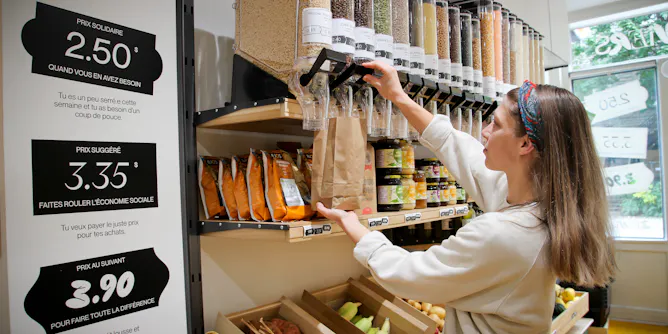
Public investment in food retail, distribution and wholesale infrastructure could add urgently needed diversity to Canada’s food landscape.
Articles on Unhealthy food
Displaying all articles

Children are considered lucrative consumers of food. They need protection against misleading health labels.
People in countries with the most chain grocery stores per person buy more unhealthy food and are more likely to be obese.

Children, busy parents and young people can be more easily swayed by unhealthy food ads. We found campaigns aimed at all of them.

Not knowing whether their children will eat the healthy food put on their plates, parents may prepare a less healthy dish for themselves to serve as backup for the kids too.

Hype around ultra-processed food may be causing unnecessary anxiety among people who already struggle with food or worry about their health.

Countries that have adopted clear food labels have seen the health benefits. Researchers explain how a new system to alert South African consumers to unhealthy choices was developed.
The increased availability and consumption of unhealthy food has contributed to poor health outcomes.

Nearly two-thirds of suburbs in one major part of Sydney have no food stores at all. And in those that do, unhealthy food outlets outnumber healthy ones by more than six to one.
B.C. recently began taxing sugary drinks. Examples from Europe show the scientific basis for taxing unhealthy foods may have little impact on whether these taxes are adopted or remain in place.
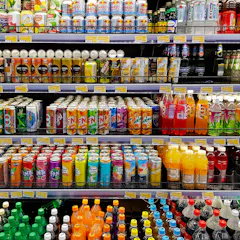
Tension between the government’s economic and public health priorities is preventing stronger fiscal measures to address nutrition-related noncommunicable diseases.
Top contributors
-

Researcher, University of the Western Cape
-
PhD Candidate, Deakin University, The University of Melbourne
-
Professor in Psychology, University of Liverpool
-
PhD Candidates, University of the Western Cape
-
Professor of Planning and Director of Urban Transformations Research Centre, Western Sydney University
-
Ben L. Fryrear Chair in Marketing and Associate Professor of Business Administration, University of Pittsburgh
-
Assistant Professor of Marketing, Indiana University
-
Professor of Law, The University of Melbourne
-
Research assistant, Western Sydney University, UNSW
-
Professor, University of the Western Cape
-
Associate Professor, Political Science, McMaster University
-
Postdoctoral fellow, Johns Hopkins University
-
Research Assistant, Political Science, McMaster University
-
Researcher in Law and Policy, SAMRC/Centre for Health Economics and Decision Science - PRICELESS SA, University of the Witwatersrand
-
Lecturer in Department of Human Nutrition and Dietetic, University of Limpopo